
Summary
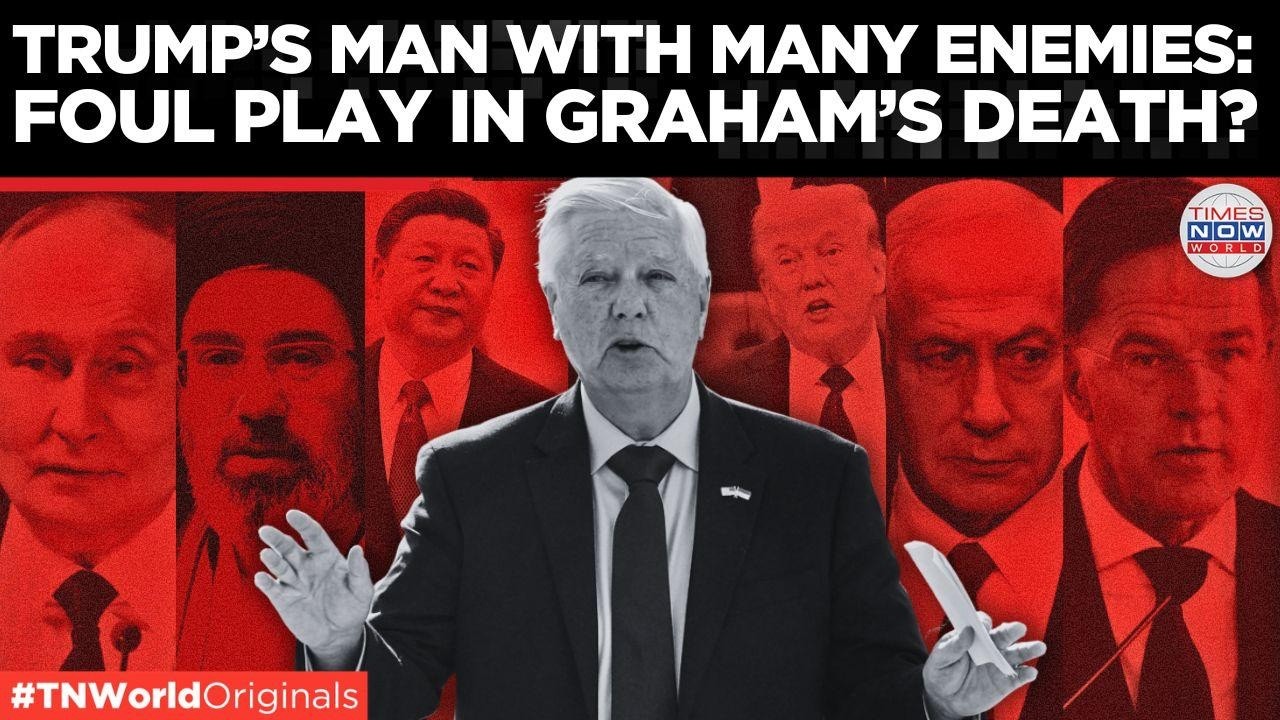
Sen. **Lindsey Graham**, a significant figure in the Republican Party and a close ally of **Donald Trump**, has died at the age of 71 after a 'brief and sudden illness.' His office confirmed that Graham passed away from an **aortic dissection** following a cardiac arrest at his Capitol Hill home. Tributes poured in from across the political spectrum, with Trump calling him a 'true American Patriot.' Graham's unexpected death raises questions about the future of his Senate seat and the impact on ongoing political dynamics in the GOP. Graham, who was a key voice on **defense and foreign policy**, had been seeking re-election for a fifth term. His sudden demise comes just hours after he reportedly felt fine, adding to the shock surrounding his passing. As flags flew at half-staff in his honor, the political community reflects on his legacy and the void left in the Senate.
Key Takeaways
- Sen. Lindsey Graham died at 71 from an aortic dissection.
- He was a prominent Republican voice on defense and foreign policy.
- Graham's death raises questions about the future of his Senate seat.
- Tributes from political figures highlight his influence and contributions.
- The implications of his passing could reshape GOP dynamics.
Balanced Perspective
From a neutral standpoint, Graham's death highlights the fragility of life and the unpredictability of political landscapes. The facts surrounding his passing indicate a sudden health crisis, with no prior indications of illness. His role as a senior senator and chair of the Senate Budget Committee underscores the significant responsibilities he held. The immediate reactions from political figures reflect a mix of respect and recognition of his contributions, while also pointing to the uncertainty regarding the future of his Senate seat and the implications for the upcoming elections. [[~Senate|U.S. Senate]] [[~elections|Elections]]
Optimistic View
The optimistic view sees Graham's legacy as a catalyst for renewed focus on bipartisan cooperation in defense and foreign policy. His commitment to strong national security policies could inspire a new generation of leaders to prioritize these issues. With his passing, there is potential for fresh voices to emerge within the GOP, possibly leading to innovative approaches to longstanding challenges in American politics. The party could harness this moment to unify and strengthen its platform, particularly in foreign relations, where Graham was a prominent advocate. [[~defense-policy|Defense Policy]] [[~GOP|Republican Party]]
Critical View
The pessimistic perspective raises concerns about the potential power vacuum left by Graham's death, particularly within the Republican Party. His absence could exacerbate divisions among party members, especially as they navigate the upcoming elections. The sudden nature of his passing may also lead to speculation about the health of other aging political figures, prompting fears about stability in leadership. Additionally, the loss of a seasoned voice in defense and foreign policy could hinder the party's ability to present a cohesive strategy in these critical areas. [[~political-divisions|Political Divisions]] [[~leadership|Leadership Issues]]
Source
Originally reported by NBC News