
Summary
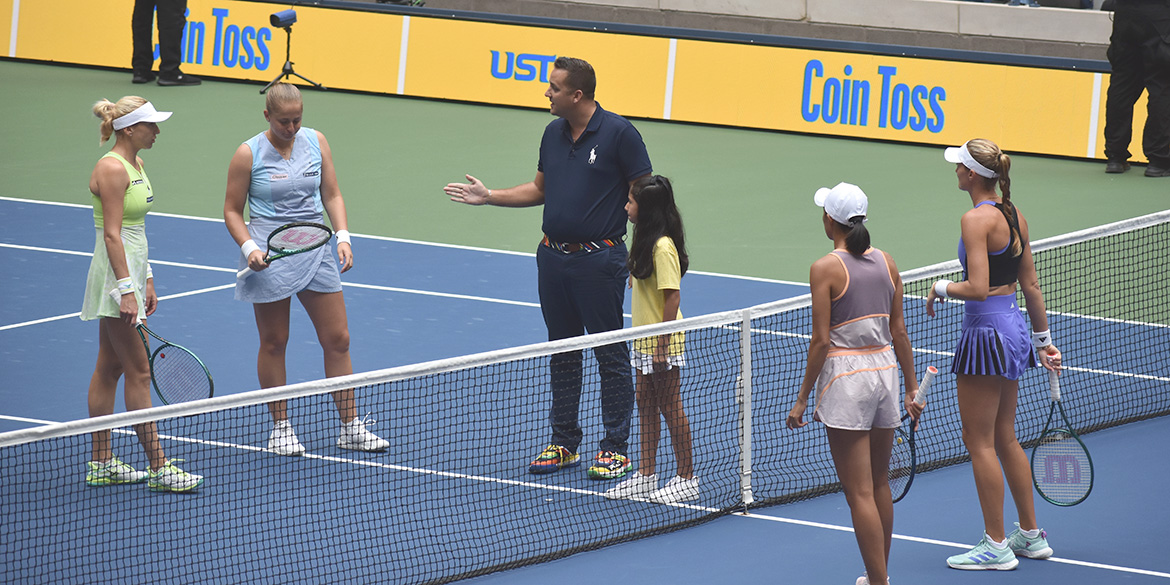
**Scotty Moore**'s journey from a high school tournament volunteer to chairing the 2022 US Open final is a case study in rapid career ascension within tennis officiating. Born in 1996, Moore began his career in **North Carolina** in 2013 after a service hour requirement led him to a local tournament. By 2022, he was entrusted with the most prestigious match in tennis, a feat achieved by only 50 **silver badge** holders globally. His story intersects with **USTA**'s grassroots development programs and the **Grand Slam** ecosystem, where electronic line calling has transformed the officiating landscape. [[usta-officials|USTA Officials]] programs now highlight his trajectory as a model for young officials. Moore's experience underscores the **tennis officiating** pipeline from local courts to the **Arthur Ashe Stadium**. [[grand-slams|Grand Slams]] now rely on officials like Moore to maintain integrity in high-stakes matches. [[tennis-officiating|Tennis Officiating]] has evolved from manual line calling to tech-driven systems, a shift Moore navigated as he climbed the ranks. [[usta-southern|USTA Southern]]'s volunteer networks played a critical role in his development, illustrating the **volunteer programs** that sustain elite sports infrastructure.
Key Takeaways
- Scotty Moore's career path from high school to US Open chairing exemplifies the USTA's officiating pipeline
- Only 50 silver badges exist globally, highlighting the exclusivity of elite tennis officiating
- Moore's 2013 start in North Carolina aligns with USTA Southern's volunteer networks
- Electronic line calling has transformed the officiating landscape, impacting the human element in pro matches
- The **volunteer programs** that launched Moore's career face funding challenges compared to professional sports leagues
Balanced Perspective
**Scotty Moore**'s career progression is a documented path through the USTA's officiating ranks, verified by his **silver badge** status and participation in all four **Grand Slams**. His 2013 start in **North Carolina** aligns with USTA Southern's volunteer networks, which have produced 50 **silver badge** holders globally. [[usta-southern|USTA Southern]]'s records confirm his 2022 US Open final chairing. However, the **tennis officiating** landscape has shifted from manual line calling to electronic systems, a change Moore adapted to. [[grand-slams|Grand Slams]] now rely on officials like him to maintain integrity, though the **volunteer programs** that launched his career remain underfunded compared to professional sports leagues.
Optimistic View
**Scotty Moore**'s meteoric rise exemplifies the potential of dedicated grassroots involvement. By 2022, he was chairing the US Open final — a milestone achieved by only 50 **silver badge** holders globally. His journey from a high school volunteer to a Grand Slam official highlights the **USTA**'s commitment to nurturing talent. [[usta-officials|USTA Officials]] programs now use his story to inspire young officials. Moore's success also reflects the **tennis officiating** pipeline's effectiveness, with electronic line calling systems now standard in pro matches. [[grand-slams|Grand Slams]] benefit from officials like Moore, who balance tradition with modern tech. His story is a testament to the **volunteer programs** that sustain elite sports infrastructure.
Critical View
**Scotty Moore**'s rapid ascent raises questions about the sustainability of the **tennis officiating** pipeline. With only 50 **silver badge** holders globally, the system may be too exclusive. [[usta-officials|USTA Officials]] programs have produced stars like Moore, but the **volunteer programs** that launched his career face funding challenges. [[grand-slams|Grand Slams]] now rely on officials like him to maintain integrity, yet the **tennis officiating** profession lacks the visibility of other sports' officiating roles. Moore's experience with electronic line calling highlights a growing isolation for officials, as the human element diminishes in pro matches.
Source
Originally reported by usta.com