
Summary
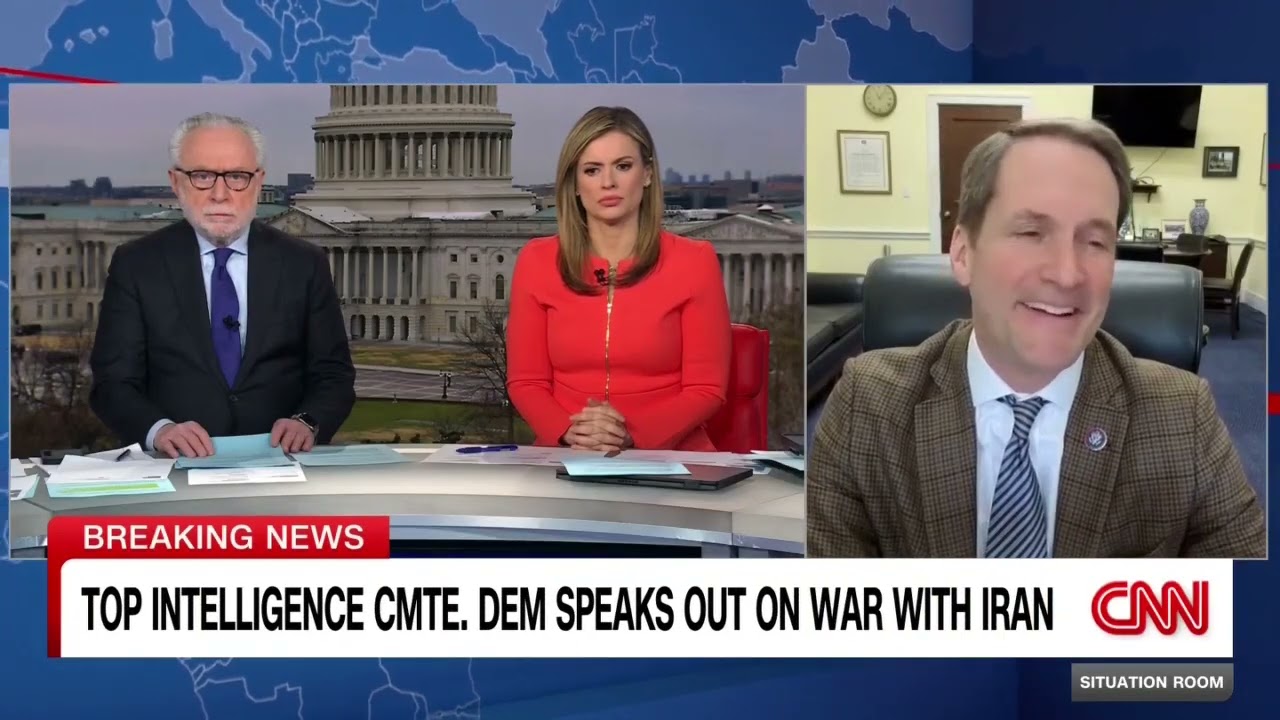
Rep. **Jim Himes**, the top Democrat on the **House Intelligence Committee**, has accused **President Trump** of "flat-out lying" about negotiating with **Iran**. This comes after Trump announced a deadline for Iran to reopen the **Strait of Hormuz** to international shipping, which was later delayed. **Iran's Foreign Ministry** has characterized Trump's move as an attempt to lower energy prices and buy time for military plans. The situation is further complicated by **Iran's parliament speaker** calling the recent meetings between **Egypt**, **Saudi Arabia**, and **Turkey** a "cover" for a potential US ground invasion. For more on the **Iran-US conflict**, see [[iran-us-conflict|Iran-US Conflict]]. The **US special envoy** has presented a 15-point plan for a possible peace deal, but direct negotiations between the US and Iran have not been confirmed. As the situation continues to unfold, it is essential to consider the perspectives of all parties involved, including **Iran**, the **US**, and other regional players like **Pakistan** and **Saudi Arabia**. The **international community** is watching closely, with many calling for a peaceful resolution to the conflict. See also: [[middle-east-geopolitics|Middle East Geopolitics]] and [[us-foreign-policy|US Foreign Policy]].
Key Takeaways
- Rep. Jim Himes has accused President Trump of lying about negotiating with Iran
- Iran's Foreign Ministry has characterized Trump's move as an attempt to lower energy prices and buy time for military plans
- The US special envoy has presented a 15-point plan for a possible peace deal
- The situation is complex and multifaceted, with both sides making contradictory statements
- A peaceful resolution is crucial to preventing a full-blown conflict
Balanced Perspective
The situation between the **US** and **Iran** is complex and multifaceted. While **Rep. Himes** has accused **President Trump** of lying about negotiations, **Iran's Foreign Ministry** has also made statements that could be seen as contradictory. The **US special envoy's 15-point plan** is a positive step, but it is unclear whether **Iran** will accept it. The **international community** is watching closely, and the outcome is far from certain. For more on **international-relations**, see [[international-relations|International Relations]]. It is essential to consider all perspectives and to approach the situation with a nuanced understanding of the complex issues at play. See also: [[us-foreign-policy|US Foreign Policy]] and [[iran-foreign-policy|Iran Foreign Policy]].
Optimistic View
Despite the current tensions, there is still hope for a peaceful resolution to the conflict. **Diplomatic efforts** by countries like **Egypt**, **Saudi Arabia**, and **Turkey** could help to facilitate direct talks between the **US** and **Iran**. The **US special envoy's 15-point plan** could provide a framework for negotiations, and the **international community** is pushing for a peaceful resolution. For more on **peace negotiations**, see [[peace-negotiations|Peace Negotiations]]. With careful diplomacy and a commitment to finding a peaceful solution, it is possible to resolve the conflict and improve relations between the **US** and **Iran**. See also: [[us-iran-relations|US-Iran Relations]] and [[middle-east-peace|Middle East Peace]].
Critical View
The current situation between the **US** and **Iran** is alarming and could escalate into a full-blown conflict. **President Trump's** claims of negotiating with **Iran** have been disputed, and **Iran's parliament speaker** has accused the **US** of planning a ground invasion. The **US special envoy's 15-point plan** may not be enough to prevent a conflict, and the **international community** may not be able to intervene effectively. For more on **conflict-escalation**, see [[conflict-escalation|Conflict Escalation]]. The situation is volatile, and the consequences of a conflict would be severe. See also: [[us-iran-conflict|US-Iran Conflict]] and [[middle-east-conflict|Middle East Conflict]].
Source
Originally reported by CBS News