
Summary
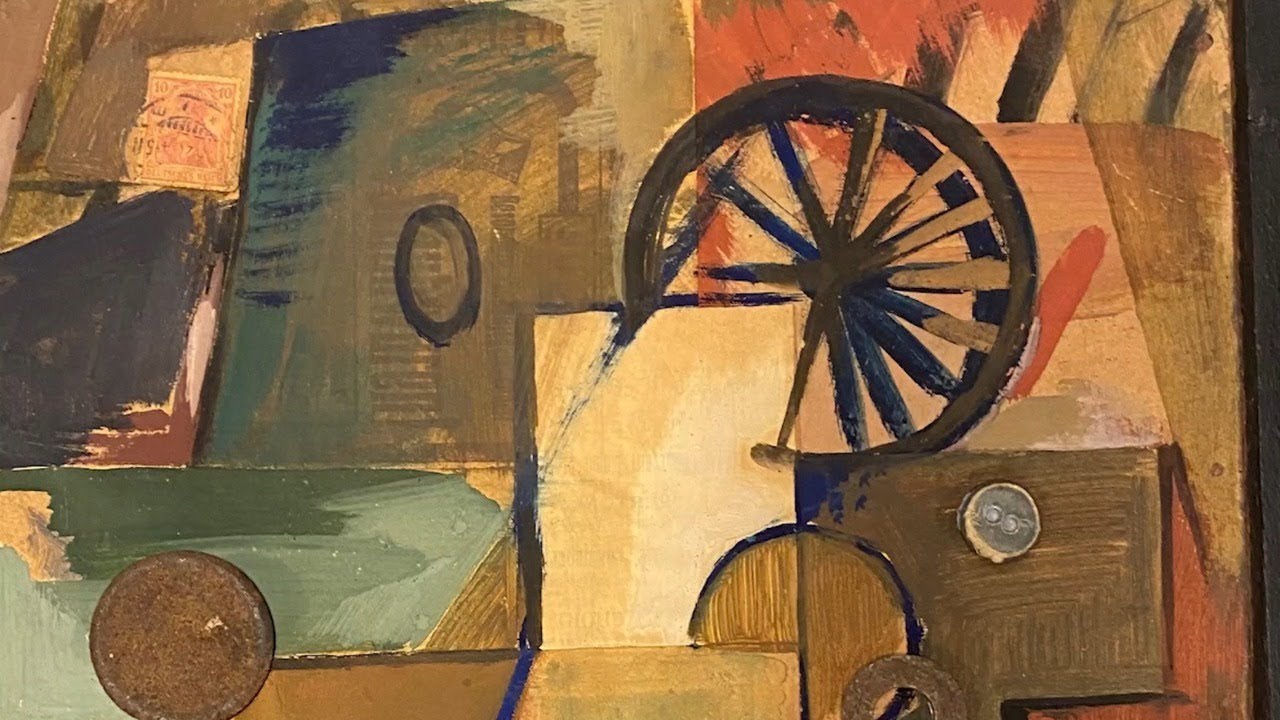
**Kurt Schwitters** (1880–1948) transformed art into a **dynamic exchange** of found materials, blending **Dada** chaos with **Constructivism** precision. His **Merz** works—collages, sculptures, and installations—became a **cultural battleground** where discarded objects were recontextualized as art. The article highlights Schwitters' **adaptive genius**, absorbing influences from **German Expressionism** to **American advertising**, creating a **fluid, ever-evolving practice**. [[dada-movement|Dada]] and [[constructivism|Constructivism]] debates rage over his legacy: was he a **radical innovator** or a **cultural appropriator**? [[merz-works|Merz]] remains a **touchstone** for artists grappling with **materiality** and **post-war identity**. [[kurt-schwitters|Schwitters]]'s **collage techniques** prefigured **digital remix culture**, making him a **proto-avant-garde** figure. [[art-history|Art history]] still debates whether his **war-torn aesthetics** were a **rejection of modernity** or a **reclamation of it**.
Key Takeaways
- Schwitters' Merz works redefined art as a dynamic exchange of materials
- His collage techniques prefigured digital remix culture
- Debates over cultural appropriation persist in Dada and Constructivism circles
- Schwitters' war-torn aesthetics reflect post-WWI disillusionment
- Merz's ephemeral nature challenges art's permanence
Balanced Perspective
**Kurt Schwitters**' **Merz** works (1919–1943) exemplify **Dada**'s anti-art ethos, using **found materials** to challenge traditional aesthetics. His **collage techniques** influenced **post-war abstraction** and **installation art**, though debates persist over his **cultural appropriation** of **American advertising** aesthetics. [[dada-movement|Dada]] and [[constructivism|Constructivism]] scholars note his **hybrid practice** bridged **German Expressionism** and **American modernism**, creating a **transnational art language**. [[merz-works|Merz]]'s **ephemeral nature**—often destroyed by the artist—raises questions about **art's permanence**. [[kurt-schwitters|Schwitters]]'s **war-torn aesthetics** reflect **post-WWI disillusionment**, but his **technical mastery** of **collage** remains undeniable.
Optimistic View
**Kurt Schwitters** redefined art as a **living dialogue** between materials and meaning, creating a **universal language** of collage that transcends borders. His **Merz** works, blending **Dada** absurdity with **Constructivist** rigor, offer a **blueprint for creative resilience** in fractured times. [[dada-movement|Dada]] and [[constructivism|Constructivism]] scholars argue his **adaptive strategies** prefigured **digital remix culture**, making him a **proto-avant-garde** visionary. [[merz-works|Merz]]'s **democratization of art**—using discarded objects as raw material—resonates in today's **upcycling** and **NFT** movements. [[kurt-schwitters|Schwitters]]'s **collage techniques** remain a **touchstone** for artists seeking to **recontextualize the mundane**.
Critical View
**Kurt Schwitters**' **Merz** works, while innovative, risked **cultural appropriation** by repurposing **American advertising** aesthetics without acknowledgment. His **collage techniques**—though groundbreaking—often **oversimplify** complex **post-war identities**. [[dada-movement|Dada]] critics argue his **hybrid practice** diluted **pure Dada** anti-art principles. [[constructivism|Constructivism]] scholars dismiss his **non-geometric forms** as **anti-technical**. [[merz-works|Merz]]'s **ephemeral nature**—destroyed by the artist—raises **ethical concerns** about **art's legacy**. [[kurt-schwitters|Schwitters]]'s **war-torn aesthetics** may romanticize **post-WWI trauma** rather than confronting it.
Source
Originally reported by artforum.com