
Summary
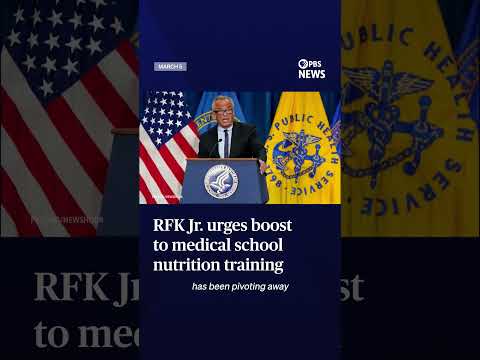
Fifty-three medical schools across 31 states have committed to enhancing their nutrition education curricula, a move influenced by the Trump administration's 'Make America Healthy Again' initiative. This development, announced in March 2026, reflects a growing recognition of the critical role nutrition plays in public health and preventative care. The initiative seeks to equip future doctors with better tools to address diet-related illnesses.
Key Takeaways
- 53 medical schools in 31 states will enhance nutrition education.
- The initiative is influenced by the Trump administration's 'Make America Healthy Again' movement.
- The goal is to better equip future doctors to address diet-related health issues.
- This move reflects a growing recognition of nutrition's role in preventative care.
- The actual impact will depend on the quality and implementation of the new curricula.
Balanced Perspective
The commitment from 53 medical schools to update their nutrition education curricula represents a notable shift in medical training priorities. While the influence of a political initiative is evident, the underlying goal of improving physician knowledge in dietetics aligns with long-standing calls from public health advocates. The practical impact will depend on the depth and quality of the new curricula, as well as the sustained commitment from these institutions to integrate this training effectively into clinical practice.
Optimistic View
This widespread adoption of improved nutrition training in medical schools is a significant step forward for public health. By integrating more comprehensive dietary education, future physicians will be better equipped to counsel patients on preventative care, potentially reducing the burden of chronic diseases like diabetes and heart disease. This initiative could lead to a more holistic approach to medicine, empowering individuals to take greater control over their health through informed dietary choices, and fostering a healthier national population.
Critical View
While the idea of more nutrition education sounds positive, the influence of a politically-driven initiative raises concerns about potential biases or oversimplifications in the curriculum. There's a risk that the focus might lean towards specific dietary ideologies rather than evidence-based, comprehensive nutritional science. Furthermore, without a standardized, rigorous approach, the quality of this enhanced training could vary widely across institutions, potentially leading to inconsistent or even misleading advice from future doctors. The long-term effectiveness also hinges on whether these changes are truly integrated or merely superficial additions.
Source
Originally reported by statnews.com