
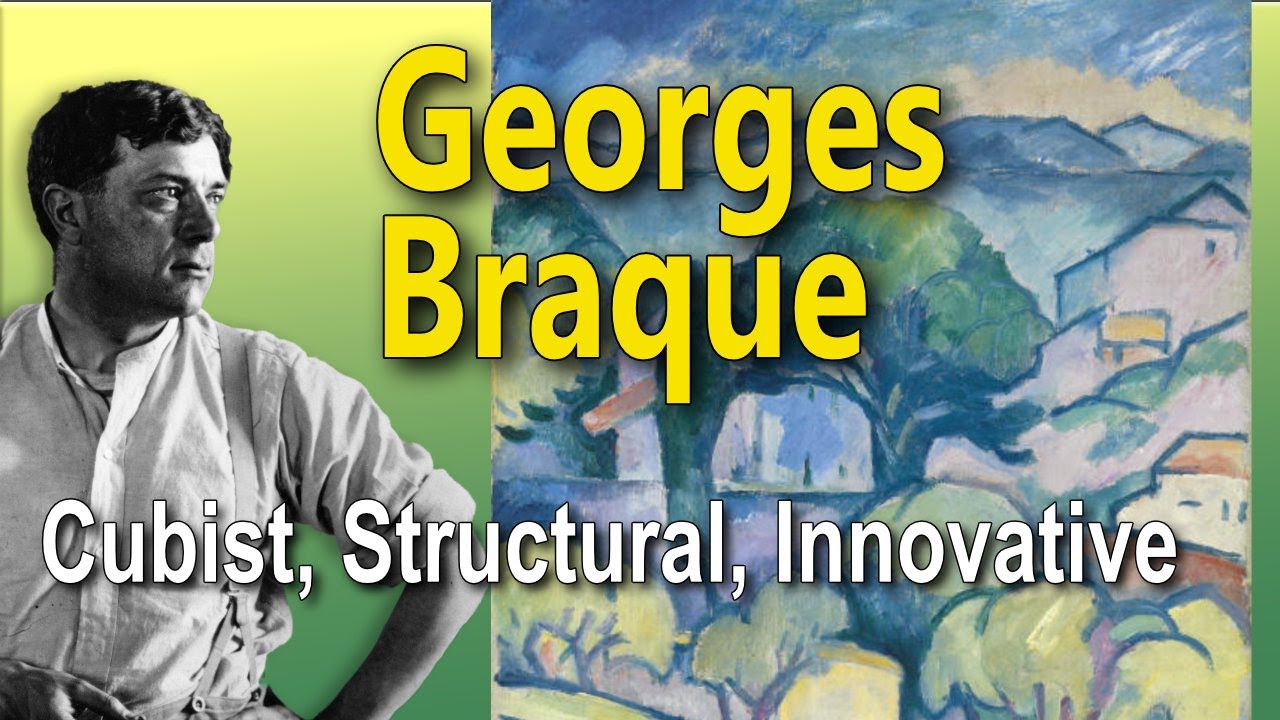
Summary
This MoMA feature explores the foundational works of Pablo Picasso and Georges Braque, emphasizing their collaborative journey in developing Cubism. The analysis delves into how their joint efforts led to a revolutionary artistic movement that challenged conventional representation and profoundly impacted 20th-century art.
Key Takeaways
- Picasso and Braque were the primary architects of Cubism.
- Their collaboration was crucial to the movement's development.
- Cubism revolutionized art by deconstructing traditional perspective.
- The movement profoundly influenced 20th-century art.
- MoMA's analysis highlights foundational works from this period.
Balanced Perspective
The development of Cubism by Pablo Picasso and Georges Braque involved a systematic deconstruction of traditional perspective and form, as evidenced in their analytical and synthetic phases. Their work, characterized by geometric shapes and multiple viewpoints, marked a significant departure from previous artistic conventions. This period of intense collaboration between 1907 and 1914 laid the groundwork for much of modern art, focusing on the representation of objects in a more conceptual rather than purely visual manner.
Optimistic View
The collaborative spirit between Picasso and Braque exemplifies how shared artistic vision can lead to groundbreaking innovation. Their mutual influence and competition pushed the boundaries of art, demonstrating the power of creative partnership. This deep dive into their work offers an inspiring look at how radical ideas can emerge from intense intellectual and artistic exchange, paving the way for countless future art movements.
Critical View
While celebrated as revolutionary, the initial reception of Cubism was often met with confusion and derision, highlighting the resistance to radical artistic change. The movement's intellectual demands and departure from recognizable forms alienated many viewers, suggesting a potential disconnect between avant-garde artists and the broader public. Furthermore, the intense focus on these two figures might overshadow contributions from other artists who were also experimenting with similar ideas, potentially narrowing the historical narrative of modernism.
Source
Originally reported by moma.org