
Summary
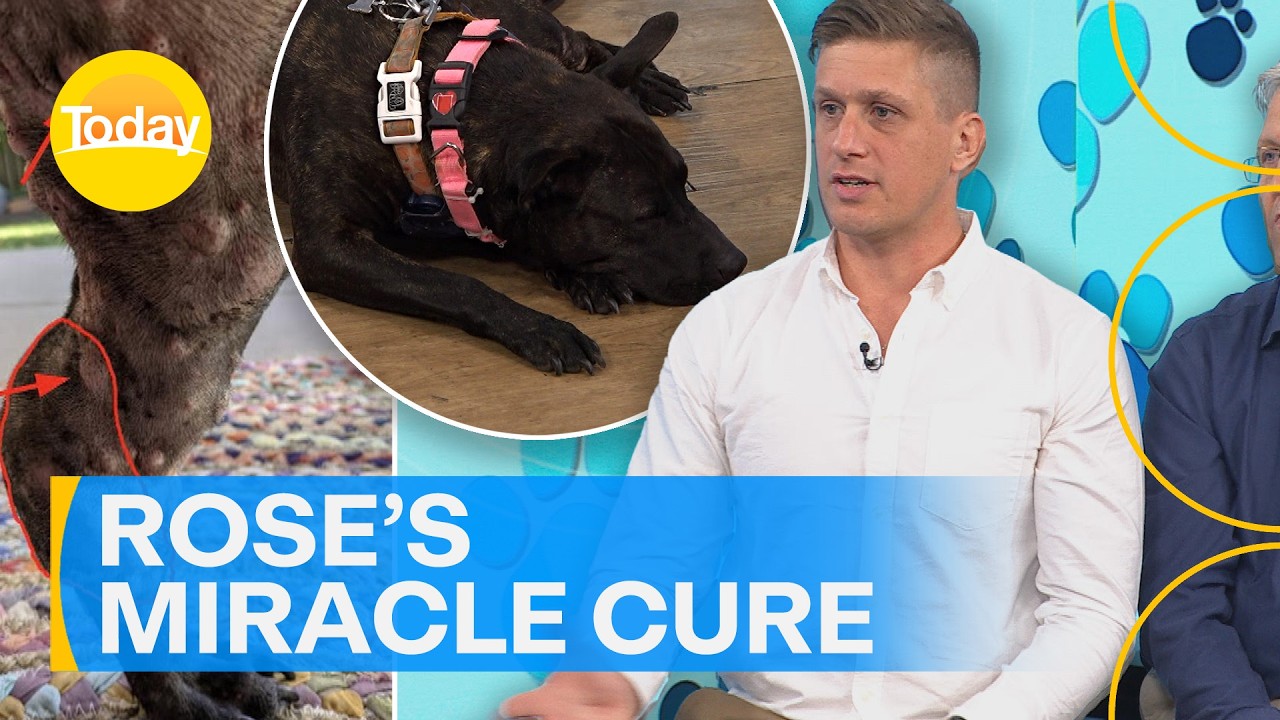
Paul Cunningham, a devoted pet owner, utilized ChatGPT to sequence his dog Rose's DNA and design a custom mRNA vaccine to treat her terminal cancer. This innovative approach has significantly extended Rose's lifespan, highlighting the potential of AI in veterinary medicine. The use of AI chatbots in pet care is a relatively new and rapidly evolving field, with potential applications in disease diagnosis, treatment, and prevention. As AI technology continues to advance, it may revolutionize the way we care for our pets, enabling more personalized and effective treatments.
Key Takeaways
- AI chatbots like ChatGPT can be used to sequence animal genomes and design custom vaccines.
- The application of AI in veterinary medicine is still in its early stages, and more research is needed to fully understand its potential benefits and limitations.
- The use of AI chatbots in pet care raises important questions about data privacy, ethics, and the role of human veterinarians in the treatment process.
- The development of AI-powered pet care solutions requires rigorous testing, validation, and oversight to ensure safety and efficacy.
- The potential of AI in veterinary medicine is significant, with possible applications in disease diagnosis, treatment, and prevention.
Balanced Perspective
While the use of ChatGPT in designing a custom vaccine for Rose's cancer is a notable achievement, it is essential to approach this development with a critical and nuanced perspective. The application of AI in veterinary medicine is still in its infancy, and more research is needed to fully understand its potential benefits and limitations. Additionally, the use of AI chatbots in pet care raises important questions about data privacy, ethics, and the role of human veterinarians in the treatment process. As the field continues to evolve, it is crucial to balance the excitement surrounding AI-powered pet care with a rigorous evaluation of its safety, efficacy, and feasibility.
Optimistic View
The successful use of ChatGPT in designing a custom vaccine for Rose's cancer is a beacon of hope for pet owners facing similar challenges. This breakthrough demonstrates the vast potential of AI in veterinary medicine, where it can help sequence genomes, identify genetic mutations, and develop targeted treatments. As AI technology improves, we can expect to see more innovative applications in pet care, leading to better health outcomes and stronger human-animal bonds. The prospect of AI-powered pet care is exciting, as it may enable us to detect diseases earlier, develop more effective treatments, and improve the overall quality of life for our pets.
Critical View
The reliance on AI chatbots in pet care raises concerns about the potential risks and unintended consequences of this approach. The use of ChatGPT to design a custom vaccine for Rose's cancer, while well-intentioned, may not be a viable or safe solution for all pets. The complexity of animal biology and the variability of individual responses to treatment make it challenging to develop effective AI-powered solutions. Furthermore, the lack of regulation and oversight in the use of AI chatbots in pet care may lead to unproven or ineffective treatments, potentially harming animals and undermining trust in the veterinary profession. As the field continues to develop, it is essential to prioritize rigorous testing, validation, and oversight to ensure that AI-powered pet care is safe, effective, and responsible.
Source
Originally reported by youtube.com