
Summary
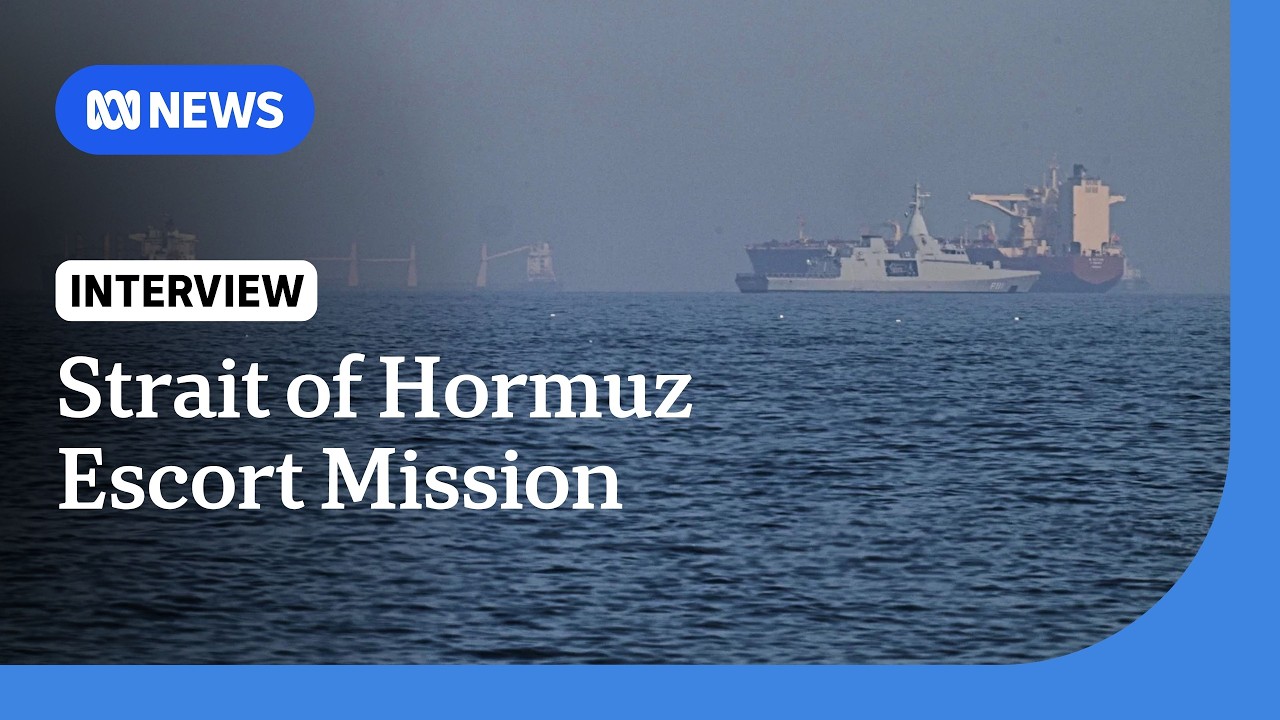
Commercial transits through the [[Strait of Hormuz|Strait of Hormuz]] have fallen to their lowest point since the commencement of [[Operation Epic Fury|Operation Epic Fury]], according to recent [[shipping data|shipping data]]. This sharp decline, reported by [[USNI News|USNI News]], underscores the escalating geopolitical tensions in the [[Persian Gulf|Persian Gulf]] region and their tangible impact on global trade routes. The reduction in vessel traffic suggests a heightened sense of caution among shipping companies, potentially driven by concerns over maritime security and the risk of conflict.
Key Takeaways
- Commercial shipping traffic in the Strait of Hormuz has hit a new low.
- This decline is directly linked to the ongoing geopolitical tensions and Operation Epic Fury.
- The Strait of Hormuz is a critical artery for global oil trade.
- Reduced transits signal increased risk perception among shipping operators.
- The situation has significant implications for global energy prices and supply chains.
Balanced Perspective
Shipping data from [[USNI News|USNI News]] indicates a quantifiable decrease in commercial transits through the Strait of Hormuz. The exact reasons for this decline are multifaceted, likely including a combination of increased regional military posturing, perceived threats to maritime safety, and potential insurance rate hikes for vessels traversing the area. The duration and ultimate impact of this trend remain to be seen, contingent on the evolving geopolitical landscape.
Optimistic View
This dip in transits, while seemingly negative, could be a temporary recalibration as shipping companies and regional powers work towards de-escalation. A renewed focus on diplomatic solutions and enhanced maritime security protocols could see traffic rebound, demonstrating the resilience of global commerce in the face of geopolitical challenges. The data might also reflect a strategic shift towards alternative routes or a temporary pause in less critical shipments, rather than a fundamental disruption.
Critical View
The lowest transit levels since [[Operation Epic Fury|Operation Epic Fury]]'s inception are a stark warning sign. This indicates that the perceived threat to commercial shipping in the Strait of Hormuz has reached a critical threshold, potentially paralyzing a vital artery of global energy and trade. If this trend continues, it could lead to significant supply chain disruptions, increased energy costs, and further economic instability, particularly for nations heavily reliant on maritime transport through this chokepoint.
Source
Originally reported by USNI News