
Summary
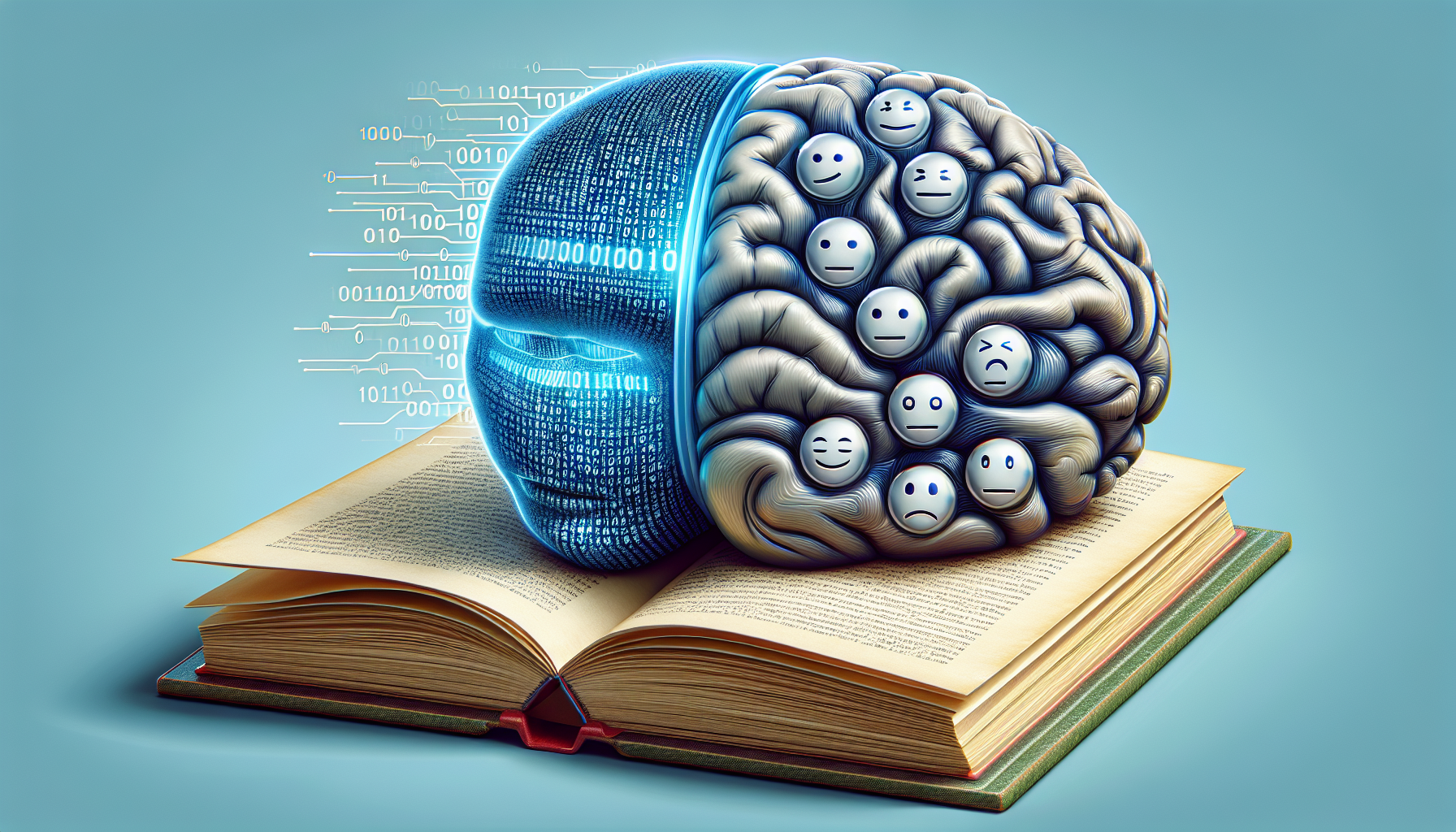
Recent research has found that ChatGPT, an AI language model, underperforms compared to human therapists in delivering text-based Cognitive Behavioral Therapy (CBT). The study highlights significant shortcomings in the AI's ability to convey empathy and establish a therapeutic alliance, which are crucial components of effective therapy. This raises important questions about the role of AI in mental health treatment and its limitations.
Key Takeaways
- ChatGPT has been found to underperform compared to human therapists in delivering text-based CBT.
- The study highlights the importance of empathy and therapeutic alliance in effective therapy.
- AI technology is evolving, and future developments may address current limitations.
- The integration of AI in therapy could increase accessibility to mental health resources.
- Concerns remain about the potential devaluation of human therapists and the quality of care.
Balanced Perspective
The research presents a factual comparison between ChatGPT and human therapists, indicating that while AI can assist in delivering CBT, it currently lacks the nuanced understanding and emotional connection that human therapists provide. The study's results are based on specific metrics of empathy and therapeutic alliance, which are essential for effective therapy. However, it is important to note that AI technology is continuously evolving, and future iterations may address these shortcomings.
Optimistic View
The findings may encourage further advancements in AI technology, pushing developers to enhance emotional intelligence in AI systems. By identifying the gaps in ChatGPT's performance, researchers can work towards creating more effective therapeutic tools that could complement human therapists. This could lead to increased accessibility to mental health resources, particularly in underserved areas where human therapists are scarce. Ultimately, the integration of AI in therapy could provide a hybrid model that combines the strengths of both AI and human therapists.
Critical View
The underperformance of ChatGPT in delivering CBT raises concerns about the reliance on AI in mental health treatment. The lack of empathy and therapeutic alliance could lead to inadequate support for individuals seeking help, potentially exacerbating their mental health issues. Furthermore, there is a risk that the integration of AI in therapy could devalue the role of human therapists, leading to a reduction in the quality of care. This reliance on technology could also create ethical dilemmas regarding accountability and the quality of mental health support.
Source
Originally reported by abct.org