
Summary
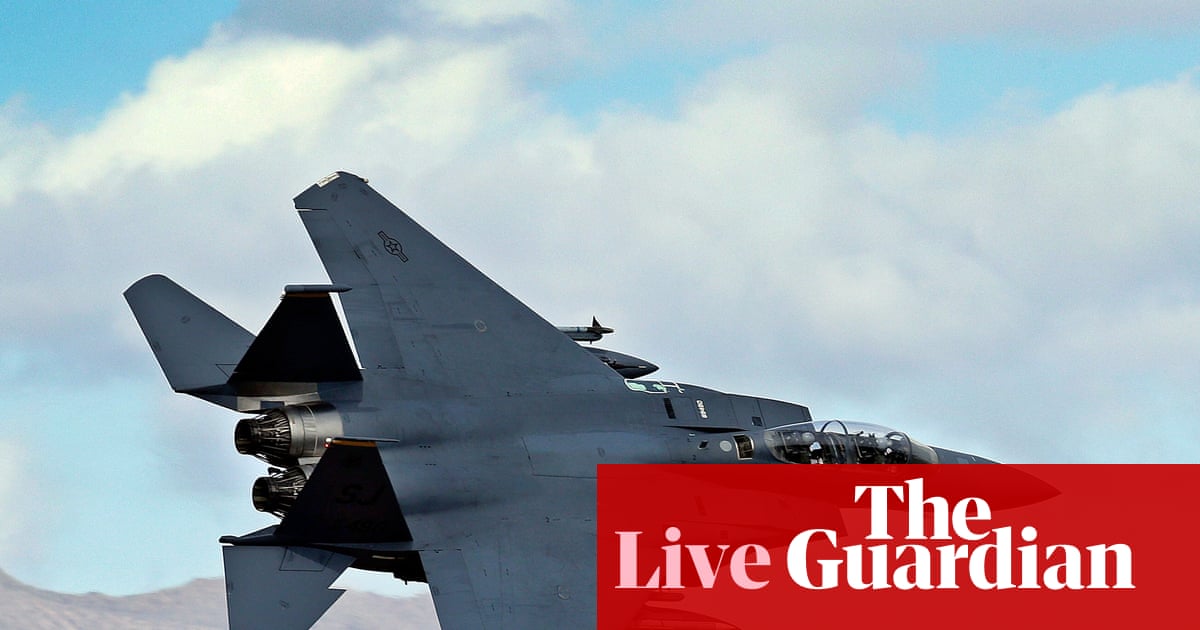
The Middle East crisis has taken a dramatic turn with **Israeli Prime Minister Benjamin Netanyahu** confirming an attack on an Iranian petrochemical plant. This development comes amidst heightened tensions between **Iran** and the **United States**, with **US President Donald Trump** threatening to destroy Iran's vital infrastructure if it does not comply with US demands. The situation is further complicated by the downing of a **US jet** and the disappearance of its pilot. As the crisis deepens, the international community is on high alert, with many fearing the outbreak of a full-scale war. [[middle-east-crisis|Middle East Crisis]], [[iran-us-relations|Iran-US Relations]], and [[israeli-palestinian-conflict|Israeli-Palestinian Conflict]] are all critical aspects of this escalating situation. The role of **Iran's central military command** in rejecting Trump's threats and the implications of this rejection on regional stability are also under scrutiny.
Key Takeaways
- The attack on the petrochemical plant is a significant escalation of the conflict
- The situation in the Middle East is highly complex and unpredictable
- The international community should urge all parties involved to engage in diplomatic efforts to resolve the conflict
- The European Union and other neutral parties could play a crucial role in facilitating negotiations
- The United Nations should take a more proactive role in promoting peace and stability in the region
Balanced Perspective
The current situation in the Middle East is highly complex and unpredictable. While the attack on the petrochemical plant is a significant escalation, it is also a symptom of a deeper conflict that involves multiple parties and interests. **Iran's nuclear program**, **Israel's security concerns**, and **US strategic interests** in the region are all interconnected factors that need to be considered. A comprehensive solution will require a nuanced understanding of these factors and a willingness to engage in diplomatic efforts. [[iran-nuclear-program|Iran Nuclear Program]], [[israel-security-concerns|Israel Security Concerns]], and [[us-strategic-interests|US Strategic Interests]] are all essential components of this analysis.
Optimistic View
Despite the current escalation, there is still a chance for a diplomatic resolution to the crisis. **International pressure** on all parties involved could help to de-escalate tensions and pave the way for negotiations. The **European Union**, in particular, has been working to establish a dialogue between the US and Iran, and their efforts could yet bear fruit. Furthermore, the fact that **Israel** has confirmed the attack on the petrochemical plant suggests that they may be open to discussing the terms of a ceasefire. [[european-union|European Union]], [[us-iran-negotiations|US-Iran Negotiations]], and [[israeli-defence-forces|Israeli Defence Forces]] are all critical players in this scenario.
Critical View
The attack on the petrochemical plant marks a dangerous escalation of the conflict, and the prospects for a peaceful resolution seem remote. **Iran's response** to the attack is likely to be severe, and the situation could quickly spiral out of control. The **US** and **Israel** may be preparing for a full-scale war, which would have catastrophic consequences for the region and the world. The international community seems powerless to stop the escalation, and the **United Nations** is struggling to assert its authority. [[iran-response|Iran Response]], [[us-israel-war|US-Israel War]], and [[united-nations|United Nations]] are all critical factors in this dire scenario.
Source
Originally reported by The Guardian