
Summary
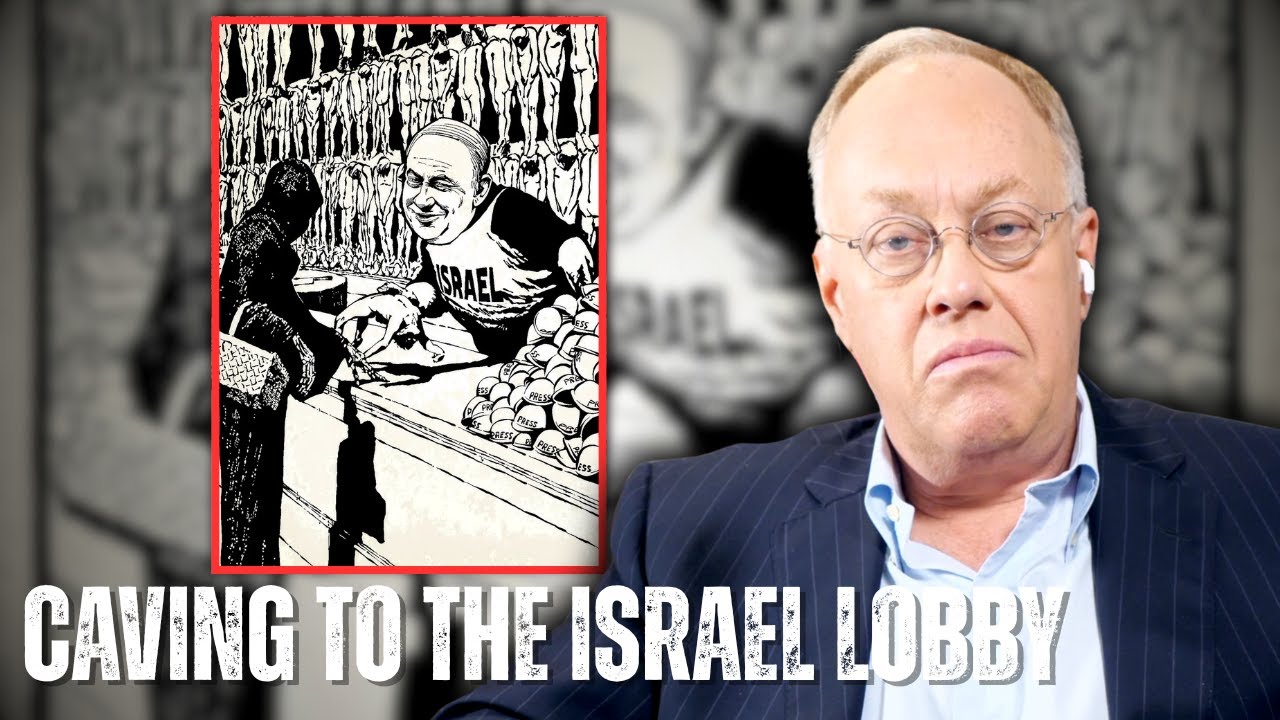
The National Press Clubs of Australia and the US have both declined to host journalist **Chris Hedges**, citing the need for balance in their programming. Hedges' speech, titled **The Betrayal of Palestinian Journalists**, aimed to expose the amplification of Israeli lies in the press and the targeting of Palestinian journalists. The decision has sparked controversy, with Hedges accusing the press clubs of abandoning their mission to hold power accountable. This incident is linked to broader issues of [[free-speech|free speech]] and [[journalistic-integrity|journalistic integrity]], as well as the ongoing [[israel-palestine-conflict|Israel-Palestine conflict]]. The role of **corporate sponsors** and **wealthy donors** in influencing press club decisions is also under scrutiny. For more context, see [[chris-hedges|Chris Hedges]] and [[national-press-club|National Press Club]].
Key Takeaways
- The National Press Clubs of Australia and the US have rejected Chris Hedges' speech
- The decision has sparked controversy and debate on free speech and journalistic integrity
- The incident highlights the influence of money and power on the media landscape
- Journalists and press clubs must re-examine their commitment to truth-telling and accountability
- The need for independent media and protection of free speech is crucial
Balanced Perspective
The decision to reject Chris Hedges' speech is a complex issue, with both the National Press Clubs of Australia and the US citing the need for **balance** in their programming. While Hedges' speech may have been controversial, the press clubs have a responsibility to provide a platform for diverse perspectives. The incident raises questions about the role of **corporate sponsors** and **wealthy donors** in shaping the media landscape. For a deeper understanding, explore [[media-landscape|media landscape]] and [[corporate-influence|corporate influence]].
Optimistic View
The rejection of Chris Hedges' speech is a wake-up call for journalists and press clubs to re-examine their commitment to **truth-telling** and **accountability**. It highlights the importance of **independent media** and the need for journalists to stand up against **censorship** and **intimidation**. By speaking out against the decision, Hedges is inspiring a new generation of journalists to prioritize **journalistic integrity** and **free speech**. See [[independent-media|independent media]] and [[censorship|censorship]] for more information.
Critical View
The rejection of Chris Hedges' speech is a disturbing trend of **censorship** and **intimidation** in the media landscape. It suggests that press clubs are more interested in pleasing **corporate sponsors** and **wealthy donors** than in upholding their mission to hold power accountable. The decision has serious implications for **free speech** and **journalistic integrity**, and raises questions about the ability of journalists to report truthfully on sensitive topics like the **Israel-Palestine conflict**. See [[censorship|censorship]] and [[israel-palestine-conflict|Israel-Palestine conflict]] for more context.
Source
Originally reported by corporatecrimereporter.com