
Summary
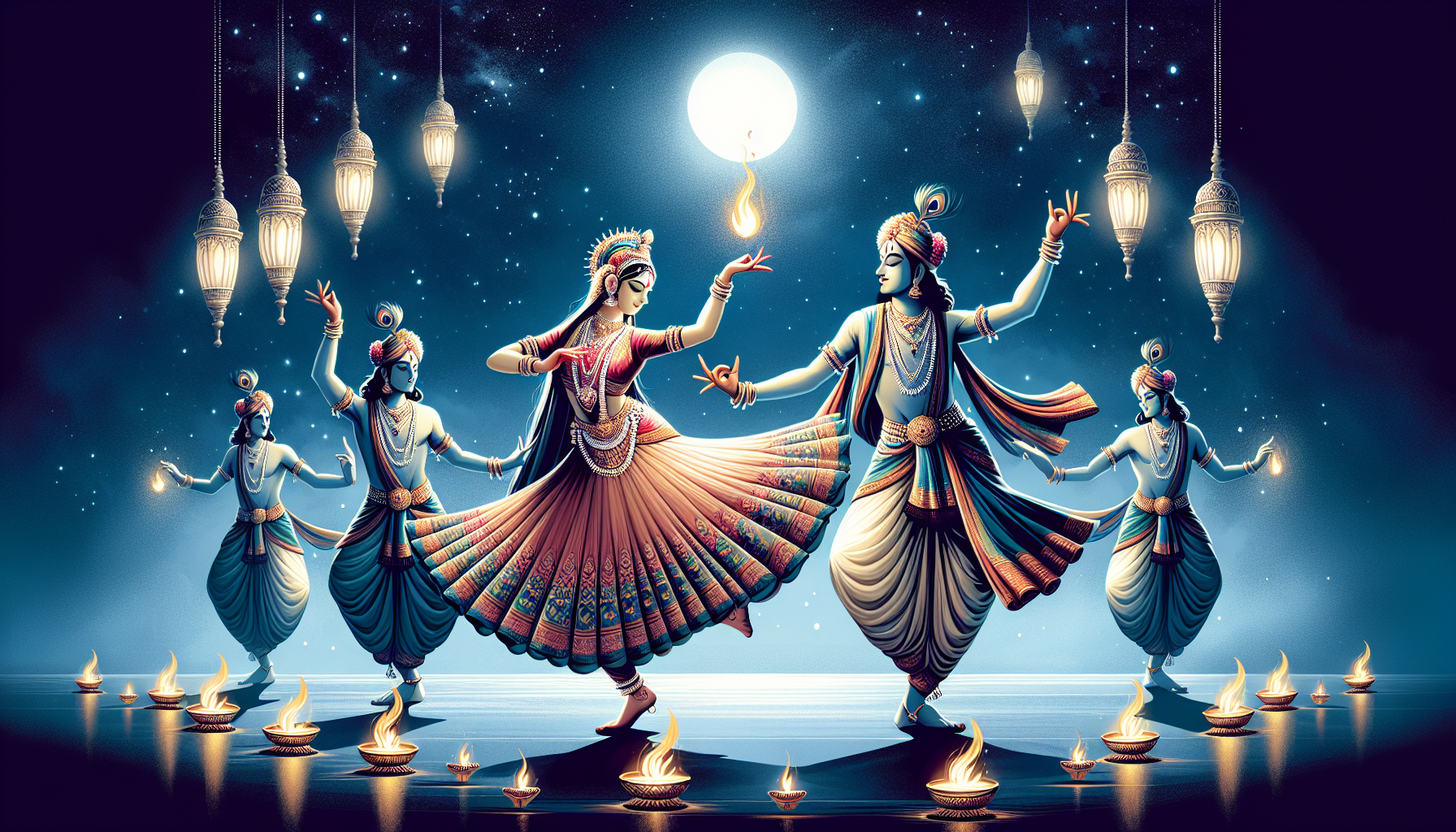
The Manipuri Raas Leela is a classical Indian dance form from Manipur depicting the divine love dance of Lord Krishna, Radha, and the Gopis of Vrindavan. Originating in the 18th century under King Rajarshi Bhagyachandra, it features five main types like Maha Raas and Vasanta Raas, performed during specific full moon nights with intricate costumes and soft, spiritual movements. Rooted in Vaishnavism and the Natya Shastra, it survived colonial suppression and gained national prominence through Rabindranath Tagore's revival efforts.
Key Takeaways
- Raas Leela portrays Krishna's flute-summoned dance with Radha and Gopis, symbolizing divine love.
- King Rajarshi Bhagyachandra formalized it in 1779, creating the iconic Kumil skirt costume.
- Five types exist: Maha Raas (November full moon), Vasanta Raas (March-April), and others performed daytime or nightly.
- Revived by Rabindranath Tagore in 1919 at Shantiniketan after British colonial suppression.
- Accompanied by sankirtan music with pung drums and kartals, rooted in Natya Shastra and Vaishnavism.
Balanced Perspective
Raas Leela emerged in 1779 under King Bhagyachandra, blending Meitei folk elements with Vaishnava themes from the Natya Shastra, performed in temples with specific types tied to lunar cycles. Historical records confirm its golden age in the 18th century, colonial-era suppression, and 20th-century revival via Shantiniketan. While spiritually significant, its practice remains largely temple-based, with documented variations in regional styles but consistent core narratives of Krishna's divine play.
Optimistic View
Raas Leela exemplifies cultural resilience, preserving Manipur's unique Vaishnava traditions amid modern challenges and inspiring global audiences with its ethereal beauty. Its revival by figures like Tagore ensures this gentle, devotional art form continues to unite communities in spiritual joy during full moon festivals. As one of India's eight classical dances, it promises to enchant future generations, fostering pride in indigenous heritage and cross-cultural appreciation.
Critical View
Despite its beauty, Raas Leela faces risks from Manipur's ongoing ethnic conflicts and modernization, potentially limiting public performances to temples and eroding oral traditions. Colonial ridicule once stigmatized it as outdated, and today's globalization might dilute its authentic Meitei essence through commercialization. Overlooked is the challenge of sustaining intricate costume craftsmanship and guru lineages amid youth disinterest in classical forms.
Source
Originally reported by indiatodayne.in