
Summary
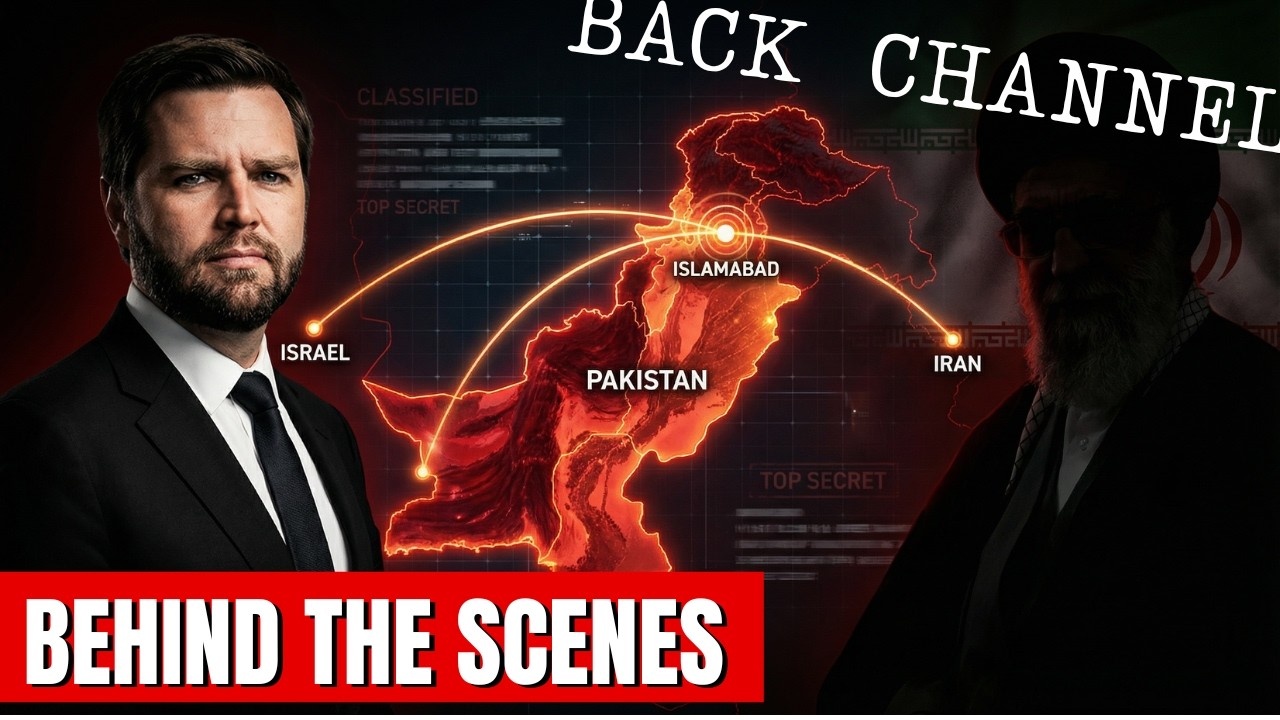
The diplomatic efforts are part of a broader attempt to deescalate the conflict in the region, which has been marked by increased tensions between [[iran|Iran]] and [[israel|Israel]]. The U.S. has been actively involved in the process, with President Trump warning Iran to comply with ceasefire terms or face large-scale attacks. The situation remains volatile, with [[hezbollah|Hezbollah]] showing no signs of decreasing its attacks. The international community is watching the developments closely, with many countries, including [[france|France]] and [[south-korea|South Korea]], having significant interests in the region.
Key Takeaways
- The U.S., Iran, and Pakistan are engaged in direct peace talks to deescalate tensions in the Middle East
- The U.S. has begun mine-clearing operations in the Strait of Hormuz
- The reopening of the Strait of Hormuz could have a positive impact on international trade
- The conflict between Iran and Israel remains a significant concern
- The international community is watching the developments closely
Balanced Perspective
The situation in the Middle East remains complex, with multiple parties involved and various interests at play. The direct peace talks between the U.S., Iran, and Pakistan are a positive development, but it is unclear what concrete agreements will be reached. The U.S. has begun mine-clearing operations in the Strait of Hormuz, which could help to reduce tensions, but the region remains volatile. [[iran|Iran]]'s relations with [[israel|Israel]] and its proxy Hezbollah in Lebanon are a significant concern, and it is unclear how these issues will be addressed. The international community is watching the developments closely, with many countries having significant interests in the region.
Optimistic View
The direct peace talks between the U.S., Iran, and Pakistan represent a significant breakthrough in diplomatic efforts to deescalate tensions in the Middle East. The involvement of high-level officials, including Vice President JD Vance and Jared Kushner, demonstrates a commitment to finding a peaceful resolution. The reopening of the Strait of Hormuz, a critical waterway for international trade, could have a positive impact on the global economy. [[trump|President Trump]]'s statement that the U.S. has destroyed Iran's military could be seen as a sign of strength, potentially leading to a more stable region.
Critical View
The diplomatic efforts to deescalate tensions in the Middle East are unlikely to succeed, given the deep-seated conflicts and interests involved. The U.S. has a history of intervening in the region, often with unintended consequences, and its involvement in the current conflict is likely to exacerbate the situation. The reopening of the Strait of Hormuz may not have a significant impact on the global economy, and the region remains vulnerable to further instability. [[hezbollah|Hezbollah]]'s continued attacks on Israel and the lack of progress in addressing the underlying issues suggest that a peaceful resolution is unlikely in the near term.
Source
Originally reported by CBS News