
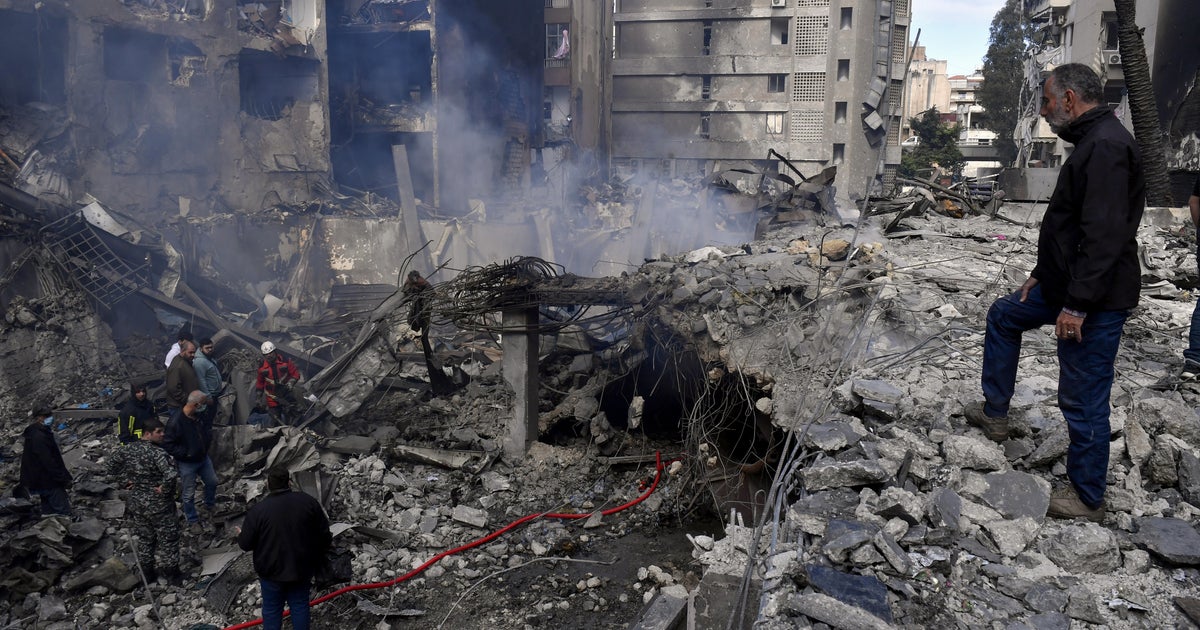
Summary
The talks between **Israel** and **Lebanon** are seen as a crucial step towards resolving the conflict, which has been exacerbated by **Iran**'s involvement in the region. The **U.S.** has been working to broker a peace deal, but the situation remains volatile, with **Hezbollah**'s presence in **Lebanon** a major point of contention. The **U.S.** has imposed sanctions on **Hezbollah**, which has been designated as a terrorist organization by the **U.S.** and other countries. For more information on **Hezbollah**, see [[hezbollah|Hezbollah]].
Key Takeaways
- The U.S. is set to host talks between Israel and Lebanon
- Iran's supreme leader has stated that Iran did not seek war with the U.S. and Israel
- The Strait of Hormuz has seen significantly reduced traffic since the war began
- The situation in the region remains complex and volatile
- The U.S. has a significant stake in the region, with its interests in oil and natural gas production, as well as its commitment to Israel's security
Balanced Perspective
The situation in the region remains complex and volatile, with multiple parties involved and competing interests at play. While the **U.S.**-hosted talks between **Israel** and **Lebanon** are a positive development, it is unclear whether they will lead to a lasting peace. **Iran**'s involvement in the region and its support for **Hezbollah** are major factors that could impact the outcome of the talks. The **U.S.** has a significant stake in the region, with its interests in **oil** and **natural gas** production, as well as its commitment to **Israel**'s security. For more information on the **U.S.**'s role in the region, see [[us-middle-east-policy|U.S. Middle East Policy]].
Optimistic View
The U.S.-hosted talks between **Israel** and **Lebanon** offer a glimmer of hope for a peaceful resolution to the conflict. With **Iran**'s ceasefire holding, there is a chance for the region to stabilize and for economic activity to resume. The **U.S.** has a long history of brokering peace deals in the region, and its involvement could help to build trust between the parties. For example, the **U.S.** played a key role in the **Oslo Accords**, which aimed to resolve the **Israeli-Palestinian conflict**. See [[oslo-accords|Oslo Accords]] for more information.
Critical View
The ceasefire between the **U.S.** and **Iran** is fragile and could collapse at any moment, plunging the region into further chaos. The talks between **Israel** and **Lebanon** are unlikely to succeed, given the deep-seated animosity between the two sides and the involvement of **Iran** and **Hezbollah**. The **U.S.**'s efforts to broker a peace deal may be undermined by its own interests in the region, particularly its support for **Israel**. The situation is further complicated by the presence of other regional actors, such as **Turkey** and **Saudi Arabia**, which have their own interests and agendas. For more information on the regional dynamics, see [[middle-east-geopolitics|Middle East Geopolitics]].
Source
Originally reported by CBS News