
Summary
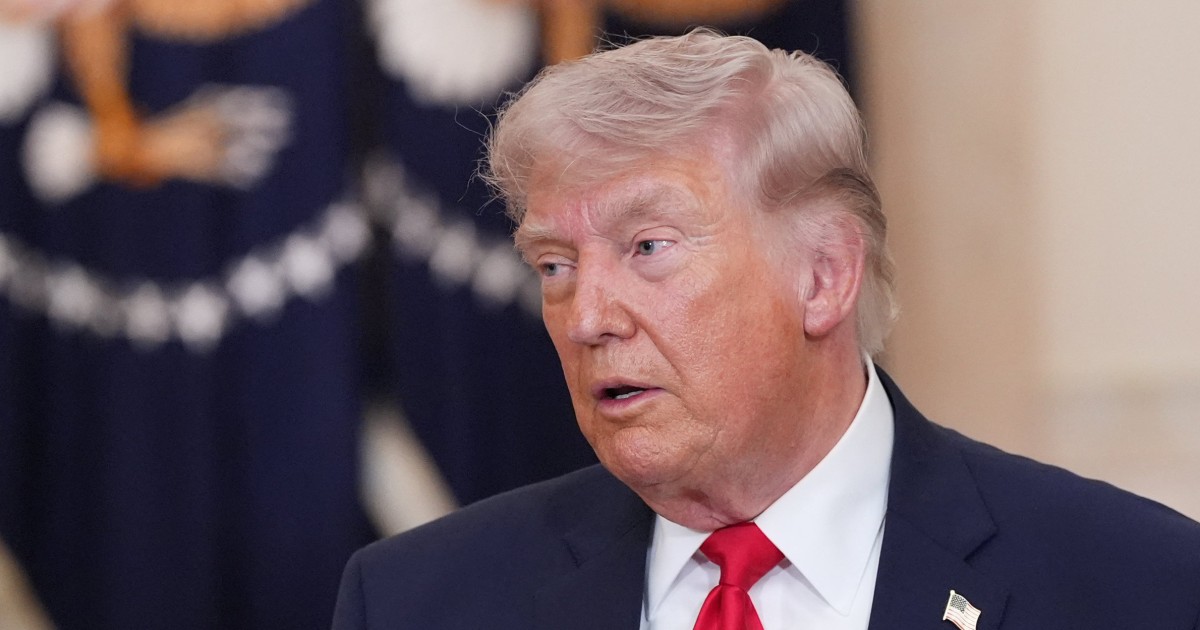
President **Donald Trump** has proposed a significant increase in military spending, while cutting domestic spending. This move has been met with criticism from **Democratic lawmakers**, who argue that it prioritizes military interests over essential public services. The budget request includes a **$750 billion** allocation for the military, a **5%** increase from the previous year. In contrast, domestic spending would be reduced by **$30 billion**, affecting programs such as education and healthcare. The proposal has sparked a heated debate about the nation's priorities and the role of government in addressing social issues. [[trump-administration|Trump Administration]] officials argue that the increased military spending is necessary to maintain national security, while **Democratic lawmakers** counter that it would exacerbate existing social and economic problems. The budget request also comes amidst a broader discussion about the **federal budget deficit**, which has been a concern for lawmakers and economists. [[federal-budget|Federal Budget]] experts warn that the proposed spending cuts could have far-reaching consequences for the economy and the most vulnerable members of society.
Key Takeaways
- The proposed military spending increase is a significant development in the budget request
- Domestic spending would be reduced by $30 billion under the proposed budget
- The budget request has sparked a heated debate about the nation's priorities and the role of government
- Lawmakers will need to weigh competing priorities and consider the long-term consequences of their decisions
- The proposed spending increase could have significant implications for national security, education, and healthcare
Balanced Perspective
The budget request reflects the **Trump Administration**'s priorities, which emphasize national security and military strength. While the proposed spending increase may have benefits for the military, it is essential to consider the potential consequences of cutting domestic spending. **Economists** warn that reducing funding for essential public services could have negative effects on the economy and exacerbate social problems. A balanced approach that takes into account both military and domestic priorities is necessary to ensure the nation's overall well-being. [[federal-budget-process|Federal Budget Process]] experts emphasize the need for a comprehensive and sustainable budget that addresses the nation's long-term challenges. The budget request highlights the complexities of allocating resources and the need for lawmakers to make difficult decisions about competing priorities.
Optimistic View
The proposed military spending increase could have a positive impact on national security, allowing the **US military** to modernize and expand its capabilities. This, in turn, could create new opportunities for **defense contractors** and stimulate economic growth in regions with a strong military presence. Additionally, the increased spending could lead to advancements in **technological innovation**, as the military invests in research and development to stay ahead of emerging threats. [[military-spending|Military Spending]] advocates argue that a strong military is essential for maintaining global stability and protecting American interests. However, it is crucial to consider the potential risks and challenges associated with increased military spending, including the potential for **arms races** and the strain on the **federal budget**.
Critical View
The proposed military spending increase is a misguided priority that will exacerbate existing social and economic problems. The **$750 billion** allocation for the military is a significant burden on the **federal budget**, which could be better spent on addressing pressing domestic issues such as **income inequality**, **climate change**, and **access to healthcare**. The cuts to domestic spending will disproportionately affect vulnerable populations, including low-income families, **students**, and **seniors**. Furthermore, the increased military spending could lead to an **arms race**, destabilizing global relations and increasing the risk of conflict. [[military-industrial-complex|Military-Industrial Complex]] critics argue that the proposed spending increase is driven by the interests of **defense contractors** rather than the needs of the nation.
Source
Originally reported by NBC News