
Summary
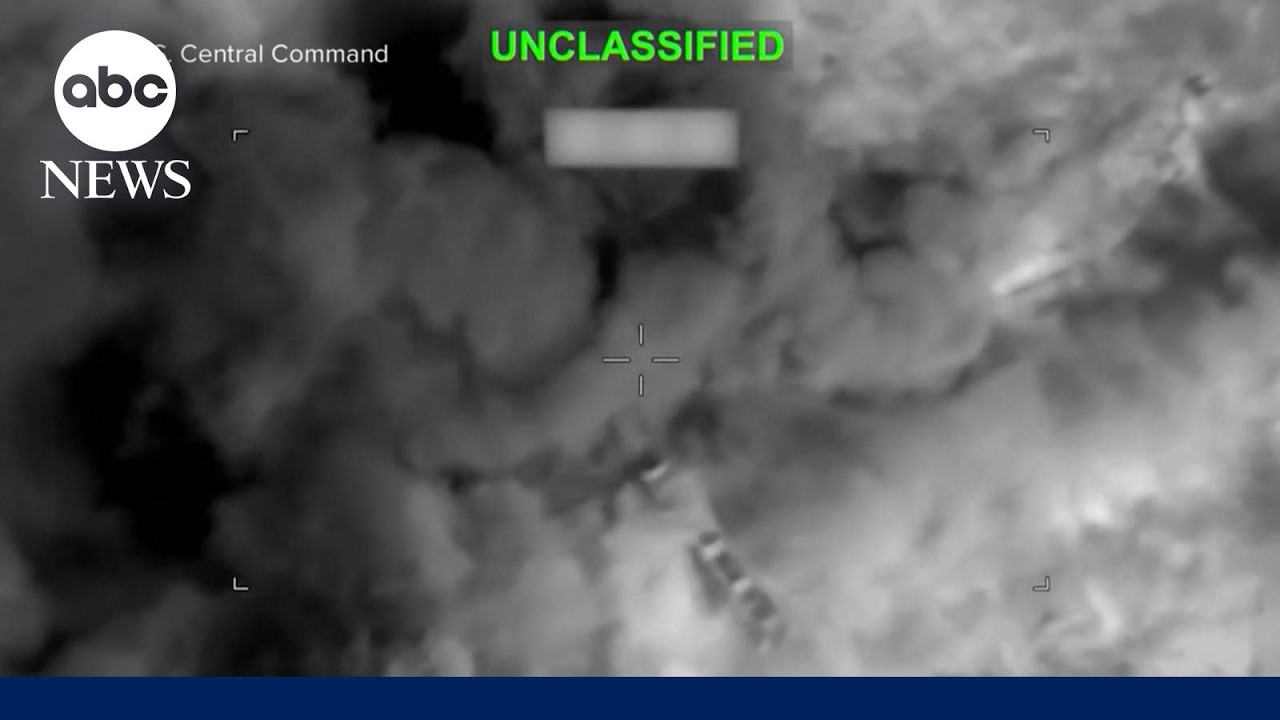
**Tensions between the U.S. and Iran** have escalated dramatically, with the U.S. launching a third round of military strikes in response to an Iranian attack on a commercial vessel. Defense Secretary **Pete Hegseth** stated, "Iran made a poor choice. Now they pay," highlighting the U.S. stance on retaliation. Meanwhile, an Iranian delegation has traveled to Oman to continue negotiations, albeit through mediators, indicating a complex diplomatic landscape. The stakes are high, as both nations exchange threats while the prospect of a peaceful resolution appears increasingly distant. The backdrop of these developments includes ongoing military operations and a fraught history of U.S.-Iran relations, which have been characterized by mutual distrust and aggressive posturing. As negotiations stall, the potential for further conflict looms large, raising questions about regional stability and international security.
Key Takeaways
- The U.S. has launched multiple military strikes against Iran in response to provocations.
- An Iranian delegation is pursuing negotiations in Oman, indicating a potential diplomatic avenue.
- Tensions are high, with both nations exchanging threats that could lead to further conflict.
- The situation is fluid, with ongoing military actions complicating diplomatic efforts.
- The outcomes of these developments could significantly impact regional and global stability.
Balanced Perspective
The situation remains fluid, with confirmed reports of U.S. military strikes against Iran following an Iranian attack on a commercial vessel. Both nations are engaged in a tit-for-tat exchange of threats, complicating the already tense atmosphere. While negotiations are ongoing, the involvement of mediators indicates that direct talks may not be feasible at this time. The facts suggest a precarious balance between military action and diplomatic efforts, with both sides weighing their options carefully. [[~military-strategy|Military strategy]] and [[~diplomatic-efforts|diplomatic efforts]] are at a crossroads.
Optimistic View
Despite the current tensions, there is a glimmer of hope for diplomacy. The Iranian delegation's visit to Oman suggests a willingness to engage in dialogue, which could pave the way for de-escalation. If both sides can find common ground, it may lead to a renewed focus on negotiations rather than military confrontation. The international community, particularly allies in the Gulf, could play a crucial role in facilitating these discussions and ensuring a more stable regional environment. [[~diplomatic-relations|Diplomatic relations]] could ultimately emerge stronger from this crisis.
Critical View
The risks of escalation are significant, with military strikes potentially leading to a broader conflict. The rhetoric from both sides is increasingly aggressive, and the stalled negotiations raise concerns about a lack of viable pathways to peace. The Iranian leadership may respond to U.S. actions with further provocations, which could spiral into a larger military engagement. The historical context of U.S.-Iran relations suggests that without meaningful dialogue, the situation may deteriorate further, impacting not only the two nations but also regional allies and global security. [[~regional-stability|Regional stability]] is at stake.
Source
Originally reported by CBS News