
Summary
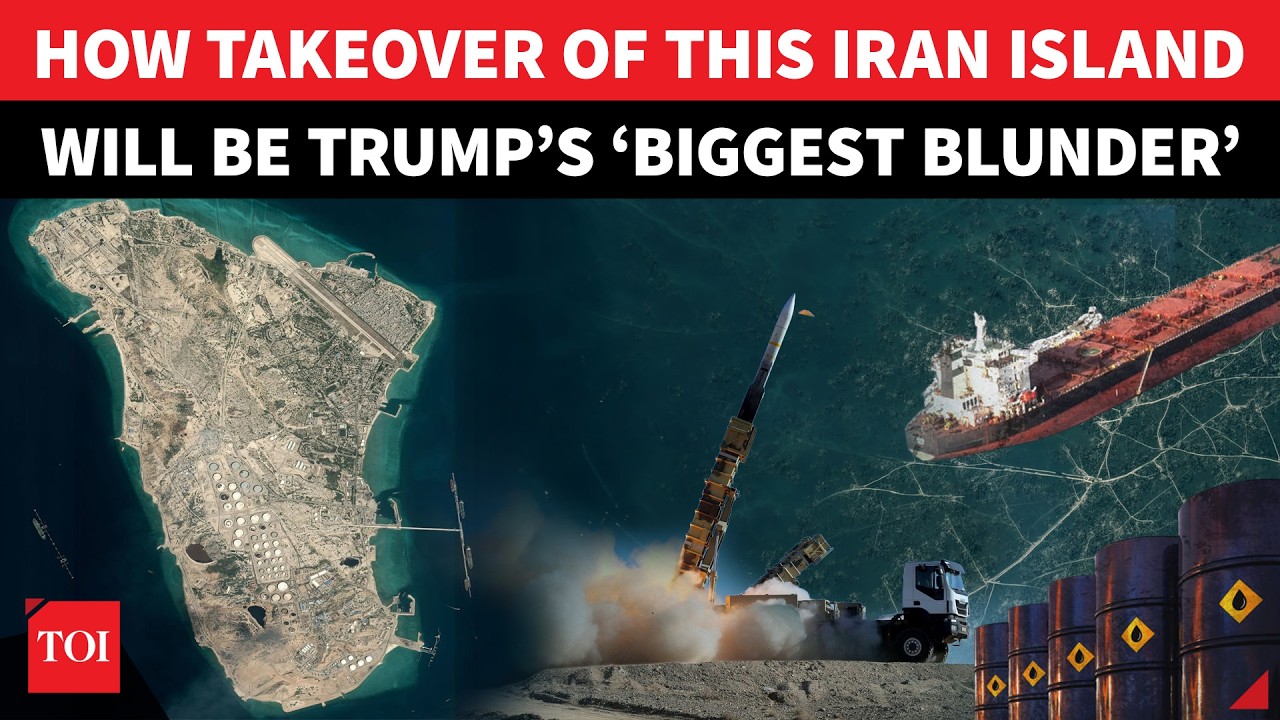
The situation in the Middle East is becoming increasingly volatile as **Iran** warns against a potential **US** ground invasion. **Pakistan** has offered to host talks between the **US** and **Iran** in an effort to de-escalate the conflict. Meanwhile, **President Donald Trump** claims that **Iran** has agreed to 'most of' the **US**' 15-point list of demands, but is still considering seizing key fuel hub **Kharg Island**. The arrival of **3,500 US service members** in the Middle East has heightened tensions, with **Iran's parliament speaker** accusing the **US** of 'secretly planning a ground invasion'. The conflict has also had an impact on **oil prices**, with **Brent crude** rising 2.47% to $107.92. For more information on the conflict, see [[iran-us-relations|Iran-US relations]] and [[middle-east-conflict|Middle East conflict]]. The role of **regional leaders** in diplomatic efforts is also crucial, as seen in the involvement of **Egypt**, **Turkey**, and **Saudi Arabia**.
Key Takeaways
- The situation in the Middle East is becoming increasingly volatile, with tensions between the US and Iran escalating by the day.
- Pakistan has offered to host talks between the US and Iran in an effort to de-escalate the conflict.
- The US has sent 3,500 troops to the Middle East, which has heightened tensions in the region.
- Oil prices have risen due to the conflict, which could have a significant impact on the global economy.
- The conflict has the potential to draw in other countries, including China, Russia, and European nations.
Balanced Perspective
The situation in the Middle East is complex and multifaceted, with many different factors at play. While **Pakistan's** offer to host talks is a positive development, it's unclear whether these talks will be successful. The **US** and **Iran** have a long history of conflict, and it's unclear whether they will be able to come to an agreement. The arrival of **US troops** in the Middle East has heightened tensions, and it's possible that the situation could escalate further. For more information on the history of the conflict, see [[us-iran-relations|US-Iran relations]]. The role of **international organizations**, such as the **United Nations**, is also important in understanding the situation.
Optimistic View
The fact that **Pakistan** is willing to host talks between the **US** and **Iran** is a positive development, as it shows that there are still diplomatic channels open. Additionally, **President Trump's** claim that **Iran** has agreed to 'most of' the **US**' demands suggests that there may be a willingness to negotiate on both sides. This could potentially lead to a peaceful resolution to the conflict, as seen in other successful diplomatic efforts, such as the [[iran-nuclear-deal|Iran nuclear deal]]. However, the situation is still volatile, and it's unclear whether these efforts will be successful. For more information on diplomatic efforts, see [[diplomacy-in-the-middle-east|Diplomacy in the Middle East]].
Critical View
The situation in the Middle East is becoming increasingly dire, with tensions between the **US** and **Iran** escalating by the day. The arrival of **US troops** has heightened tensions, and it's possible that the situation could escalate into a full-blown war. The fact that **President Trump** is still considering seizing **Kharg Island** suggests that the **US** is not interested in a peaceful resolution to the conflict. The humanitarian impact of the conflict is also a major concern, with many **civilians** affected by the violence. For more information on the humanitarian impact, see [[humanitarian-crisis-in-the-middle-east|Humanitarian crisis in the Middle East]]. The situation is critical, and it's essential to understand the perspectives of different countries and organizations to grasp the complexity of the situation.
Source
Originally reported by CNN