
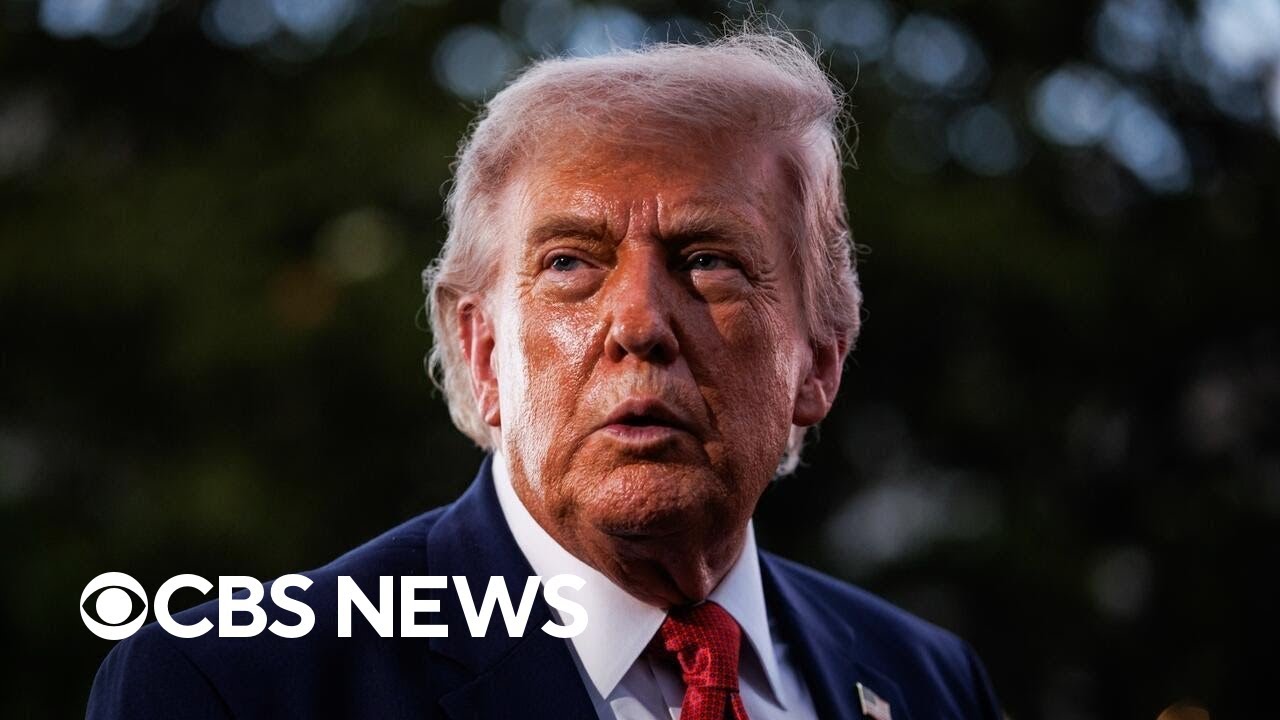
Summary
**Iran** is currently reviewing the latest U.S. peace proposal aimed at resolving ongoing tensions, while **President Trump** has indicated he will take a few days before responding. This comes as the **Republican-controlled House** faces internal strife over a proposed war powers resolution that could compel Trump to withdraw from military actions in Iran. The Democrats, led by Rep. **Gregory Meeks**, accuse Republicans of playing political games, highlighting a growing divide within the party regarding the war. The situation underscores a significant shift in congressional support for Trump's military strategies, raising questions about the future of U.S.-Iran relations and the balance of power in military decisions. The backdrop of this political maneuvering is critical; the war has been ongoing for over two months without explicit congressional approval, leading to increasing scrutiny and dissent among lawmakers. As the U.S. and Iran navigate this complex diplomatic landscape, the implications for both domestic politics and international relations are profound. The outcome of this proposal could redefine the U.S.'s approach to conflict in the Middle East and influence future engagements with Iran and other nations.
Key Takeaways
- Iran is currently reviewing a U.S. peace proposal aimed at resolving ongoing tensions.
- Trump has indicated he will delay his response to the proposal for a couple of days.
- The House delayed a vote on a war powers resolution due to internal Republican conflicts.
- Democrats accuse Republicans of failing to uphold congressional authority over military actions.
- The outcome of these discussions could significantly impact U.S.-Iran relations and future military engagements.
Balanced Perspective
The situation remains fluid, with **Iran** considering the U.S. peace proposal while **Trump** has opted to delay his response. The internal conflict within the **Republican Party** regarding the war powers resolution reflects a growing concern among lawmakers about the implications of unilateral military action. While the proposal's potential impact on U.S.-Iran relations is significant, the actual outcomes remain uncertain as both sides weigh their options amidst political pressures.
Optimistic View
From an optimistic viewpoint, the ongoing discussions between **Iran** and the **U.S.** could lead to a historic peace agreement, potentially stabilizing the Middle East. If both parties can reach a consensus, it may pave the way for improved diplomatic relations and economic cooperation, benefiting both nations. Furthermore, the internal dissent within the **Republican Party** regarding military actions could signal a shift towards more bipartisan support for diplomatic solutions over military interventions, fostering a more peaceful approach to foreign policy.
Critical View
On a pessimistic note, the delay in responding to the U.S. peace proposal could indicate a lack of genuine interest from **Iran** in resolving the conflict, potentially prolonging hostilities. The internal struggles within the **Republican Party** may lead to a fragmented approach to foreign policy, undermining U.S. credibility on the global stage. Additionally, if Congress fails to assert its authority over war powers, it could set a dangerous precedent for future military engagements, further entrenching a cycle of conflict rather than resolution.
Source
Originally reported by CBS News