
Summary
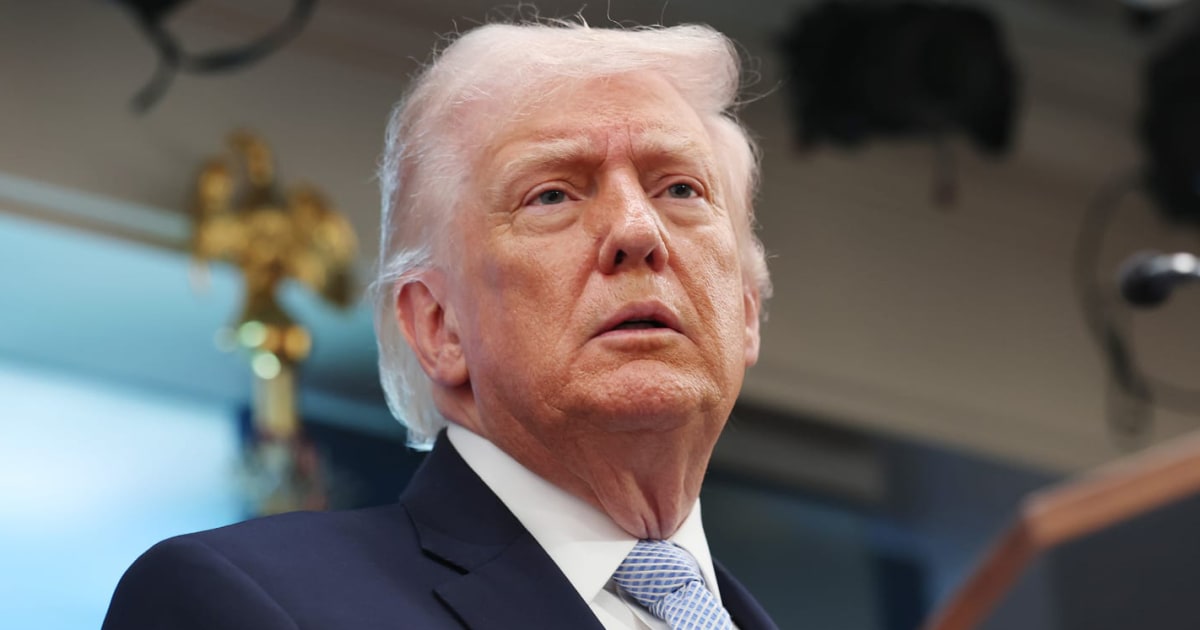
The House of Representatives has voted on a measure to constrain **President Trump**'s ability to wage war with **Iran**. The proposal, introduced by **Democrats**, aimed to limit the president's power to launch military strikes without congressional approval. However, **House Republicans** rebuffed the effort, citing concerns about national security and the need for a strong executive in foreign policy. This development comes amid heightened tensions between the US and **Iran**, with both sides engaging in a war of words and military posturing. The vote has significant implications for the balance of power between the executive and legislative branches, as well as the future of US-Iran relations. For more context, see [[iran-us-relations|US-Iran Relations]] and [[war-powers-act|War Powers Act]]. The role of **NATO** in regional security is also a factor, as discussed in [[nato|NATO]].
Key Takeaways
- The House of Representatives voted on a measure to constrain President Trump's ability to wage war with Iran
- The proposal was introduced by Democrats and aimed to limit the president's power to launch military strikes without congressional approval
- The outcome of the vote reflects deep divisions within the US political establishment
- The US-Iran conflict has significant implications for regional stability and the global economy
- The role of Congress in overseeing executive actions is a critical aspect of the US system of government
Balanced Perspective
The vote on the war powers resolution highlights the complexities and challenges of balancing congressional oversight with executive authority in foreign policy. While **Democrats** argue that the president's actions in **Iran** are a clear example of overreach, **Republicans** counter that the situation requires a robust response to protect American interests. Ultimately, the outcome reflects the inherent tensions between the legislative and executive branches, as well as the difficulties of navigating geopolitical crises. For a deeper understanding of these dynamics, see [[separation-of-powers|Separation of Powers]] and [[foreign-policy|Foreign Policy]].
Optimistic View
The rejection of the Democratic proposal could be seen as a positive development for those who believe in a strong executive and the need for swift action in response to national security threats. **President Trump**'s supporters argue that his leadership style has been effective in achieving key foreign policy objectives, such as the defeat of **ISIS**. Furthermore, a unified Republican front in the House demonstrates the party's ability to coalesce around a common agenda, which could bode well for the president's legislative priorities. See [[republican-party|Republican Party]] for more information.
Critical View
The failure to pass the Democratic proposal is a troubling sign for those who believe in the importance of congressional checks on presidential power. The vote suggests that **House Republicans** are willing to grant **President Trump** a blank check in foreign policy, which could have far-reaching and potentially disastrous consequences. Moreover, the escalation of tensions with **Iran** poses significant risks to regional stability and global security, and the lack of a unified US position only serves to embolden adversaries. See [[iran-nuclear-deal|Iran Nuclear Deal]] for background on the issue.
Source
Originally reported by NBC News