
Summary
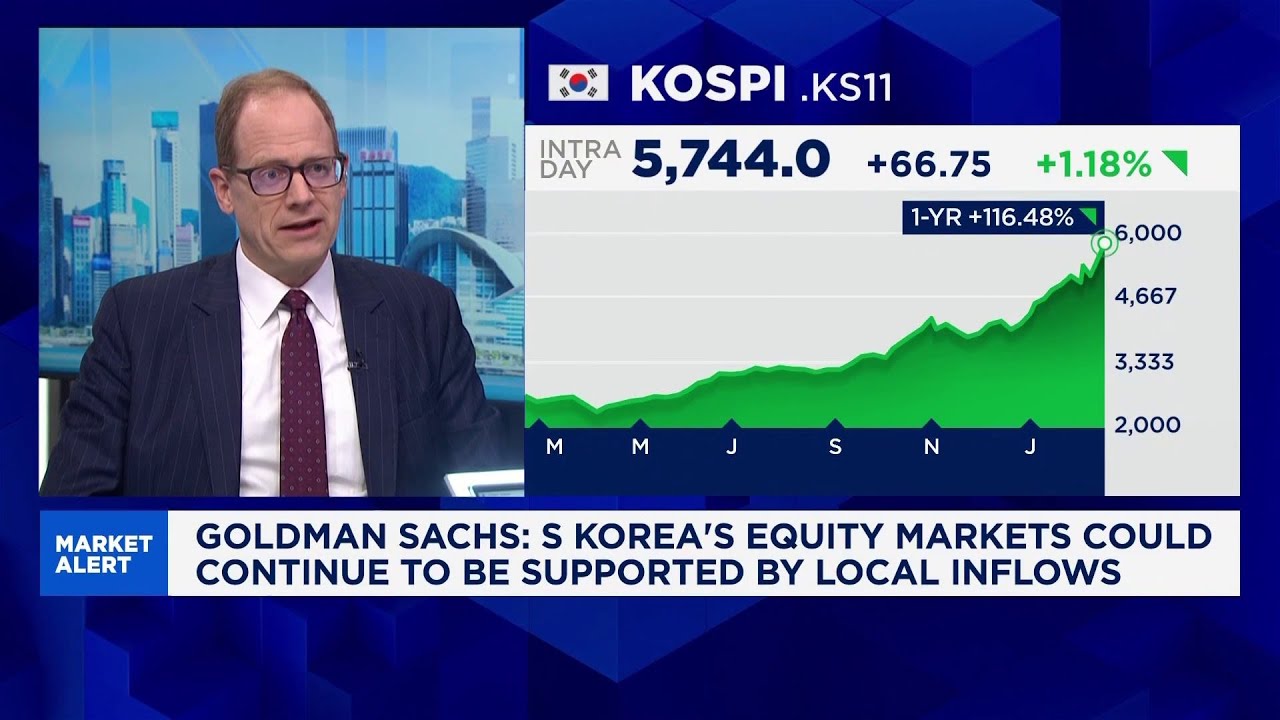
The KOSPI index fell to a two-week low, with **Samsung Electronics** and **SK Hynix** sliding over 4% each, as investors worry about the impact of **Google**'s new compression algorithm, **TurboQuant**, on memory chip demand. The algorithm, which can shrink AI's working memory requirements without hindering performance, could slow demand for advanced memory chips. This comes as **Nvidia** also faces potential competition from **Arm**'s new AI server chips. The KOSPI is set to wipe out over 8% this week, with **Samsung** and **SK Hynix** among the biggest weights on the index. The **TurboQuant** algorithm is set to be presented at the **ICLR 2026** conference in April, and its viability for mass adoption could have significant implications for the memory chip industry. **Western Digital**, **Seagate Technology**, and **Micron Technology** also tumbled between 6.9% and 8.4% overnight, tracking the decline in US memory chip stocks. The memory chip industry has benefited greatly from a supply shortage due to outsized **AI** demand, with prices rising rapidly in the past two quarters. However, the introduction of **TurboQuant** could potentially disrupt this trend, and investors are taking notice.
Key Takeaways
- The KOSPI index fell to a two-week low due to concerns over the impact of TurboQuant on the memory chip industry
- Samsung Electronics and SK Hynix slid over 4% each, with the companies potentially struggling to adapt to the changing landscape
- The introduction of TurboQuant could lead to reduced demand and lower prices in the memory chip industry
- The potential competition from Arm's new AI server chips could hurt Nvidia's market share and lead to a broader decline in the tech sector
- Investors and industry leaders should closely monitor the development and adoption of TurboQuant and consider diversifying their product offerings and investing in research and development
Balanced Perspective
The impact of **TurboQuant** on the memory chip industry is still uncertain, and it's too early to tell whether it will have a significant effect on demand. While the algorithm has the potential to reduce memory requirements, it's unclear whether it will be widely adopted and how it will affect the industry as a whole. **Samsung** and **SK Hynix** will need to monitor the situation closely and adjust their strategies accordingly, potentially by investing in research and development and diversifying their product offerings. The **KOSPI** index will likely continue to be volatile in the short term, as investors react to the news and adjust their expectations.
Optimistic View
The introduction of **TurboQuant** could be a blessing in disguise for the memory chip industry, as it could lead to increased efficiency and reduced costs. **Google**'s innovation could also drive further research and development in the field, potentially leading to new breakthroughs and opportunities. Additionally, **Samsung** and **SK Hynix** could adapt to the changing landscape by diversifying their product offerings and investing in new technologies, such as [[artificial-intelligence|AI]] and [[internet-of-things|IoT]].
Critical View
The introduction of **TurboQuant** could be a major blow to the memory chip industry, as it could lead to reduced demand and lower prices. **Samsung** and **SK Hynix** could struggle to adapt to the changing landscape, and their stock prices could continue to decline. The **KOSPI** index could also continue to slide, as investors lose confidence in the industry's ability to innovate and compete. Furthermore, the potential competition from **Arm**'s new AI server chips could also hurt **Nvidia**'s market share, leading to a broader decline in the tech sector.
Source
Originally reported by Investing.com