
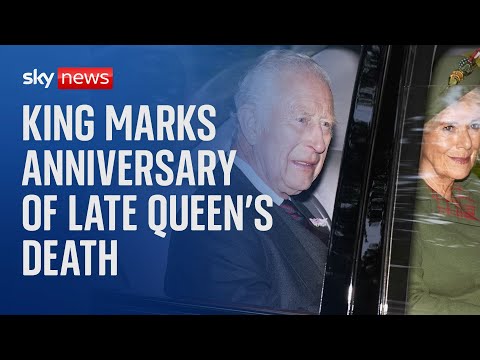
Summary
King Charles III and Queen Camilla attended a private church service at Crathie Kirk on September 8, 2024. The solemn occasion marked two years since the death of Queen Elizabeth II, who passed away at Balmoral Castle, and simultaneously commemorated King Charles's accession to the throne. The service was a personal reflection rather than a public event, held near the late Queen's beloved Scottish estate.
Key Takeaways
- King Charles III and Queen Camilla attended a private service at Crathie Kirk.
- The service marked the second anniversary of Queen Elizabeth II's death.
- It also commemorated King Charles III's accession to the British throne.
- The event took place near Balmoral Castle, a significant location for the late Queen.
- The observance was a personal and private family affair, not a public event.
Balanced Perspective
On September 8, 2024, King Charles III and Queen Camilla participated in a private service at Crathie Kirk to acknowledge the second anniversary of Queen Elizabeth II's death and King Charles's ascension. This act of remembrance is a customary practice for royal families and individuals alike, marking significant dates with personal reflection. The event was not a public spectacle but a private family observance, consistent with the nature of such anniversaries.
Optimistic View
This private observance highlights the monarchy's enduring commitment to tradition and personal remembrance, reinforcing a sense of stability and continuity during a period of transition. The quiet dignity of the service demonstrates the Royal Family's ability to navigate grief while upholding their duties, projecting an image of strength and resilience. It also subtly emphasizes King Charles's respectful continuation of his mother's legacy, suggesting a smooth and well-managed succession.
Critical View
While presented as a dignified remembrance, the private nature of the service could be interpreted as a missed opportunity for the monarchy to engage with the public and reinforce its relevance in modern society. It might also underscore the aging demographic of the monarchy's most visible figures, potentially raising concerns about future public appeal and the institution's ability to adapt. Furthermore, focusing heavily on past monarchs could divert attention from pressing contemporary issues and the need for modernization within the institution.
Source
Originally reported by independent.co.uk