
Summary
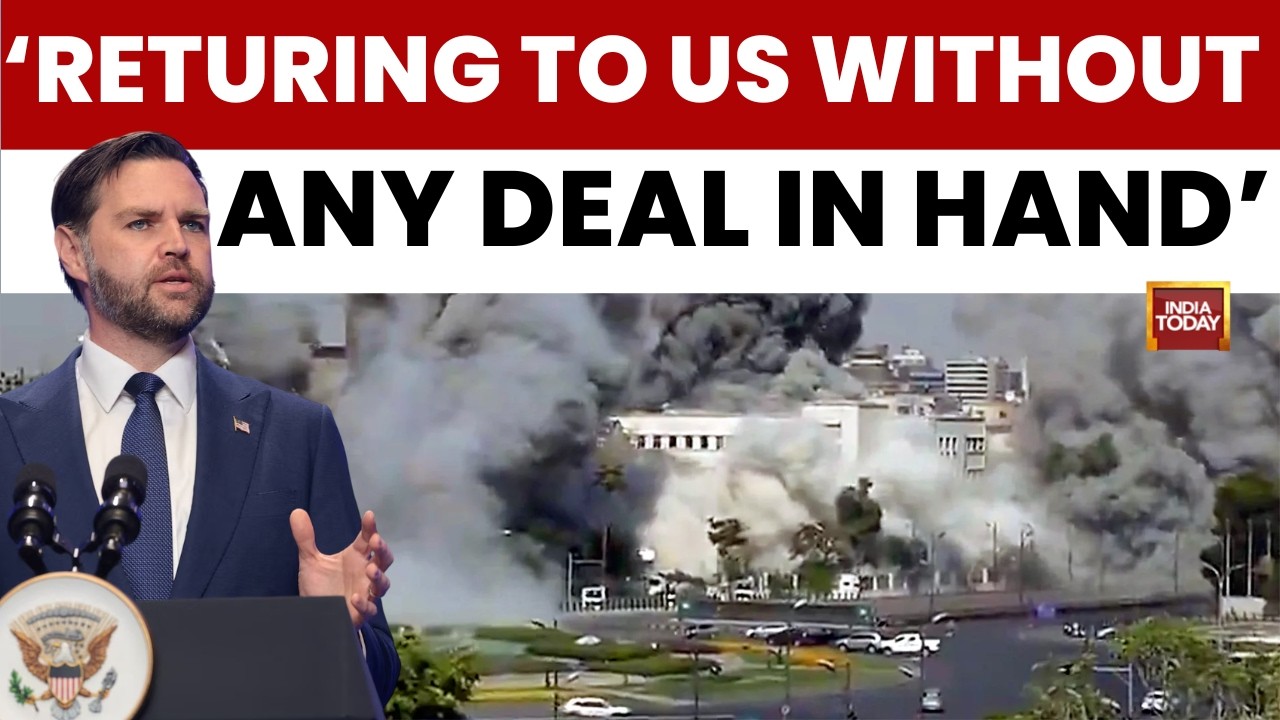
The collapse of the Islamabad negotiations has sparked concerns about the potential for increased tensions between the **US** and **Iran**. The **International Atomic Energy Agency (IAEA)** has been monitoring Iran's nuclear activities, and the failure of these talks may lead to increased scrutiny and potential sanctions. The situation is complex, with multiple stakeholders involved, including **European countries** and **regional players** like **Saudi Arabia** and **Israel**. For a deeper understanding of the geopolitical context, see [[middle-east-geopolitics|Middle East Geopolitics]] and [[iran-saudi-arabia-relations|Iran-Saudi Arabia Relations]].
Key Takeaways
- The US and Iran failed to reach a deal in Islamabad
- The failure of the talks has significant implications for global security and regional stability
- The situation is complex, with multiple factors at play, including regional security concerns and global energy markets
- Diplomacy and constructive dialogue are crucial in resolving the conflict
- The role of regional players like Saudi Arabia and Israel is significant in the conflict
Balanced Perspective
The failure of the Islamabad negotiations is a significant setback for efforts to ease tensions between the **US** and **Iran**. The **US** has imposed **sanctions** on Iran, which have had a significant impact on the Iranian economy. The **Iranian government** has been under pressure from **hardline factions** to take a tough stance in negotiations. The situation is complex, with multiple factors at play, including **regional security concerns** and **global energy markets**. For a balanced view of the situation, see [[iran-sanctions|Iran Sanctions]] and [[middle-east-energy-markets|Middle East Energy Markets]].
Optimistic View
Despite the failure of the Islamabad negotiations, there is still hope for a peaceful resolution to the **US-Iran conflict**. The fact that talks took place at all is a positive sign, and **backchannel diplomacy** may continue to play a role in finding a solution. The **US** and **Iran** have a long history of complex relations, but there have been moments of cooperation in the past, such as the **Iran nuclear deal**. For more on the history of US-Iran relations, see [[us-iran-relations|US-Iran Relations]]. A renewed commitment to diplomacy and a willingness to compromise could still lead to a breakthrough, as discussed in [[diplomacy-and-conflict-resolution|Diplomacy and Conflict Resolution]].
Critical View
The collapse of the Islamabad negotiations has significant implications for **global security** and **regional stability**. The failure to reach a deal may embolden **hardline factions** in Iran, leading to increased tensions and potentially even **military conflict**. The **US** and **Iran** have a long history of conflict, and the lack of a deal may lead to a further escalation of tensions. The situation is precarious, with potential consequences for **global energy markets** and **regional security**. For more on the potential consequences of conflict, see [[us-iran-conflict|US-Iran Conflict]] and [[middle-east-conflict|Middle East Conflict]].
Source
Originally reported by The Guardian