
Summary
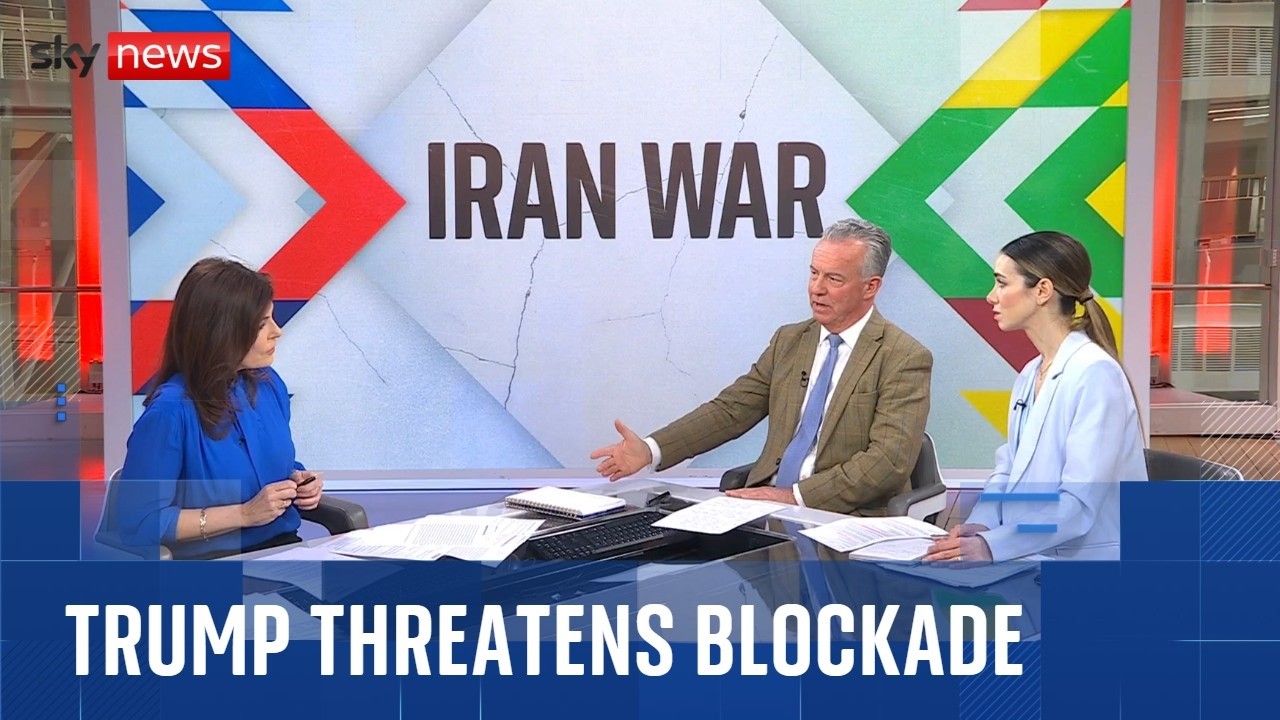
The US has announced plans to blockade the **Strait of Hormuz**, a crucial oil shipping route, after **ceasefire talks in Pakistan** failed to yield a resolution. **US President Donald Trump** stated that the **US Navy** would immediately start blockading the strait and interdicting vessels that have paid a toll to **Iran**. This move has been met with criticism from **Iran's Parliamentary Speaker Mohammad Baqer Ghalibaf**, who blamed the US for the failure of the negotiations. The blockade could have significant implications for global oil prices and the **Iran-US conflict**. The situation is being closely watched by other countries, including **China** and **Russia**, which have significant economic interests in the region. The US has been increasing its military presence in the region, with **US Central Command** overseeing operations.
Key Takeaways
- The US has announced plans to blockade the Strait of Hormuz in response to the failure of ceasefire talks in Pakistan
- The blockade could lead to a significant increase in oil prices, affecting countries that rely heavily on oil imports
- The situation is being closely watched by other countries, including China and Russia, which have significant economic interests in the region
- The US has stated that it will work with its allies to ensure the safe passage of ships through the strait
- The blockade is a highly provocative move that could lead to a significant escalation of the Iran-US conflict
Balanced Perspective
The US blockade of the **Strait of Hormuz** is a complex issue with significant implications for global oil prices and the **Iran-US conflict**. While the US has stated that it will work with its allies to ensure the safe passage of ships through the strait, the situation remains volatile. The **International Energy Agency** has warned that the blockade could lead to a significant increase in oil prices, which could have a major impact on the global economy. The US has also stated that it will interdict vessels that have paid a toll to **Iran**, which could lead to further conflict in the region. The **Arab League** has expressed concern over the potential impact of the blockade on regional stability.
Optimistic View
The US blockade of the **Strait of Hormuz** could be a strategic move to pressure **Iran** into negotiating a peaceful resolution to the conflict. With the support of its allies, the US may be able to successfully enforce the blockade and limit **Iran's** ability to export oil. This could lead to a significant reduction in **Iran's** revenue and force the country to reconsider its stance on the conflict. The US has also stated that it is committed to ensuring the safe passage of ships through the strait, which could help to mitigate the impact of the blockade on global oil prices. The situation is being closely watched by **European Union** officials, who are urging all parties to engage in diplomatic efforts to resolve the conflict.
Critical View
The US blockade of the **Strait of Hormuz** is a highly provocative move that could lead to a significant escalation of the **Iran-US conflict**. The blockade could lead to a significant increase in oil prices, which could have a major impact on the global economy. The US has also stated that it will interdict vessels that have paid a toll to **Iran**, which could lead to further conflict in the region. The situation is being closely watched by other countries, including **China** and **Russia**, which have significant economic interests in the region. The **Iranian Revolutionary Guard Corps** has warned that it will take action to defend **Iran's** interests in the region, which could lead to further conflict.
Source
Originally reported by Al Jazeera