
Summary
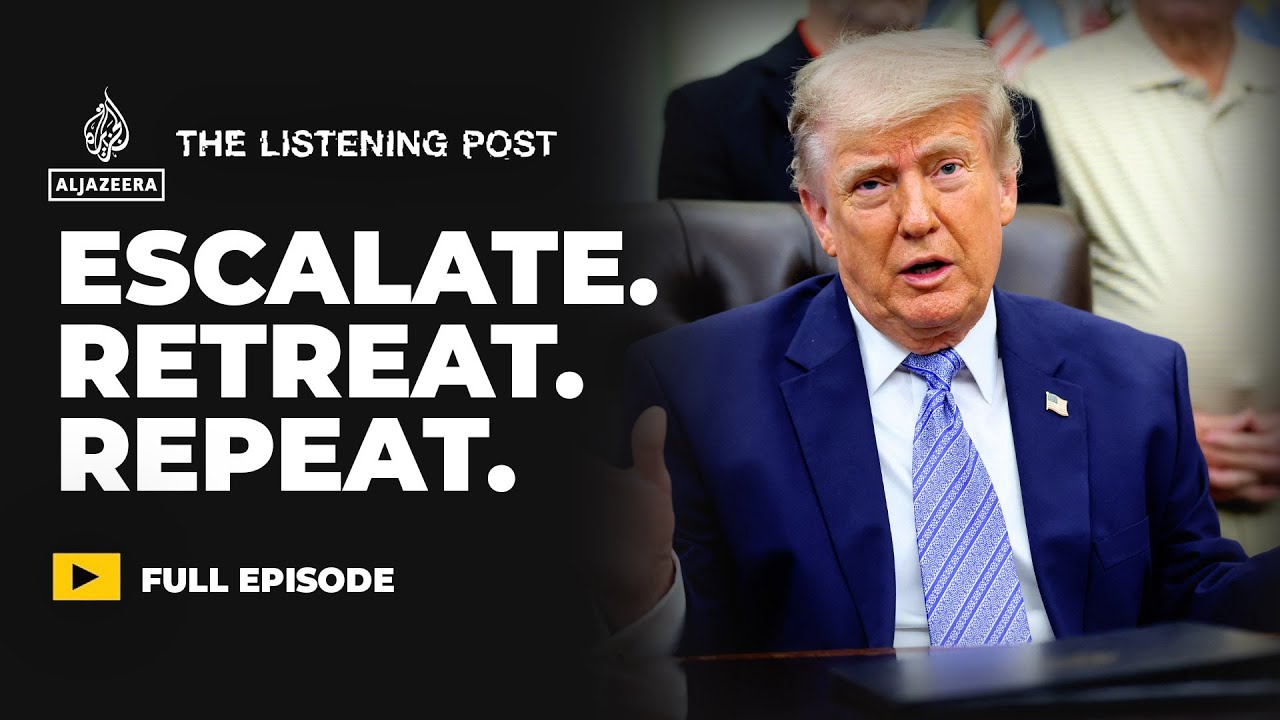
In a significant escalation of tensions, **Israel's Prime Minister** has ordered increased strikes against Lebanon, with the **Lebanese health ministry** reporting a staggering **3,185 deaths** since March 2, 2026. Meanwhile, **Iran's negotiators** are engaged in talks in **Qatar**, aiming to navigate the complex geopolitical landscape shaped by the ongoing conflict. This situation highlights the precarious balance between military action and diplomatic efforts in the region. The implications of these developments could reshape the dynamics of Middle Eastern politics and security.
Key Takeaways
- Israel has intensified military operations in Lebanon, with significant casualties reported.
- Iran is actively engaged in negotiations in Qatar, seeking diplomatic solutions.
- The humanitarian crisis in Lebanon is worsening, with over 3,000 fatalities since early March.
- The outcome of the negotiations remains uncertain, with potential for both escalation and resolution.
- International involvement may be crucial in shaping the future of the conflict.
Balanced Perspective
Currently, the situation remains fluid, with confirmed reports of escalating military operations by Israel against Lebanon and ongoing diplomatic talks involving Iranian representatives in **Qatar**. The **Lebanese health ministry** has provided verified statistics on casualties, indicating a severe humanitarian crisis. While military actions are intensifying, the outcome of negotiations remains uncertain, leaving room for both potential escalation and resolution.
Optimistic View
From a hopeful standpoint, the ongoing negotiations in **Qatar** could pave the way for a diplomatic resolution to the conflict. If both sides can find common ground, it may lead to a de-escalation of military actions and a more stable regional environment. The international community, particularly the **United States**, may play a crucial role in facilitating these discussions, potentially fostering a new era of cooperation in the Middle East. This could also lead to humanitarian aid reaching affected areas, alleviating the suffering of civilians caught in the crossfire.
Critical View
The bearish outlook on this situation raises concerns about the potential for further violence and instability. The significant number of casualties reported in Lebanon underscores the humanitarian toll of the conflict, which may provoke international condemnation and calls for intervention. Additionally, if negotiations fail or are perceived as insincere, it could lead to an even greater escalation of military actions, drawing in regional powers and exacerbating the crisis further.
Source
Originally reported by Al Jazeera