
Summary
The **Iran-US conflict** has taken a new turn, with **Donald Trump** accusing **Tehran** of mishandling the situation in the **Strait of Hormuz**. This comes after the deadliest strikes in a single day, prompting **Benjamin Netanyahu** to approve direct negotiations with **Lebanon**. The situation remains volatile, with the US and Iran engaging in a war of words. [[iran-us-relations|Iran-US relations]] have been strained for decades, and this latest development has raised concerns about the potential for **escalation**. The **Strait of Hormuz** is a critical waterway, with **20% of the world's oil** passing through it. [[middle-east-geopolitics|Middle East geopolitics]] are complex, and this conflict has far-reaching implications. The **US** has been increasing its military presence in the region, while **Iran** has been accused of **provoking** the US. [[israel-lebanon-relations|Israel-Lebanon relations]] are also a factor, with **Netanyahu** seeking to negotiate with **Lebanon**.
Key Takeaways
- The US and Iran are engaged in a war of words over the Strait of Hormuz
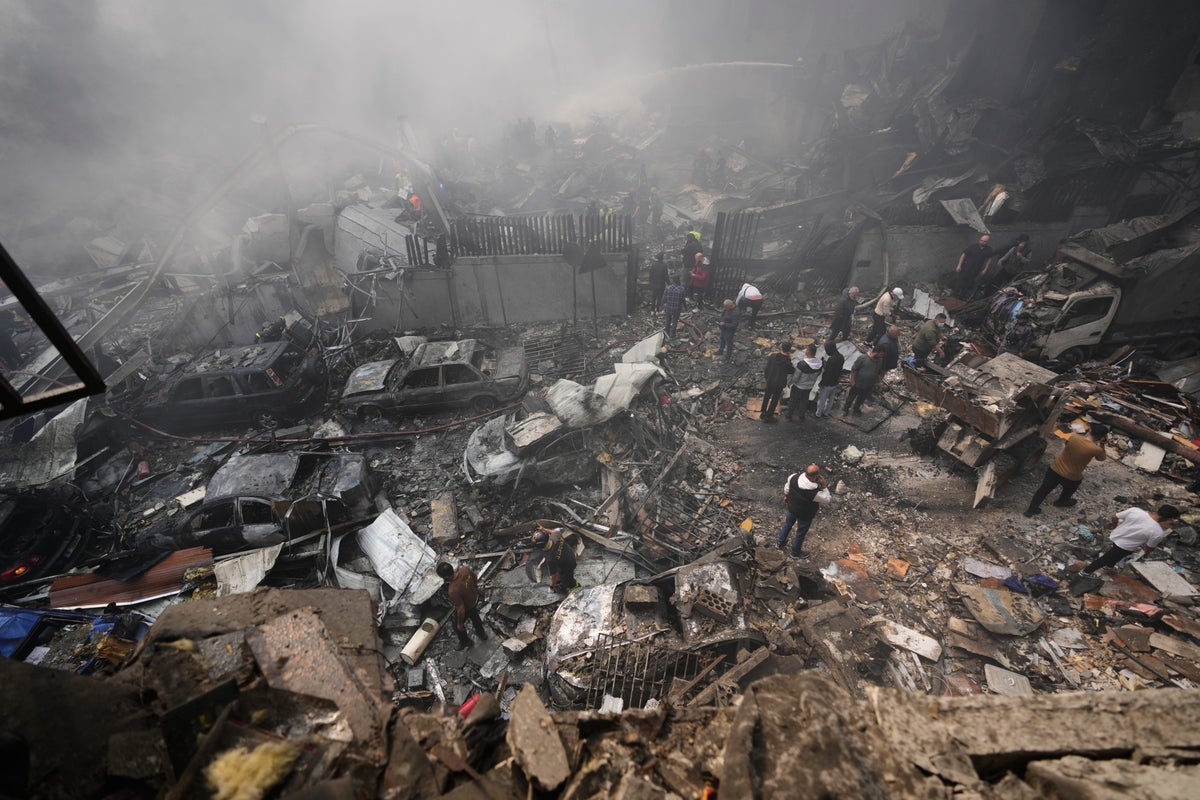
- The deadliest strikes in a single day have occurred in the region
- Benjamin Netanyahu has approved direct negotiations with Lebanon
- The international community is watching the situation closely
- The potential for military conflict is very real
Balanced Perspective
The situation in the **Middle East** is complex, and it is difficult to predict how events will unfold. The **US**, **Iran**, and **Israel** all have their own interests and motivations, and it is unclear how these will intersect. The **Strait of Hormuz** is a critical waterway, and any **disruption** could have far-reaching consequences. The **international community** is watching the situation closely, and will likely play a key role in **shaping the outcome**. [[geopolitics|Geopolitics]] are inherently unpredictable, and the **US**, **Iran**, and **Israel** must all be prepared for a range of possible scenarios. The **EU** and **UN** can provide a **framework** for negotiations, but the parties involved must be willing to **engage in good faith**.
Optimistic View
The fact that **Netanyahu** is seeking to negotiate with **Lebanon** is a positive development, and could potentially lead to a **reduction in tensions**. The **US** and **Iran** may also be willing to **negotiate**, particularly if the **international community** applies pressure. The **Strait of Hormuz** is a critical waterway, and a **peaceful resolution** would be in the best interests of all parties involved. [[diplomacy|Diplomacy]] can be an effective tool in resolving conflicts, and the **US**, **Iran**, and **Israel** should all be seeking to **engage in dialogue**. The **EU** and **UN** can also play a key role in **facilitating negotiations**.
Critical View
The situation in the **Middle East** is highly volatile, and the potential for **military conflict** is very real. The **US**, **Iran**, and **Israel** are all taking **aggressive** stances, and it is unclear how this will play out. The **Strait of Hormuz** is a critical flashpoint, and any **miscalculation** could lead to **disaster**. The **international community** may be unable to **broker a peace**, particularly if the **US**, **Iran**, and **Israel** are not willing to **negotiate**. The **consequences** of a **regional war** would be **catastrophic**, and the **global economy** could be severely impacted. [[war-and-conflict|War and conflict]] can have far-reaching and devastating consequences, and the **US**, **Iran**, and **Israel** must all be aware of the risks involved.
Source
Originally reported by The Independent