
Summary
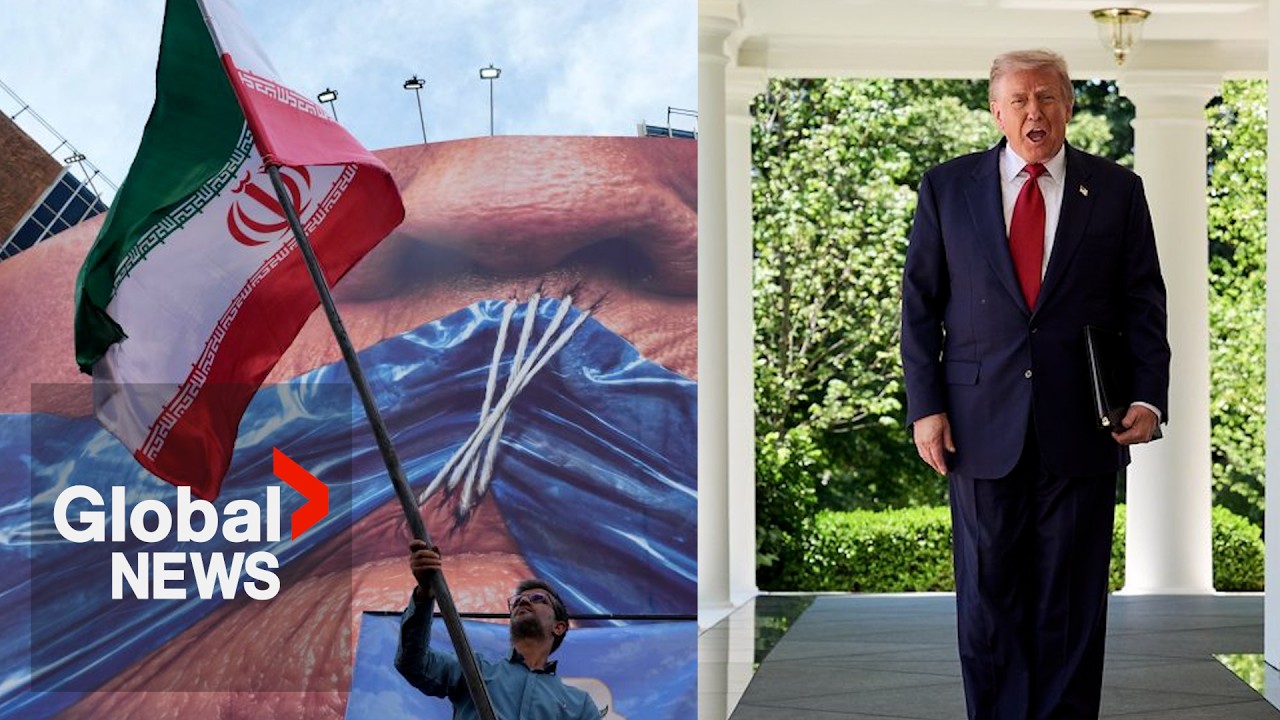
The volatile situation between **Iran** and the **United States** remains at a critical juncture, with Tehran expected to issue a response to **Donald Trump**'s proposed peace plan. This comes as ongoing hostilities persist in the **Strait of Hormuz**, a vital global oil transit route. Meanwhile, **Senator Marco Rubio** has publicly criticized **NATO**, adding another layer of complexity to the international security landscape. The lack of an immediate Iranian response to US overtures highlights the deep-seated mistrust and the precarious balance of power in the Middle East.
Key Takeaways
- Iran is expected to respond to a peace plan proposed by former US President Donald Trump.
- Hostilities continue within the strategically vital Strait of Hormuz.
- US officials have not yet received an official response from Iran.
- Senator Marco Rubio has publicly criticized NATO, adding a layer of complexity to international relations.
- The situation highlights ongoing tensions and potential for escalation between Iran and the US.
Balanced Perspective
As of late Friday, US officials had not disclosed any Iranian response to their peace overtures. Hostilities continue within the Strait of Hormuz, a key chokepoint for global energy supplies. Senator Marco Rubio's comments regarding NATO represent a separate, though potentially related, geopolitical development. The precise nature of Iran's forthcoming response, and its implications for the ongoing conflict and broader international relations, remain to be seen. The situation is characterized by a high degree of uncertainty and ongoing military posturing.
Optimistic View
Tehran's eventual response to Trump's peace plan could signal a willingness to de-escalate, potentially paving the way for renewed diplomatic channels. Senator Rubio's critique of NATO, while seemingly tangential, might spur a necessary re-evaluation of global alliances, ultimately leading to more effective and targeted security strategies that could benefit regional stability. A successful diplomatic breakthrough could ease tensions in the Strait of Hormuz, ensuring the unimpeded flow of oil and bolstering global economic confidence.
Critical View
The prolonged silence from Tehran regarding Trump's peace plan suggests a rejection or a strategic delay, indicating a continued commitment to aggressive posturing in the Strait of Hormuz. Senator Rubio's criticism of NATO could further fragment Western alliances at a time when unified pressure on Iran might be most effective. This confluence of events points towards an escalating conflict, with increased risks of miscalculation and wider regional conflagration, potentially disrupting global energy markets and leading to significant economic fallout.
Source
Originally reported by The Independent