
Summary
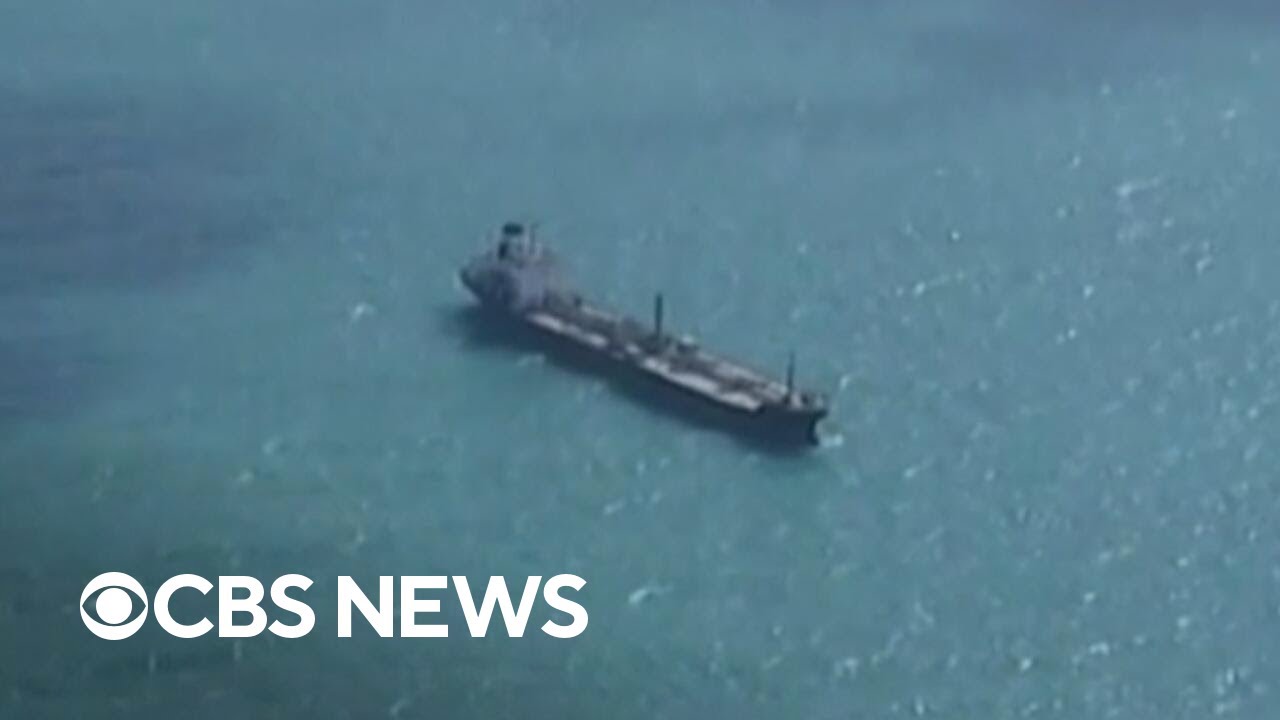
In a significant escalation, **Iran** has threatened a 'heavy assault' against any vessels that might attack its ships, a clear signal to the **United States** amidst ongoing diplomatic efforts. **President Trump** is reportedly awaiting a response to a peace proposal, the details of which remain undisclosed. Meanwhile, hostilities persist within the critical **Strait of Hormuz**, a vital chokepoint for global oil trade. US officials have not yet confirmed any Iranian reply to their overtures, leaving the situation precariously balanced between de-escalation and potential conflict. This standoff highlights the volatile geopolitical climate in the Middle East and the delicate dance between deterrence and diplomacy.
Key Takeaways
- Iran has issued a severe warning of retaliation against any attacks on its ships.
- President Trump is awaiting Iran's response to an undisclosed US peace proposal.
- Hostilities continue to occur within the strategically vital Strait of Hormuz.
- US officials have not confirmed receiving any response from Iran.
- The situation carries significant implications for global energy security and regional stability.
Balanced Perspective
The current situation is characterized by a dangerous information vacuum and a high degree of strategic ambiguity. **Iran's** threat is a direct response to perceived provocations or a pre-emptive measure against potential US actions, while the US awaits a response to an unspecified peace proposal. The ongoing hostilities in the **Strait of Hormuz** indicate that de-escalation is not yet assured. Without confirmation of Iran's response or further details on the US proposal, assessing the true trajectory of events remains speculative.
Optimistic View
The optimistic view hinges on the possibility that Iran's 'heavy assault' warning is primarily a rhetorical maneuver, designed to bolster its negotiating position rather than signal an imminent attack. The fact that **President Trump** has extended a peace proposal, even if unacknowledged, suggests a potential pathway for dialogue. If Iran responds positively, even through indirect channels, it could lead to a de-escalation of tensions in the **Strait of Hormuz**, safeguarding vital shipping lanes and averting a wider conflict.
Critical View
The pessimistic outlook sees Iran's 'heavy assault' warning as a genuine precursor to military action, especially if it perceives US naval presence or actions in the **Strait of Hormuz** as escalatory. The lack of a confirmed response to the US peace proposal could indicate Iranian rejection or a deliberate delay tactic, suggesting that diplomatic channels are failing. This scenario points towards an increased risk of miscalculation and a potential slide into direct confrontation, with severe implications for regional stability and global energy markets.
Source
Originally reported by The Independent