
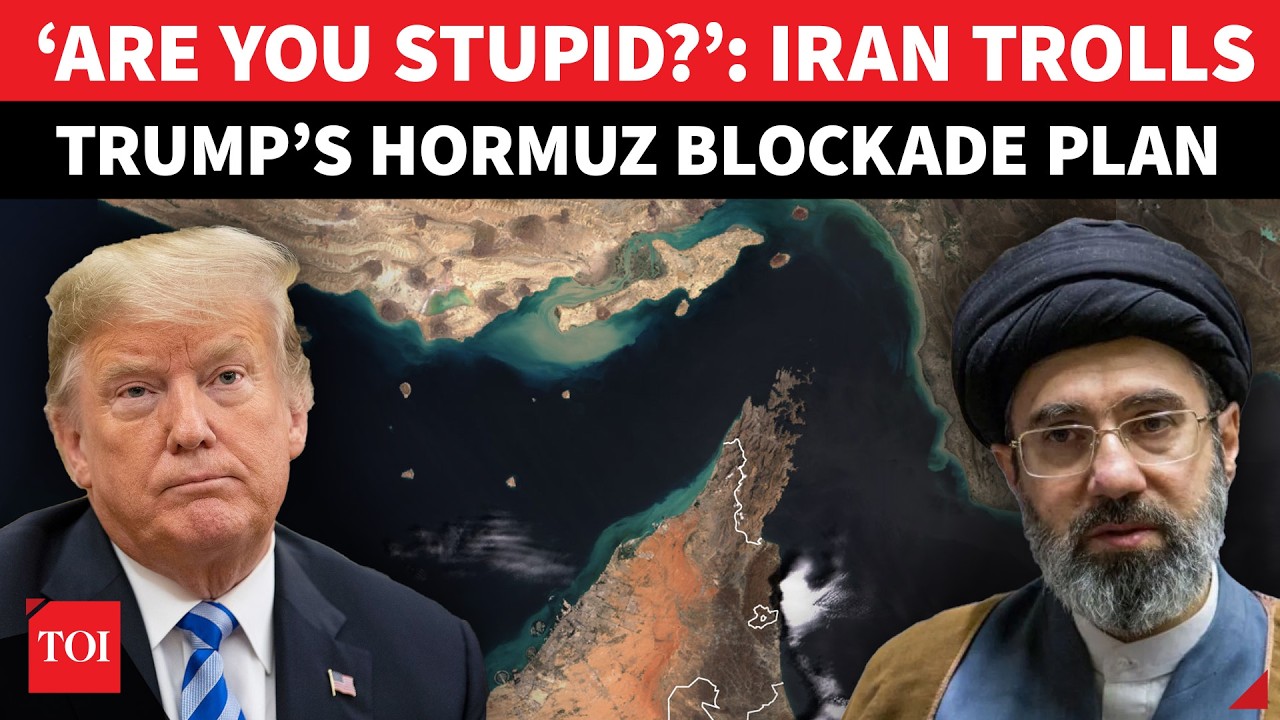
Summary
The blockade order has sparked concerns about the potential for **military conflict** in the region, with **Iran** warning that it will not hesitate to defend its interests. The **US** has long been critical of **Iran's** activities in the region, including its support for **Hezbollah** and other militant groups. As the situation continues to escalate, it is likely that other countries in the region will be drawn into the conflict, potentially leading to a wider **regional war**. The **International Community** is calling for calm and restraint, but it remains to be seen whether **diplomacy** can prevail in the face of such strong tensions.
Key Takeaways
- The US Navy has been ordered to blockade the Strait of Hormuz
- Iran's Revolutionary Guard has insisted that the strait remains open for civilian vessels
- The blockade order has sparked concerns about the potential for military conflict in the region
- The situation is being closely watched by other countries in the region, including Saudi Arabia and Israel
- The International Community is calling for calm and restraint
Balanced Perspective
The current situation in the **Strait of Hormuz** is complex and multifaceted, with both **Iran** and the **US** having legitimate concerns and interests. The **US** is seeking to protect its allies and interests in the region, while **Iran** is seeking to defend its sovereignty and territorial integrity. The **blockade** order has raised concerns about the potential for **military conflict**, but it also reflects the deep-seated tensions and mistrust between the two countries. As the situation continues to unfold, it will be important to consider the perspectives and interests of all parties involved, including **Saudi Arabia**, **Israel**, and other regional actors. [[strait-of-hormuz|Strait of Hormuz]], [[us-iran-relations|US-Iran Relations]]
Optimistic View
Despite the escalating tensions, there are still opportunities for **diplomacy** to prevail. **Iran** and the **US** have a long history of complex relations, but there have been moments of cooperation in the past, such as the **Iran nuclear deal**. If both sides can find a way to compromise and negotiate, it may be possible to avoid a wider conflict and find a peaceful resolution to the current crisis. The **European Union** and other international actors may play a key role in facilitating these negotiations and finding a way forward. [[iran-nuclear-deal|Iran Nuclear Deal]], [[us-iran-relations|US-Iran Relations]]
Critical View
The escalating tensions between **Iran** and the **US** have the potential to lead to a wider **regional war**, with devastating consequences for the people of the region and the global economy. The **blockade** order is a highly provocative move that could be seen as an act of **war** by **Iran**, and it is likely that **Iran** will respond in kind. The **US** has a history of **military intervention** in the region, and it is possible that the current situation could escalate into a full-scale conflict. The **International Community** must take immediate action to prevent this from happening and to find a peaceful resolution to the crisis. [[us-military-intervention|US Military Intervention]], [[iran-us-relations|Iran-US Relations]]
Source
Originally reported by Al Jazeera