
Summary
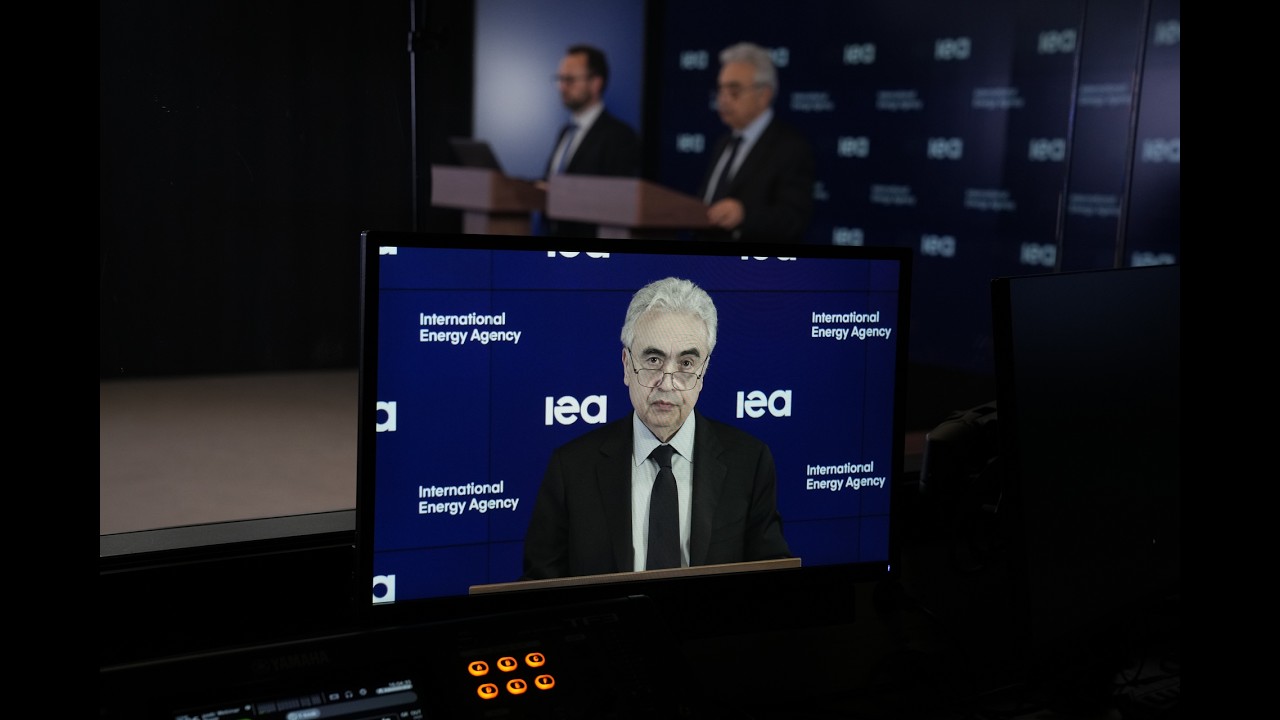
The **Iran oil crisis** has been deemed the worst energy shock ever recorded by **Fatih Birol**, executive director of the **International Energy Agency (IEA)**. This crisis is expected to surpass the oil crises of the **1970s**, which led to significant policy changes such as the introduction of **high occupancy vehicle (HOV) lanes** and a nationwide **55 mph speed limit**. The current crisis is also more severe than the **2022 energy shock** caused by **Russia's invasion of Ukraine**. <br><br> The IEA chief's warning highlights the need for world leaders to take immediate action to address the crisis. The **Iran war** has disrupted global oil supplies, leading to a significant increase in energy prices. The crisis is expected to have far-reaching consequences, including **economic instability** and **social unrest**. As the world grapples with this unprecedented energy shock, it remains to be seen how leaders will respond to the challenge.
Key Takeaways
- The **Iran oil crisis** is the worst energy shock ever recorded, according to the IEA chief
- The crisis has surpassed the oil crises of the **1970s** and the **2022 energy shock**
- The crisis is expected to have **far-reaching consequences**, including **economic instability** and **social unrest**
- The IEA chief's warning highlights the need for **immediate action** to address the crisis
- The crisis could lead to **increased investment** in **renewable energy** and **sustainable development**
Balanced Perspective
The **Iran oil crisis** is a complex issue with **far-reaching consequences**. The crisis has been exacerbated by **geopolitical tensions** and **global demand** for energy. While the crisis poses significant challenges, it also presents **opportunities** for innovation and **investment** in **energy infrastructure**. The IEA's warning highlights the need for **coordinated action** among nations to address the crisis and promote **energy stability**. However, the effectiveness of such efforts will depend on **international cooperation** and **political will**.
Optimistic View
The **Iran oil crisis** could be a catalyst for **renewable energy investment** and **sustainable development**. As the world seeks to reduce its dependence on fossil fuels, this crisis could accelerate the transition to **clean energy sources**. Additionally, the crisis may lead to **increased cooperation** among nations to address the global energy challenge. **Fatih Birol**'s warning could serve as a wake-up call for world leaders to take **proactive measures** to mitigate the effects of the crisis and promote **energy security**.
Critical View
The **Iran oil crisis** has the potential to be **catastrophic**, with **devastating consequences** for the global economy and **social stability**. The crisis could lead to **widespread shortages** of essential goods and services, **economic instability**, and **social unrest**. The IEA's warning may be too little, too late, as the crisis has already **disrupted global energy markets**. The lack of **preparedness** among world leaders could exacerbate the crisis, leading to **long-term damage** to the global economy and **energy security**.
Source
Originally reported by Fortune