
Summary
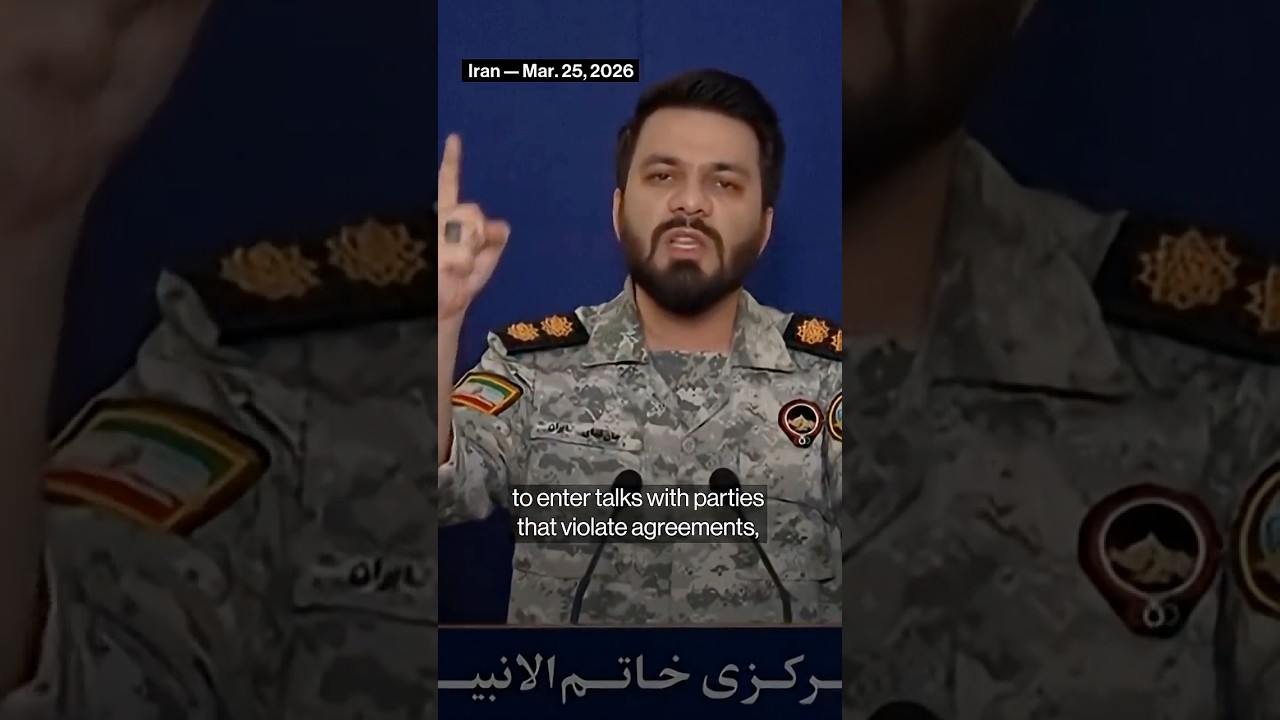
The **Iranian government** has dismissed **US peace proposals** as 'unrealistic, illogical and excessive' as the conflict in the Middle East continues to escalate. **President Donald Trump** has stated that **Iran's new leaders** seem 'very reasonable', but **Iran's parliament speaker, Mohammad Baqer Qalibaf**, has warned the US against any ground attack. The war has spread across the region, causing significant disruption to **energy supplies** and hitting the **global economy**. [[iran|Iran]] has been engaged in a month-long conflict with the **US and Israel**, resulting in thousands of deaths and widespread destruction. The **Pakistani government** is preparing to host talks between the US and Iran in an effort to bring an end to the conflict. [[pakistan|Pakistan]] has been acting as an intermediary between **Tehran** and **Washington**, with **Foreign Minister Ishaq Dar** stating that the country is committed to facilitating 'meaningful talks' between the two sides. The conflict has also drawn in other regional players, including **Israel**, **Egypt**, **Saudi Arabia**, and **Turkey**. The **US Department of Defense** has dispatched thousands of troops to the Middle East, giving **President Trump** the option of launching a ground offensive. As the situation continues to deteriorate, the international community is calling for a peaceful resolution to the conflict. [[middle-east|Middle East]] has been plagued by conflict for decades, and the current situation has raised concerns about the potential for further escalation. The economic impact of the conflict has been significant, with **oil prices** surging in recent days. The **global economy** is also feeling the effects of the conflict, with trade and investment being impacted. The situation remains volatile, with the potential for further escalation in the coming days. [[oil-prices|Oil prices]] have been affected by the conflict, and the **global economy** is likely to continue to feel the effects of the war.
Key Takeaways
- The conflict in the Middle East is a complex and multifaceted issue, with a range of different players and interests involved.
- The US and Iran have engaged in a cycle of violence and retaliation, resulting in thousands of deaths and widespread destruction.
- The conflict has significant implications for the global economy, with oil prices surging in recent days.
- The international community should support efforts to find a peaceful resolution to the conflict, and should encourage diplomacy and dialogue between the US and Iran.
- The United Nations and other international organizations should play a key role in facilitating talks and finding a peaceful solution.
Balanced Perspective
The situation in the Middle East is complex and multifaceted, with a range of different players and interests involved. While **President Trump** has stated that **Iran's new leaders** seem 'very reasonable', it is unclear whether this will translate into a peaceful resolution to the conflict. The fact that **Iran's parliament speaker, Mohammad Baqer Qalibaf**, has warned the US against any ground attack suggests that **Iran** is prepared to defend itself, and the conflict could escalate further. The involvement of **Pakistan** as an intermediary between **Tehran** and **Washington** may help to facilitate dialogue, but it is unclear whether this will be enough to bring an end to the conflict. [[middle-east|Middle East]] has a long history of conflict, and the current situation is no exception. The international community should be cautious in its assessment of the situation, and should support efforts to find a peaceful resolution.
Optimistic View
The fact that **President Trump** has stated that **Iran's new leaders** seem 'very reasonable' suggests that there may be a willingness to negotiate a peaceful resolution to the conflict. The involvement of **Pakistan** as an intermediary between **Tehran** and **Washington** could also be a positive development, as it may help to facilitate dialogue between the two sides. Additionally, the fact that **Iran's parliament speaker, Mohammad Baqer Qalibaf**, has warned the US against any ground attack suggests that **Iran** may be open to finding a peaceful solution to the conflict. [[pakistan|Pakistan]]'s role in facilitating talks between the US and Iran could be crucial in finding a peaceful resolution. [[iran|Iran]] has shown a willingness to engage in dialogue, and the international community should support these efforts.
Critical View
The conflict in the Middle East is likely to escalate further, with **Iran** and the **US** engaging in a cycle of violence and retaliation. The fact that **President Trump** has stated that **Iran's new leaders** seem 'very reasonable' is unlikely to be enough to bring an end to the conflict, as the issues at stake are deeply entrenched and complex. The involvement of **Pakistan** as an intermediary between **Tehran** and **Washington** may be seen as a positive development, but it is unlikely to be enough to overcome the deep-seated differences between the two sides. The conflict has already resulted in thousands of deaths and widespread destruction, and it is likely to continue to have a significant impact on the **global economy**. [[iran|Iran]] and the **US** have a long history of conflict, and the current situation is no exception. The international community should be prepared for the worst, and should take steps to mitigate the impact of the conflict on the **global economy**.
Source
Originally reported by Reuters