
Summary
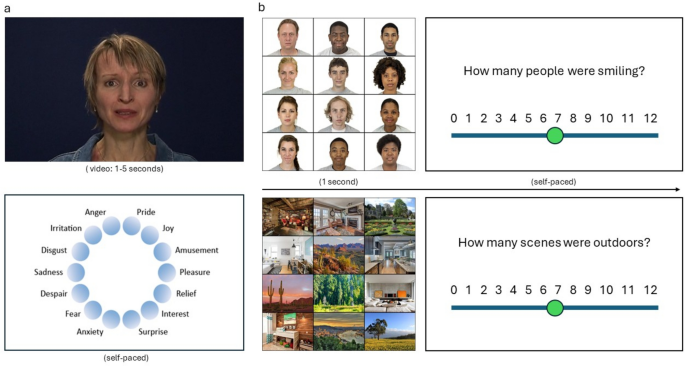
**Scientific Reports** published a study showing that individuals with higher self-assessed social status over their lifespans exhibit worse emotion perception skills. The research, conducted by a team at the University of Edinburgh, analyzed data from 1,200 participants and found a statistically significant correlation between perceived social hierarchy and reduced ability to interpret others' emotional cues [[social-status|Social Status]]. This challenges the assumption that higher status equates to greater social intelligence [[empathy|Empathy]]. The study's methodology involved standardized emotion recognition tests and longitudinal tracking of participants' self-reported social standing. Notably, the effect was more pronounced in middle-aged and older adults, suggesting a cumulative impact of status perception over time [[longitudinal-studies|Longitudinal Studies]]. Critics argue the study may conflate correlation with causation, as socioeconomic factors could independently influence both status perception and emotional literacy [[socioeconomic-factors|Socioeconomic Factors]].
Key Takeaways
- Higher self-assessed social status correlates with reduced emotion perception
- The effect is more pronounced in middle-aged and older adults
- Causation remains unproven, with socioeconomic factors as potential confounders
- Implications for social policy and leadership development
Balanced Perspective
**The study reveals a measurable trend**. While the correlation between social status and emotion perception is statistically significant, the causal relationship remains unclear. The research highlights the need for further studies to disentangle confounding variables like education level and cultural norms [[cultural-norms|Cultural Norms]].
Optimistic View
**This study opens new pathways for social intervention**. If higher status correlates with poorer empathy, targeted programs could improve emotional intelligence in high-status individuals, fostering better interpersonal connections. The findings could inform corporate training and leadership development, enhancing team dynamics and reducing workplace conflicts [[leadership-development|Leadership Development]].
Critical View
**This could deepen social divides**. If high-status individuals are less attuned to others' emotions, it may perpetuate systemic inequities by reducing their capacity for empathy-driven policy-making and community engagement [[systemic-inequities|Systemic Inequities]].
Source
Originally reported by nature.com