
Summary
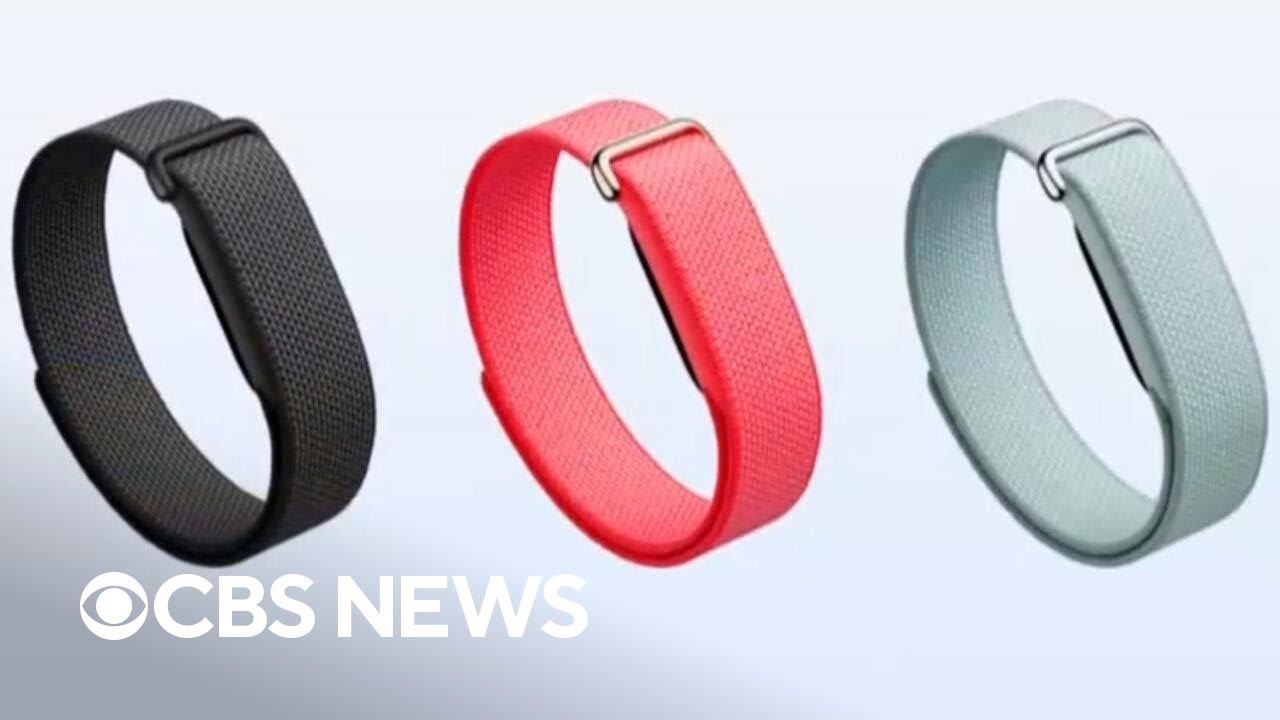
Google has launched the **Fitbit Air**, a $99 screenless fitness tracker that marks a significant departure from the screen-heavy smartwatches dominating the market. Positioned as a direct competitor to **Whoop**, the device prioritizes core health tracking and extended battery life over notifications and app mirroring. This move by **Google** could signal a broader consumer fatigue with the constant demands of smartwatches, potentially revitalizing the market for dedicated, minimalist fitness devices. The Fitbit Air's appeal lies in its simplicity, offering a focused health experience without the digital distractions of its screen-equipped counterparts.
Key Takeaways
- Google's Fitbit Air is a new $99, screenless fitness tracker.
- It directly competes with dedicated health trackers like Whoop.
- The device prioritizes core health metrics and battery life over smartwatch features.
- This launch may indicate a growing consumer desire for less distracting wearables.
- Its success hinges on user adoption of a screenless interface for data access.
Balanced Perspective
Google's introduction of the **Fitbit Air** is a strategic play in the wearable market, offering a distinct alternative to the prevailing smartwatch paradigm. Its screenless design and $99 price point directly target a segment of consumers seeking dedicated health tracking without the added complexity and cost of smartwatches. While positioned against **Whoop**, its success will depend on its ability to deliver accurate health metrics and compelling battery life, as well as Google's marketing prowess in differentiating it from its own existing Fitbit line and the broader smartwatch ecosystem.
Optimistic View
The **Fitbit Air** represents a refreshing return to the core purpose of fitness trackers, a move that could resonate deeply with consumers overwhelmed by smartwatch notifications. By stripping away non-essential features, Google is offering a more focused and potentially more affordable ($99) path to health monitoring, directly challenging the established players like **Whoop** and even **Apple**'s more feature-rich offerings. This could lead to a new wave of wearables that prioritize user well-being over constant digital engagement.
Critical View
The **Fitbit Air**'s screenless design, while a deliberate choice, might prove to be its Achilles' heel. Consumers have grown accustomed to the immediate feedback and glanceable information provided by smartwatches, and the reliance on a companion app for all data could be a significant barrier. Furthermore, Google's track record with integrating and supporting acquired brands like Fitbit has been inconsistent, raising concerns about the long-term viability and feature development of the Fitbit Air, especially when competing against established giants like **Apple** and the dedicated **Whoop** ecosystem.
Source
Originally reported by Gear Patrol