
Summary
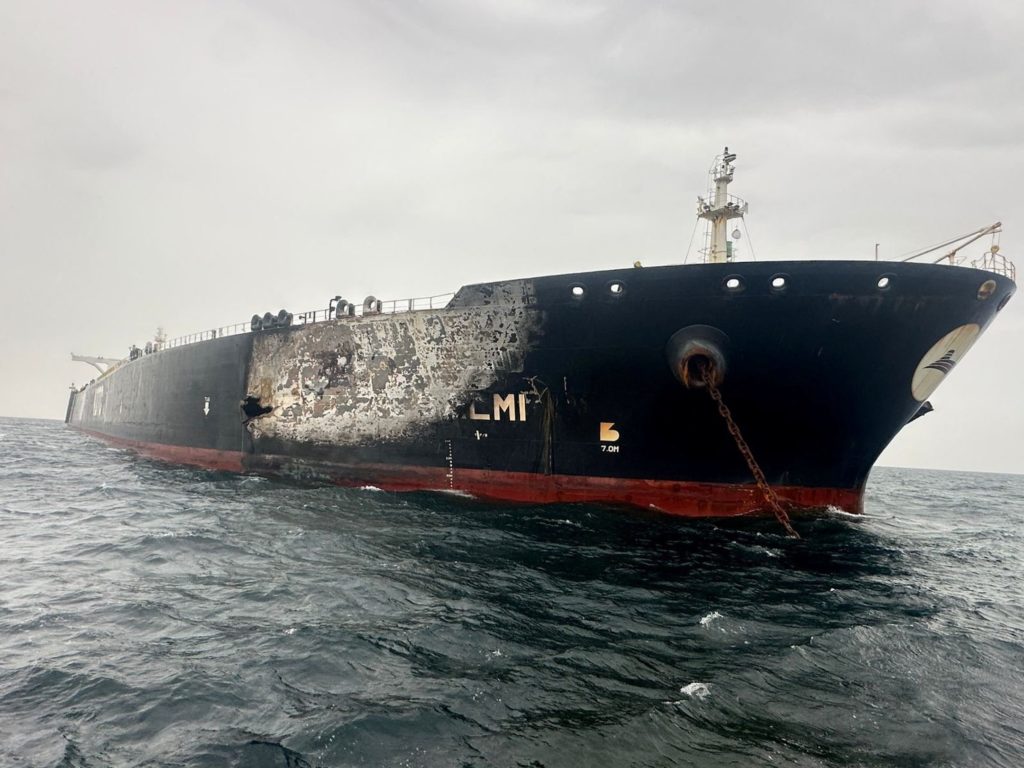
The ongoing **Iran war** has led to a significant disruption in global oil supplies, with the **Strait of Hormuz** being a key chokepoint. **President Trump** has responded to the crisis by telling allies to 'go get your own oil', sparking concerns about the future of international cooperation on energy security. This development has significant implications for the global economy, particularly for countries heavily reliant on oil imports. The situation is further complicated by the presence of **US military assets** in the region, which could potentially escalate tensions with **Iran**. As the situation continues to unfold, it is essential to consider the perspectives of various stakeholders, including **European allies**, **China**, and **Russia**. For more information on the Iran war, visit [[iran-war|Iran War]]. To learn about the Strait of Hormuz, see [[strait-of-hormuz|Strait of Hormuz]].
Key Takeaways
- The Iran war has disrupted global oil supplies and raised concerns about energy security
- The Strait of Hormuz is a critical chokepoint for global oil trade
- Trump's 'go get your own oil' stance has sparked controversy and raised questions about international cooperation on energy security
- The situation has significant implications for the global economy and international relations
- A cooperative approach to addressing global energy challenges is necessary to promote energy security and stability
Balanced Perspective
The current situation highlights the complexities of **global energy politics** and the need for a nuanced approach to addressing the challenges posed by the Iran war. While Trump's statement may be seen as a call to action for **US allies** to diversify their energy sources, it also raises questions about the role of the **US** in maintaining global energy security. A balanced approach would require careful consideration of the interests of all stakeholders, including **oil-producing countries**, **oil-consuming countries**, and **international organizations**. For more information on global energy politics, visit [[global-energy-politics|Global Energy Politics]].
Optimistic View
From a **US perspective**, Trump's stance on oil could be seen as a positive development, as it may lead to increased domestic oil production and reduced reliance on foreign oil. This could also create new opportunities for **US oil companies** to expand their operations and increase their market share. However, this perspective is not shared by all, and the implications of this policy on **global energy security** and **international relations** need to be carefully considered. For more information on US oil companies, visit [[us-oil-companies|US Oil Companies]].
Critical View
From a **global perspective**, Trump's 'go get your own oil' stance could be seen as a highly negative development, as it may lead to increased **energy insecurity** and **instability** in the region. This could have far-reaching consequences, including **higher oil prices**, **reduced economic growth**, and **increased tensions** between **major powers**. The situation highlights the need for a more cooperative approach to addressing global energy challenges, rather than relying on **unilateral actions**. For more information on energy insecurity, visit [[energy-insecurity|Energy Insecurity]].
Source
Originally reported by PBS