
Summary
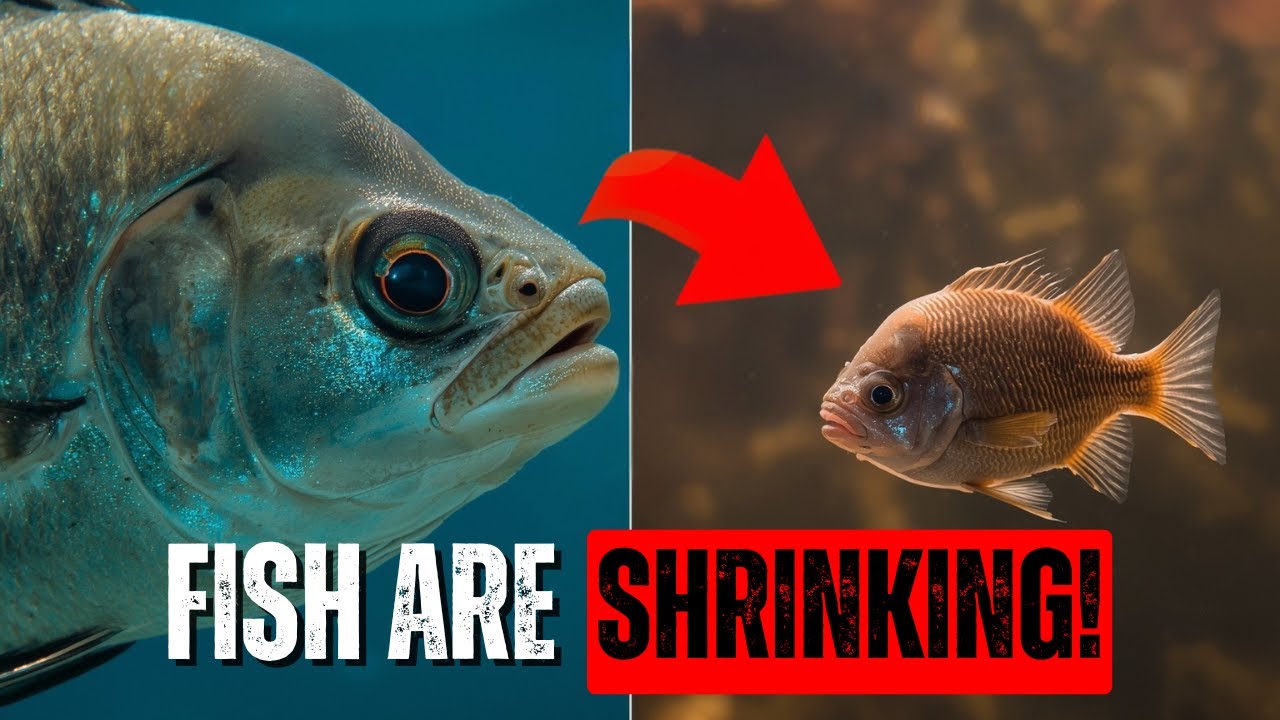
A comprehensive study analyzing nearly 15,000 fish communities worldwide has revealed significant shifts in fish size and food web structures, despite maintaining stable species diversity. The research highlights a trend toward smaller-bodied fish and reorganized feeding relationships, underscoring the complexity of marine ecosystem changes.
Key Takeaways
- The study analyzed 15,000 fish communities globally.
- Fish size reduction and food web shifts occurred despite stable species numbers.
- Ecosystem changes may indicate broader environmental impacts.
- Food security and biodiversity face potential threats.
- Adaptive management strategies are crucial for marine conservation.
Balanced Perspective
The research demonstrates that while fish species numbers remain stable, there are notable shifts in body size and ecosystem dynamics. These findings suggest that ecological health cannot be solely measured by species count, emphasizing the need for broader ecological assessments.
Optimistic View
The study shows that marine ecosystems exhibit remarkable adaptability, maintaining species diversity amidst environmental changes. This resilience offers hope for the oceans' ability to sustain life under stress, potentially leading to new ecological balances that support biodiversity.
Critical View
Smaller fish populations threaten food security and biodiversity, potentially disrupting marine ecosystems. The study raises concerns about cascading effects on marine life and human reliance on fisheries, highlighting urgent need for conservation measures.
Source
Originally reported by phys.org