
Summary
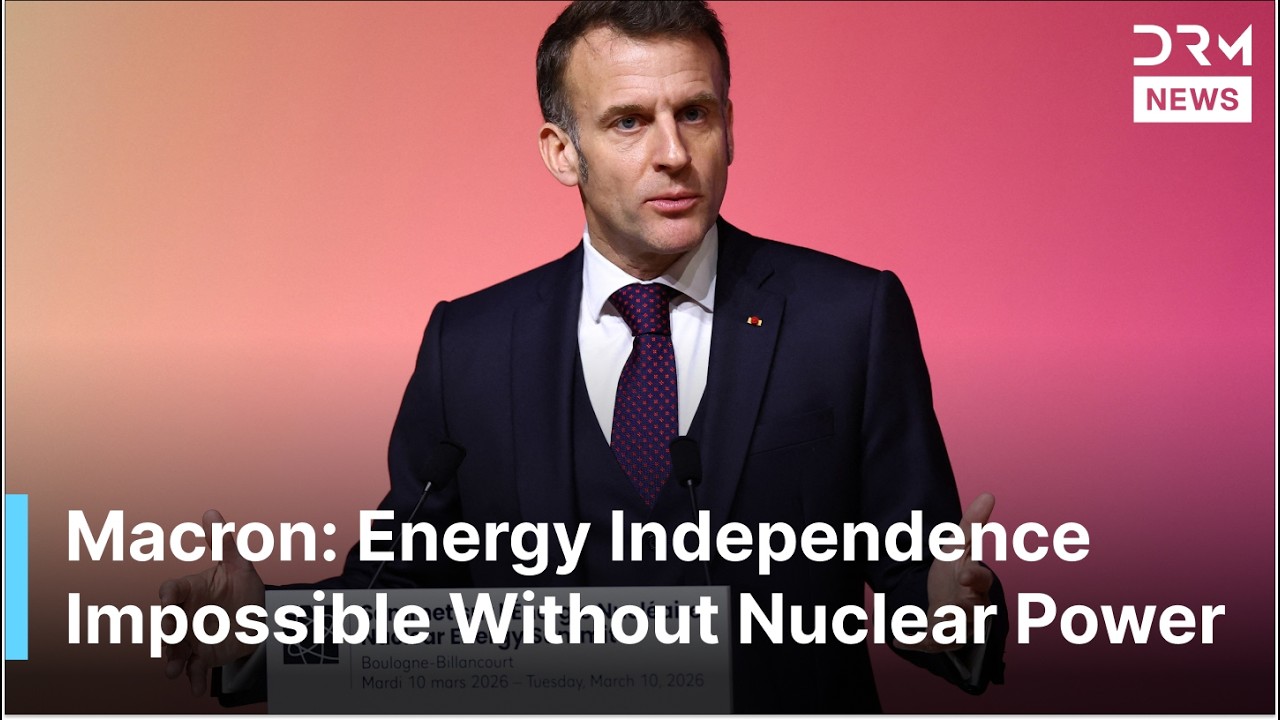
Global leaders convened in Paris for the 2026 Nuclear Energy Summit, reaffirming nuclear power's essential role in addressing climate change, energy security, and affordability. **French President Emmanuel Macron** highlighted nuclear energy's ability to balance energy sovereignty with decarbonization, while **IAEA Director General Rafael Mariano Grossi** emphasized its growing recognition as a cornerstone of low-carbon energy systems. The summit produced two key statements committing to expanded nuclear energy use and stronger international collaboration. However, challenges remain, including safety concerns, high costs, and political opposition in some regions.
Key Takeaways
- Nuclear energy is gaining traction as a critical component of global decarbonization efforts.
- Significant investment and international cooperation are needed to scale nuclear power effectively.
- Public perception and political will remain key barriers to nuclear energy expansion.
- The summit's outcomes highlight both the potential and challenges of nuclear energy.
Balanced Perspective
Nuclear energy currently provides **10% of global electricity**, with 31 countries operating reactors. The summit highlighted its benefits for decarbonization and energy security but acknowledged challenges like high costs, safety concerns, and political resistance. While commitments to expand nuclear capacity exist, the feasibility of tripling nuclear output by 2050 remains uncertain, requiring substantial investment and international coordination.
Optimistic View
Nuclear energy offers a **game-changing solution** to global energy demands and climate goals. With 31 countries already harnessing nuclear power and dozens more exploring it, the potential for widespread adoption is immense. The inclusion of nuclear in the UN Climate Change conference's Global Stocktake marks a significant shift in perception, signaling a future where nuclear power plays a pivotal role in achieving carbon neutrality.
Critical View
Despite optimism, nuclear energy faces significant hurdles. High construction costs, lengthy timelines, and safety risks—like those seen in Fukushima—loom large. Public opposition persists in many regions, and the financial burden of decommissioning old plants adds to the strain. Without breakthroughs in technology and financing, nuclear's promised role in climate solutions may remain aspirational.
Source
Originally reported by International Atomic Energy Agency