
Summary
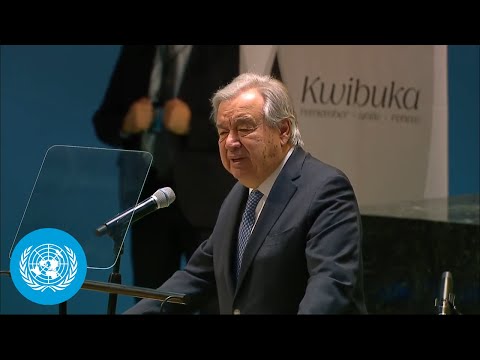
The United Nations marked the 78th anniversary of the 1948 Genocide Convention on December 9, 2025, coinciding with the 10th International Day of Commemoration and Dignity of Genocide Victims.[1][2][7] Experts highlighted achievements in genocide prevention mechanisms, including commemoration efforts from Rwanda and Srebrenica as tools for memory and deterrence.[2] However, persistent challenges in accountability were noted, with calls for vigilance amid ongoing mass atrocities.[1][6]
Key Takeaways
- UN high-level meeting on December 9, 2025, marked the 78th Genocide Convention anniversary and 10th International Day of Commemoration.[1][2]
- Commemoration efforts in Rwanda and Srebrenica highlighted as key to prevention through memory and truth-telling.[2]
- Armenia-led UN resolution secured consensus for accelerated anti-genocide efforts.[3]
- France reaffirmed commitment, citing Armenian and Srebrenica anniversaries amid concerns over persistent atrocities.[1]
- Experts stress ongoing need for investment in prevention, as per the Convention's original vision.[2][6]
Balanced Perspective
The event honored the Genocide Convention's 78th year and the International Day's 10th anniversary, focusing on commemoration's role in prevention and punishment.[1][2][7] Achievements include established mechanisms like UN resolutions and high-level meetings, while challenges persist in addressing current atrocities.[1][6] Facts confirm broad international support via co-sponsorships, but speculation on future efficacy remains unproven without concrete enforcement outcomes.[3][5]
Optimistic View
The 78th anniversary showcases tangible progress, like Armenia's successful UN resolution for a high-level meeting that garnered consensus from all regional groups, signaling unified global momentum.[3] Commemoration initiatives in Rwanda and Bosnia demonstrate how memory-building fosters peace education and reduces denial, proving prevention tools are evolving effectively.[2] France's reaffirmed commitment and tributes to Armenian and Srebrenica victims exemplify growing political courage, offering hope that 'never again' can become reality through sustained solidarity.[1]
Critical View
Despite 78 years, the 'never again' pledge rings hollow as mass atrocities intensify, with history's painful anniversaries like Armenian (110th) and Srebrenica (30th) underscoring repeated failures.[1] Accountability gaps loom large, as calls for action from coalitions like R2P yield statements but little enforcement against ongoing crimes.[5][6] Overlooked is the international community's vigilance deficit, where commemoration risks becoming performative ritual amid rising denial and glorification of perpetrators.[2]
Source
Originally reported by un.org