
Summary
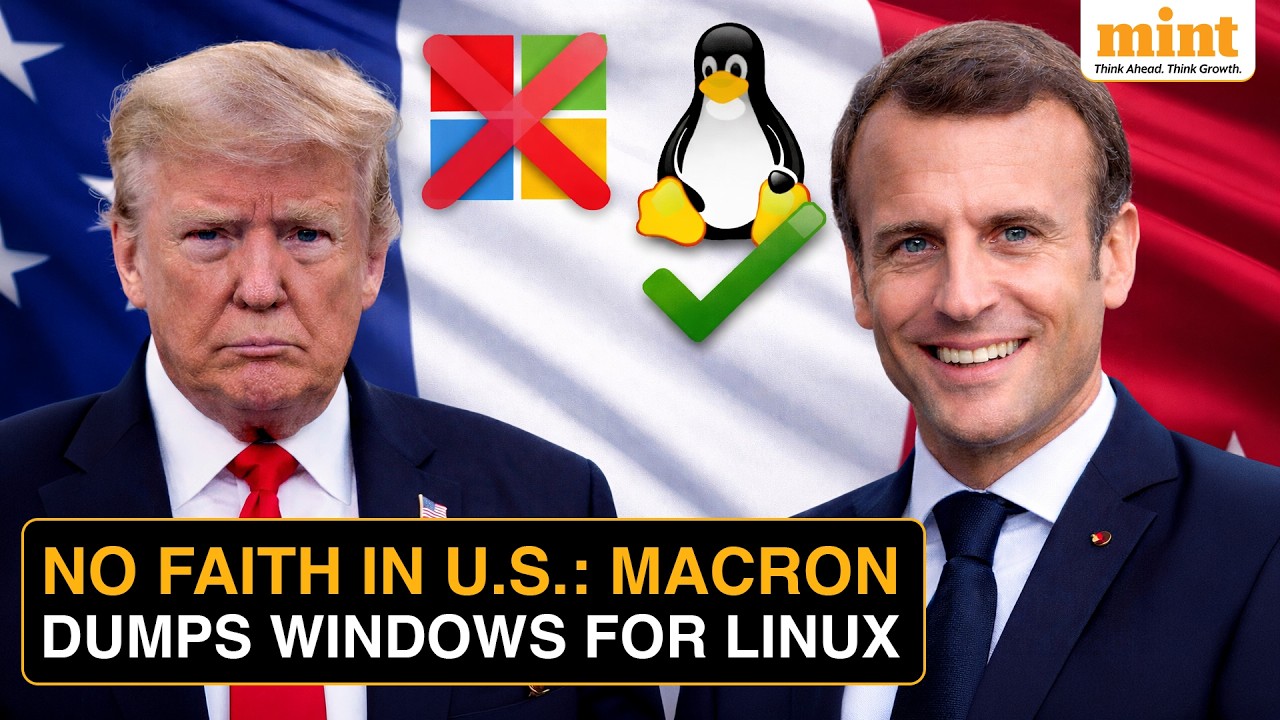
The French government has announced plans to **abandon Windows** in favor of **Linux** operating systems in its agencies. According to **David Amiel**, France's Minister of Public Action and Accounts, the goal is to 'break free' from reliance on American tools. This decision is part of a broader effort to **promote digital sovereignty** and reduce the country's dependence on foreign technology. The move is expected to impact **thousands of government computers** and could potentially inspire other European countries to follow suit. [[france|France]] has been a vocal advocate for **digital independence**, and this move is seen as a significant step towards achieving that goal. The decision may also have implications for **Microsoft**, the company behind Windows, and could potentially lead to increased adoption of **open-source software**.
Key Takeaways
- The French government has announced plans to abandon Windows in favor of Linux operating systems in its agencies
- The decision is part of a broader effort to promote digital sovereignty and reduce dependence on foreign technology
- The move may have significant implications for Microsoft and the adoption of open-source software
- The decision may also have implications for European Union policies on digital sovereignty
- The transition may be complex and require significant investment in training and support
Balanced Perspective
The French government's decision to switch to **Linux** is a significant development, but its impact remains to be seen. While the move may promote **digital sovereignty** and reduce reliance on American tools, it also poses **technical challenges** and may require significant investment in **training and support**. The decision may also have implications for **Microsoft**, which could potentially lose a significant customer. However, it's also possible that the company will adapt to the changing landscape and find new opportunities. As the situation unfolds, it will be important to monitor the **progress and challenges** faced by the French government in implementing this change. [[european-union|European Union]] policies on digital sovereignty may also be impacted by this decision.
Optimistic View
This move is a **bold step towards digital independence** for France, and could potentially inspire other countries to follow suit. By adopting **Linux**, the French government is promoting **open-source software** and reducing its reliance on American tech giants. This decision could also lead to increased **security** and **flexibility** for government agencies, as well as **cost savings** in the long run. As France continues to **develop its own tech industry**, this move could potentially lead to the creation of new **jobs and opportunities**. [[microsoft|Microsoft]] may face challenges as a result of this decision, but it could also prompt the company to **innovate and improve** its products.
Critical View
The French government's decision to abandon **Windows** in favor of **Linux** may be a **costly and complex** process, with significant **technical challenges** and potential **disruptions** to government services. The move may also lead to **compatibility issues** and **security risks**, particularly if the transition is not managed carefully. Additionally, the decision may have **unintended consequences**, such as **alienating American tech companies** and potentially **limiting access** to certain software and technologies. As the French government navigates this transition, it will be important to carefully consider the **potential risks and benefits**. [[digital-sovereignty|Digital sovereignty]] is a complex issue, and this move may not be the solution that France is hoping for.
Source
Originally reported by PCMag