
Summary
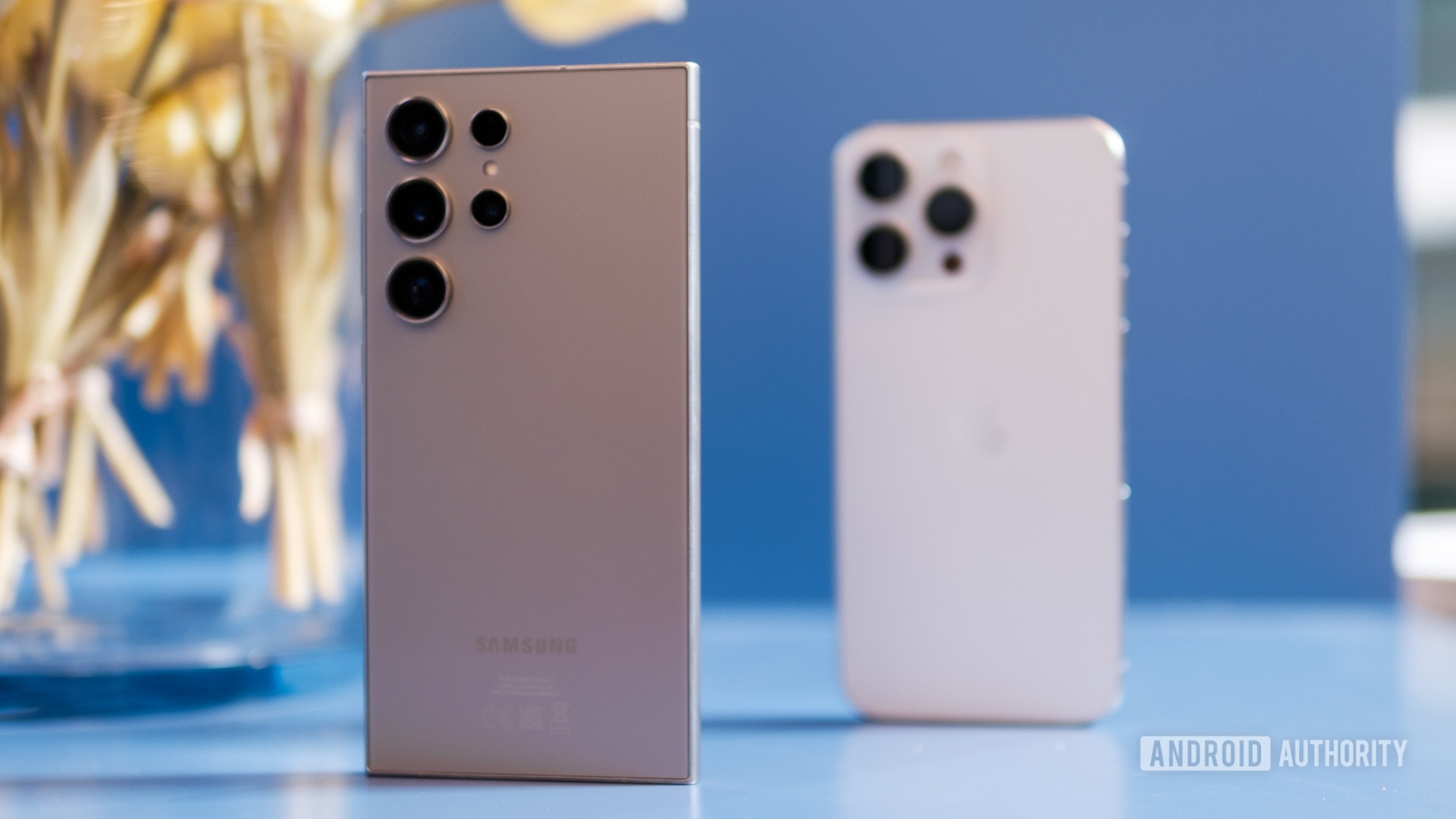
In a **US antitrust case**, **Apple** has requested internal **Samsung** data to understand how people switch between **iPhone** and **Android** devices. This move aims to demonstrate that Apple's practices are not anti-competitive. The data will likely include information on **switching rates**, **user demographics**, and **device preferences**. As the case unfolds, it may have significant implications for the **tech industry**, particularly in regards to **competition** and **consumer choice**. The request has sparked interest in the **mobile market**, with many wondering how **Samsung** will respond to the request. The outcome of this case may influence the future of **mobile device manufacturing** and **operating system development**. For more information, see [[apple|Apple]], [[samsung|Samsung]], and [[antitrust-laws|Antitrust Laws]].
Key Takeaways
- Apple has requested internal Samsung data on iPhone to Android switching patterns
- The request is part of a US antitrust case
- The outcome of the case could have significant implications for the tech industry and consumer choice
- The case highlights the importance of competition and transparency in the tech industry
- Regulators and industry leaders should work together to establish clear guidelines and standards for antitrust cases
Balanced Perspective
The request for **Samsung's data** is a standard procedure in **antitrust cases**, and it remains to be seen how the data will be used. **Apple** may use the data to support its claims, but it is also possible that the data could be used to argue against the company's practices. The outcome of the case will depend on various factors, including the **quality of the data** and the **arguments presented** by both sides. To understand the nuances of the case, visit [[antitrust-case-procedure|Antitrust Case Procedure]] and [[data-analysis-in-antitrust-cases|Data Analysis in Antitrust Cases]].
Optimistic View
This development could lead to increased **transparency** in the tech industry, allowing consumers to make more informed decisions about their mobile devices. With access to **Samsung's data**, **Apple** may be able to demonstrate that its practices are indeed competitive, potentially leading to a more **level playing field**. This could ultimately benefit **consumers**, who may see more innovative products and services as a result. For a deeper understanding of the potential benefits, see [[consumer-choice|Consumer Choice]] and [[competition-in-tech|Competition in Tech]].
Critical View
This move by **Apple** could be seen as an attempt to **intimidate** or **manipulate** the competition, potentially stifling **innovation** in the tech industry. If **Samsung** is forced to provide sensitive data, it could compromise the company's **competitive advantage**, leading to a **monopolistic market**. This could have negative consequences for **consumers**, who may see fewer choices and higher prices as a result. For a more detailed analysis of the potential risks, see [[monopoly-in-tech|Monopoly in Tech]] and [[innovation-in-the-tech-industry|Innovation in the Tech Industry]].
Source
Originally reported by Android Authority