
Summary
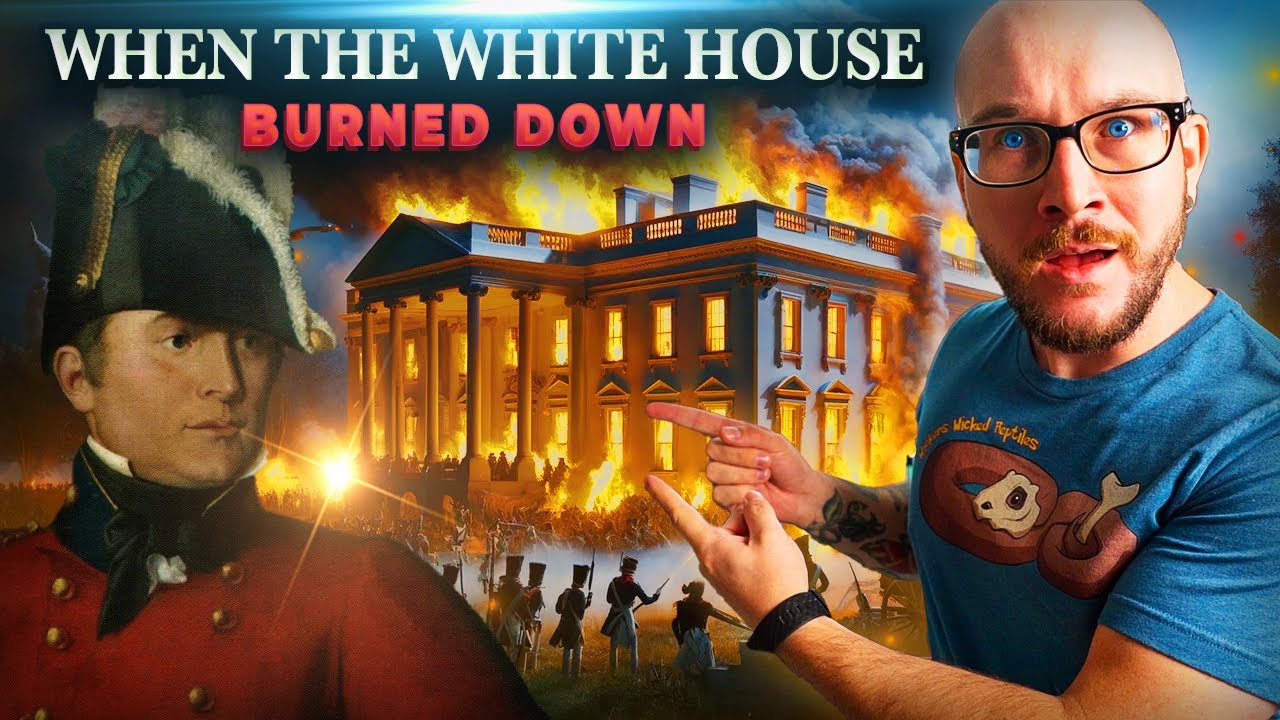
The **War of 1812** was a complex conflict that involved various parties, including the **United States**, **United Kingdom**, and **British North America**. The war had significant consequences, including the burning of the **White House**. To understand the war's impact, it's crucial to examine the historical context, including the **Treaty of Paris** and the **Seven Years' War**. The **War of 1812** also had a profound effect on the development of **Canada** and the **United States**. For more information on the **War of 1812** and its consequences, visit [[war-of-1812|War of 1812]]. The **United States** and **Canada** have a long and complex history, with the **War of 1812** being a significant event. To learn more about the relationship between the **United States** and **Canada**, check out [[united-states-canada-relations|United States-Canada Relations]].
Key Takeaways
- The British Army, not Canada, burned down the White House during the War of 1812
- Canada did not exist as an independent nation during the War of 1812
- The War of 1812 was a complex conflict that involved various parties, including the United States, United Kingdom, and British North America
- The war had significant consequences, including the burning of the White House and the development of Canada and the United States
- Understanding the true circumstances surrounding the burning of the White House is essential for a nuanced understanding of American and Canadian history
Balanced Perspective
The notion that **Canada** burned down the **White House** is a common misconception that has been perpetuated for centuries. However, a closer examination of the historical record reveals that it was, in fact, the **British Army** that carried out the attack. This distinction is important, as it highlights the complex relationships between the **United States**, **United Kingdom**, and **British North America** during the **War of 1812**. By understanding the historical context, we can gain a more nuanced understanding of the war and its significance. For more information on the **War of 1812**, check out [[war-of-1812|War of 1812]]. The **British Army**'s involvement in the war was a result of the complex relationships between the **United States**, **United Kingdom**, and **British North America**. To learn more about the **British Army**'s role, visit [[british-army|British Army]].
Optimistic View
The debunking of the myth that **Canada** burned down the **White House** is a positive step towards a more accurate understanding of history. By recognizing the **British Army**'s involvement, we can work towards a more nuanced understanding of the **War of 1812** and its significance in American and Canadian history. This newfound understanding can also help to strengthen relations between the **United States** and **Canada**, as we move forward with a more informed perspective. For example, the **United States** and **Canada** can learn from their shared history and work together to address common challenges. To learn more about the **United States** and **Canada**'s shared history, visit [[united-states-canada-relations|United States-Canada Relations]].
Critical View
The myth that **Canada** burned down the **White House** has been so deeply ingrained in popular culture that it may be difficult to correct. This misconception has likely contributed to lingering tensions between the **United States** and **Canada**, and may have even influenced the way we think about our shared history. Furthermore, the fact that this myth has been allowed to persist for so long raises questions about the accuracy of our historical narratives and the ways in which we present the past to the public. For example, the **War of 1812** is often oversimplified or misrepresented in popular culture, which can lead to a lack of understanding about the complex historical context. To learn more about the **War of 1812** and its complexities, visit [[war-of-1812|War of 1812]]. The **United States** and **Canada** have a long and complex history, with the **War of 1812** being a significant event. To learn more about the relationship between the **United States** and **Canada**, check out [[united-states-canada-relations|United States-Canada Relations]].
Source
Originally reported by worldatlas.com