
Summary
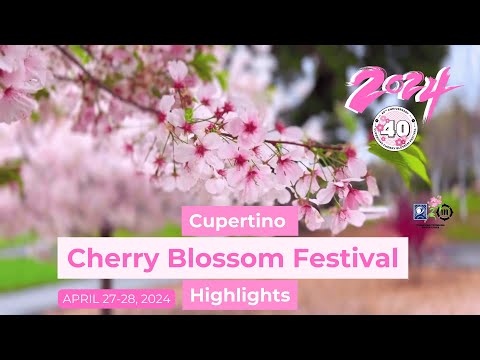
Cupertino recently hosted its 41st annual Cherry Blossom Festival at Memorial Park, drawing thousands of attendees. The event celebrates the city's long-standing sister-city relationship with Toyokawa, Japan, and features a variety of cultural performances, food, and activities. This year marked another successful iteration of the festival, highlighting Japanese traditions and community engagement.
Key Takeaways
- Cupertino held its 41st annual Cherry Blossom Festival at Memorial Park.
- The festival celebrates Cupertino's sister-city relationship with Toyokawa, Japan.
- Thousands of people attended the event, which featured Japanese cultural performances and food.
- The festival highlights community engagement and cross-cultural exchange.
- It has been a long-standing tradition in Cupertino for over four decades.
Balanced Perspective
The 41st annual Cherry Blossom Festival in Cupertino took place at Memorial Park, attracting a significant number of visitors. The event served its stated purpose of celebrating the sister-city relationship with Toyokawa, Japan, and offered various cultural activities. While the exact economic impact or detailed demographic breakdown of attendees is not specified, the festival consistently draws crowds and provides a platform for cultural presentation and community gathering.
Optimistic View
The continued success and high attendance of Cupertino's Cherry Blossom Festival demonstrate a vibrant community committed to cultural exchange and international friendship. This annual event not only enriches local residents with exposure to Japanese traditions but also strengthens diplomatic ties at a grassroots level, fostering mutual understanding and appreciation. The festival's longevity, now in its 41st year, is a testament to its positive impact and potential for continued growth as a beloved community staple.
Critical View
While seemingly a positive event, the Cherry Blossom Festival, like many cultural celebrations, risks becoming a superficial display if not accompanied by deeper engagement with the sister-city relationship and Japanese culture. Without ongoing educational initiatives or more substantive exchanges beyond the annual festival, the event could be seen as merely a seasonal attraction rather than a meaningful bridge between cultures. There's also the potential for over-commercialization to dilute the authentic cultural experience if not carefully managed.
Source
Originally reported by ktvu.com