
Summary
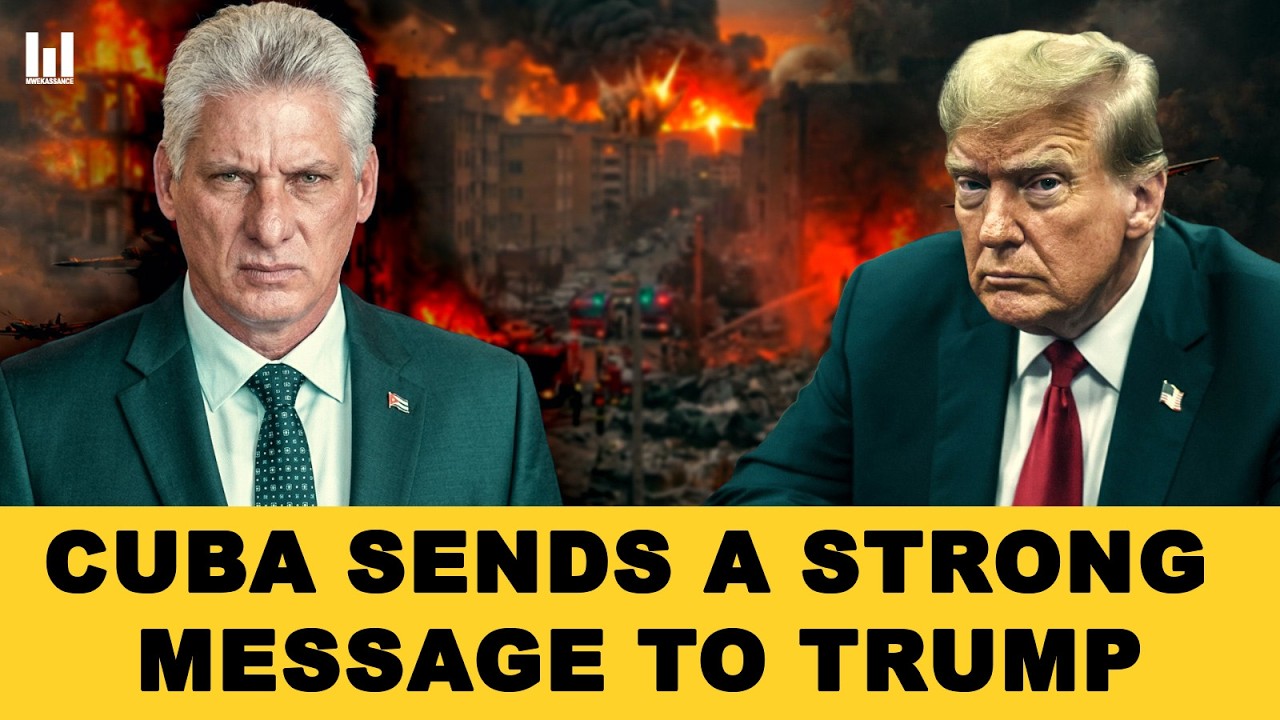
In a **bold** move, **Cuban President Miguel Díaz-Canel** has acknowledged that his government has been in talks with the **Trump Administration**. The discussions, which have been ongoing, are centered around the US potentially lifting some of the economic sanctions that have been in place against Cuba for decades. This development comes as Cuba is facing a severe fuel shortage, with **President Díaz-Canel** stating that the talks are based on "respect for the political systems" of both countries. The news has significant implications for the future of **US-Cuba relations**, with potential benefits for both nations. As reported by the **New York Times**, the talks have been driven by Cuba's desperate need for oil, with the country's fuel reserves rapidly dwindling. The **US** has been a key player in the global oil market, and a deal between the two nations could have significant economic benefits for Cuba. The talks also highlight the complexities of **international diplomacy**, where nations with differing ideologies and interests can find common ground. The **Trump Administration** has been known for its hardline stance on Cuba, but the current situation has created an opportunity for cooperation. As the situation continues to unfold, it will be important to watch how the talks progress and what the ultimate outcome will be. For more information on the history of **US-Cuba relations**, see [[us-cuba-relations|US-Cuba Relations]].
Key Takeaways
- The Cuban government and the Trump Administration are in talks about potentially lifting economic sanctions
- The talks are centered around the US potentially lifting some of the economic sanctions against Cuba
- Cuba is facing a severe fuel shortage, which has driven the talks
- The talks have significant implications for the future of US-Cuba relations
- The outcome of the talks is uncertain, and there are concerns about the human rights situation in Cuba
Balanced Perspective
The talks between the **Cuban government** and the **Trump Administration** are a complex and multifaceted issue. While the potential for cooperation and mutual benefit exists, there are also significant challenges and uncertainties. The **US** has a long history of imposing economic sanctions on Cuba, and it is unclear whether the current administration is willing to lift these sanctions. Additionally, there are concerns about the human rights situation in Cuba and the potential for the Cuban government to use any economic benefits from a deal to further suppress dissent. As reported by **human rights organizations**, such as **Amnesty International**, the situation in Cuba is complex and multifaceted. For more information on the **human rights situation in Cuba**, see [[human-rights-in-cuba|Human Rights in Cuba]].
Optimistic View
The talks between the **Cuban government** and the **Trump Administration** represent a significant opportunity for cooperation and mutual benefit. A potential deal could lead to the lifting of economic sanctions, which would have a positive impact on the Cuban economy and improve the lives of its citizens. Additionally, the talks demonstrate that even nations with differing ideologies can find common ground and work towards a common goal. As noted by **Cuban President Miguel Díaz-Canel**, the talks are based on "respect for the political systems" of both countries, which is a positive step towards greater understanding and cooperation. For more information on the potential benefits of **US-Cuba cooperation**, see [[cuba-us-cooperation|US-Cuba Cooperation]].
Critical View
The talks between the **Cuban government** and the **Trump Administration** are unlikely to lead to any significant benefits for the Cuban people. The **US** has a history of using economic sanctions as a tool of foreign policy, and it is unlikely that the current administration will lift these sanctions without significant concessions from the Cuban government. Additionally, the Cuban government has a poor human rights record, and any economic benefits from a deal are likely to be used to further suppress dissent and maintain the government's grip on power. As noted by **critics of the Cuban government**, the talks are likely to be used as a way for the government to maintain its power and control over the population. For more information on the **criticisms of the Cuban government**, see [[criticisms-of-cuban-government|Criticisms of Cuban Government]].
Source
Originally reported by The New York Times