
Summary
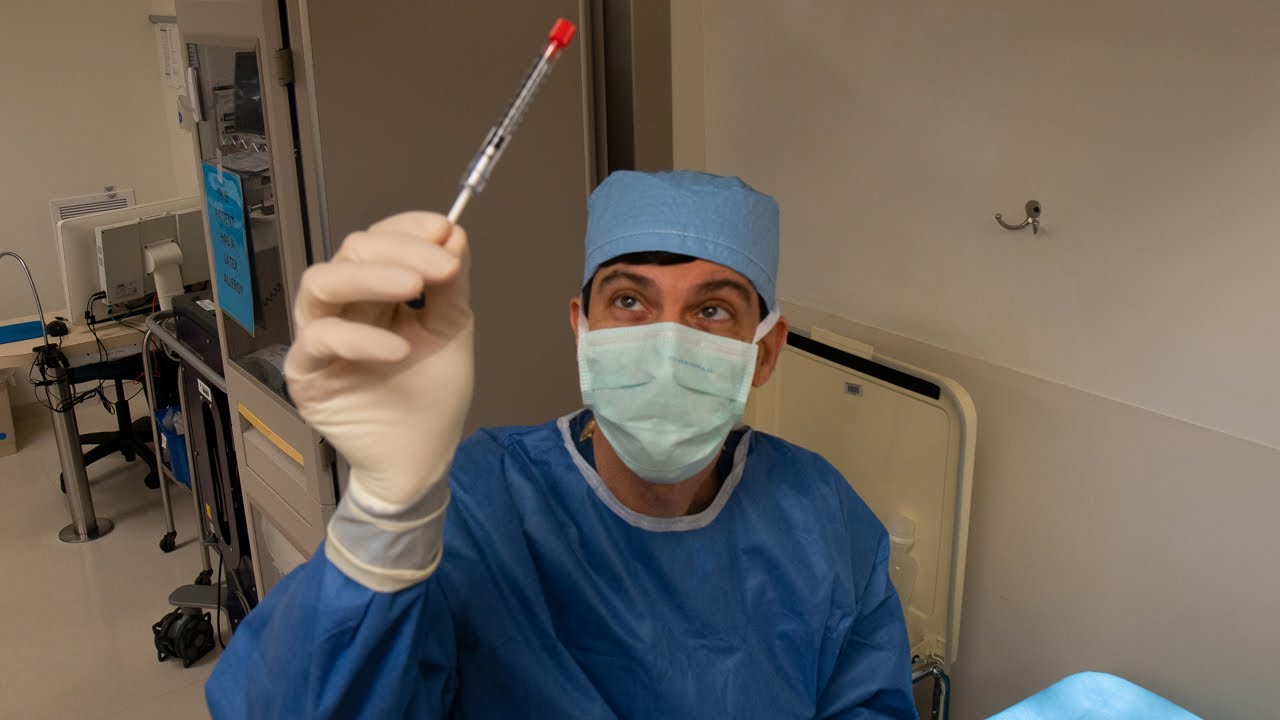
A recent clinical trial utilizing CRISPR gene-editing technology has demonstrated significant vision improvement in several patients suffering from Leber congenital amaurosis (LCA), an inherited form of blindness. This marks a crucial milestone as it's one of the first human trials to show tangible benefits from in-vivo CRISPR editing for a genetic disease. The treatment involved directly injecting the CRISPR-Cas9 system into the eye to correct the genetic mutation responsible for LCA.
Key Takeaways
- CRISPR gene editing has shown significant vision improvement in human trials for Leber congenital amaurosis.
- This marks a landmark achievement for in-vivo gene editing, directly correcting genetic mutations within the body.
- The treatment involves injecting the CRISPR-Cas9 system directly into the eye.
- While promising, long-term safety and efficacy data are still being collected.
- This success could open doors for treating a wider range of inherited genetic diseases.
Balanced Perspective
The initial results from the CRISPR trial for Leber congenital amaurosis are promising, showing some participants experienced improved vision. While these early findings are encouraging, it's important to note that the trial is still ongoing, and the long-term efficacy and safety are yet to be fully established. The improvements observed are significant for the individuals involved, but the extent to which this can be generalized to all LCA patients or other genetic conditions remains to be seen.
Optimistic View
This trial represents a monumental step forward for gene therapy and the potential of CRISPR technology. The ability to directly correct genetic mutations within the body offers hope for countless individuals suffering from previously untreatable inherited diseases. The reported vision improvements, even if partial, suggest a pathway to restoring function and significantly enhancing quality of life, potentially paving the way for cures for a wide range of genetic conditions beyond blindness.
Critical View
While any vision improvement is positive, the long-term implications and potential side effects of in-vivo CRISPR editing are still largely unknown. There's a risk of off-target edits, immune responses, or other unforeseen complications that could manifest years down the line. Furthermore, the high cost and accessibility of such advanced therapies could create significant ethical dilemmas, potentially exacerbating healthcare inequalities and making these life-changing treatments available only to a select few.
Source
Originally reported by nbcnews.com