
Summary
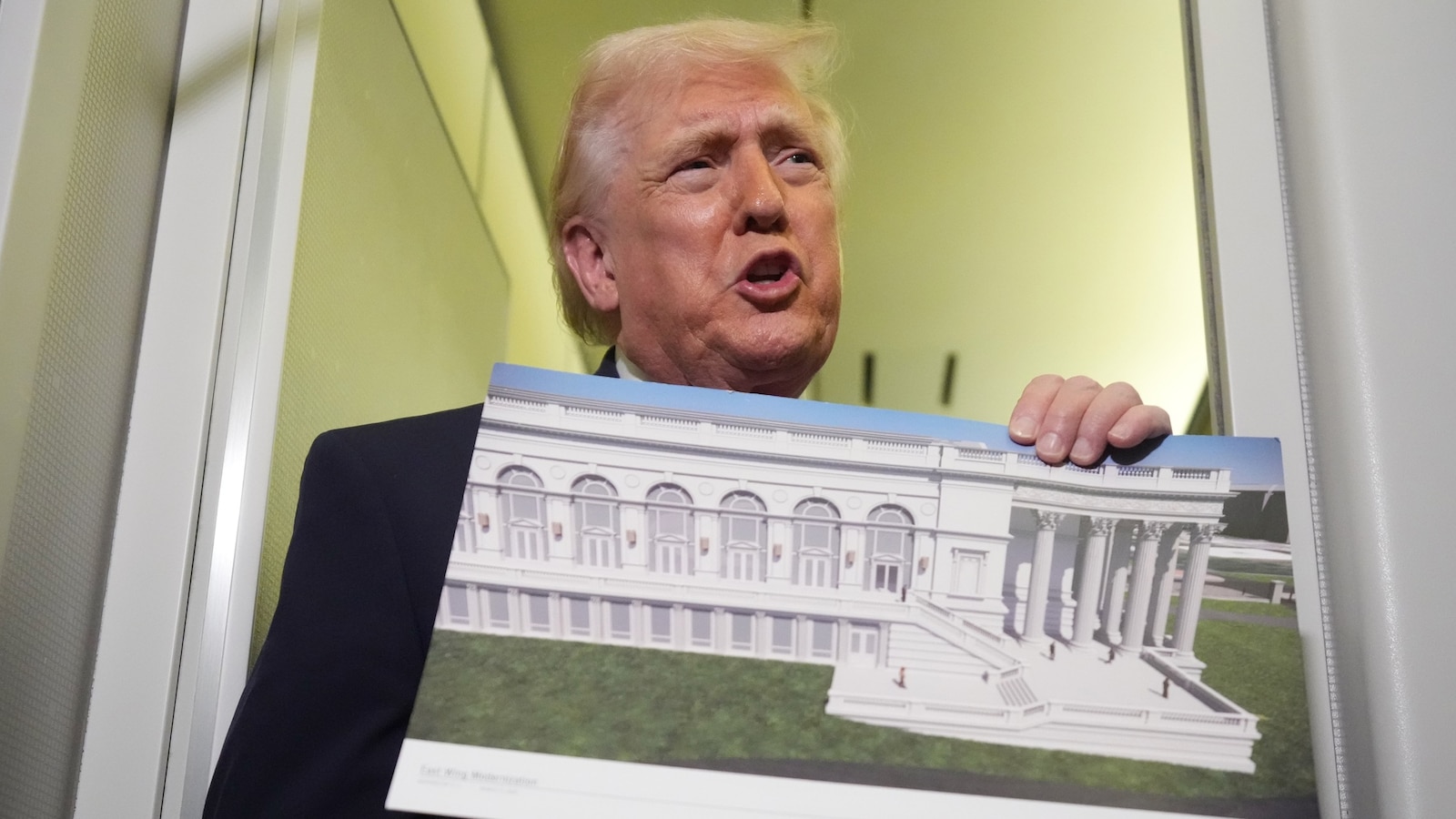
The judge's decision has significant implications for the Trump administration's plans to renovate the White House. The **construction project** has been estimated to cost millions of dollars, and the judge's ruling may delay or even halt the project altogether. As the situation develops, it will be important to watch how the Trump administration responds to the ruling and whether they will seek to appeal the decision. The ruling also highlights the importance of **Congressional oversight** and the need for **transparency** in government spending. [[congress|Congress]] has a critical role to play in ensuring that the White House's renovation plans are subject to proper scrutiny and oversight. The debate over the White House ballroom construction project is likely to continue in the coming weeks and months, with many watching to see how the situation unfolds.
Key Takeaways
- A federal judge has ruled that the Trump administration cannot proceed with the construction of a new White House ballroom without obtaining authorization from Congress
- The construction project has been estimated to cost millions of dollars
- The judge's ruling may have broader implications for the role of judicial oversight in checking the power of the executive branch
- The ruling highlights the importance of transparency and accountability in government
- The Trump administration may appeal the judge's ruling or seek to obtain Congressional approval for the construction project
Balanced Perspective
The judge's ruling is a significant development in the debate over the White House ballroom construction project. While the ruling may delay or halt the project, it is also possible that the Trump administration will seek to appeal the decision. The ruling highlights the complex and often contentious relationship between the **executive branch** and **Congress**. [[executive-branch|Executive branch]] officials may argue that the judge's ruling is an overreach of **judicial power**, while **Congress** may see the ruling as a necessary check on the executive branch's authority. The situation is likely to continue to evolve in the coming weeks and months, with many watching to see how the Trump administration responds to the ruling.
Optimistic View
The judge's ruling is a significant victory for **transparency** and **accountability** in government. By requiring **Congressional approval** for the construction project, the judge is ensuring that the Trump administration is held to a higher standard of accountability and that the project is subject to proper oversight. This decision may also have broader implications for the role of **judicial oversight** in checking the power of the executive branch. [[judicial-oversight|Judicial oversight]] is an essential component of a healthy democracy, and this ruling may help to establish important precedents for future cases. The ruling may also lead to greater **transparency** in government spending, as the Trump administration will be required to provide more detailed information about the construction project and its costs.
Critical View
The judge's ruling is a significant setback for the Trump administration's plans to renovate the White House. The decision may lead to significant delays or even the cancellation of the construction project, which could have negative implications for the White House's ability to host foreign dignitaries and other events. The ruling may also have broader implications for the Trump administration's **executive power**, as it may limit their ability to unilaterally undertake large-scale construction projects. [[executive-power|Executive power]] is a critical component of the presidency, and this ruling may raise questions about the limits of the president's authority. The ruling may also lead to increased **partisanship** and **gridlock** in Washington, as the Trump administration and **Congress** may become more entrenched in their positions.
Source
Originally reported by ABC News