
Summary
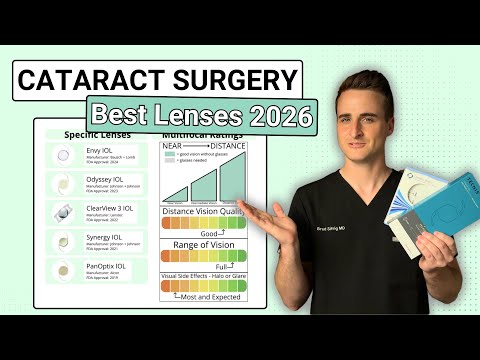
Cataract surgery in 2026 features bladeless femtosecond laser techniques for cleaner incisions and lens fragmentation, alongside advanced intraocular lenses (IOLs) like light-adjustable, trifocal, EDOF, and toric options.[1][2] These innovations aim to personalize vision correction, reduce complications, and minimize glasses dependence, building on already highly successful procedures.[1][3] Patients must weigh lifestyle needs, costs, and trade-offs like halos or follow-up visits when choosing between standard monofocal and premium lenses.[2][4]
Key Takeaways
- Bladeless femtosecond lasers enhance incision accuracy and lens breakup for safer surgery.
- Light-adjustable IOLs allow post-op UV tuning for personalized correction but require follow-ups.
- Premium lenses like trifocals and EDOF reduce glasses need but may cause halos or glare.
- Monofocal IOLs remain insurance-covered basics for clear distance vision.
- Choice depends on lifestyle, astigmatism, budget, and surgeon expertise—consult early.
Balanced Perspective
Current data shows cataract surgery remains one of medicine's safest procedures, with 2026 refinements like AI planning and premium IOLs focusing on consistency rather than overhaul.[1][3] Options span monofocal for distance vision, multifocals for range, and torics for astigmatism, each with defined benefits and drawbacks like glare or extra costs not always covered by insurance.[2][8] Surgeons emphasize personalized consultations to match lenses to eye health and goals, as outcomes vary by individual factors without guaranteed spectacle independence.[4][6]
Optimistic View
Bladeless lasers and light-adjustable IOLs promise unprecedented precision and post-surgery customization, potentially delivering glasses-free vision across distances for most patients.[1][2] With FDA-approved trifocals like FineVision HP showing 95% satisfaction rates and ringless designs eliminating halos, 2026 marks a golden era where cataracts become a quick upgrade to superior sight.[5] This evolution empowers active lifestyles, from driving at night to reading fine print, making surgery a thrilling vision reboot rather than a necessity.
Critical View
Premium IOLs like multifocals often introduce persistent halos, glare, and reduced contrast, frustrating patients who expected perfect vision despite surgeon warnings.[3][4] High costs for light-adjustable lenses demand multiple visits and UV glasses, while waiting for '2026 tech' risks worsening cataracts and lost quality of life now.[3] Overhyped innovations overlook that not all eyes suit advanced lenses, leading to regrets, lens exchanges, or suboptimal results in real-world use.[5][7]
Source
Originally reported by floridaeyespecialists.com