
Summary
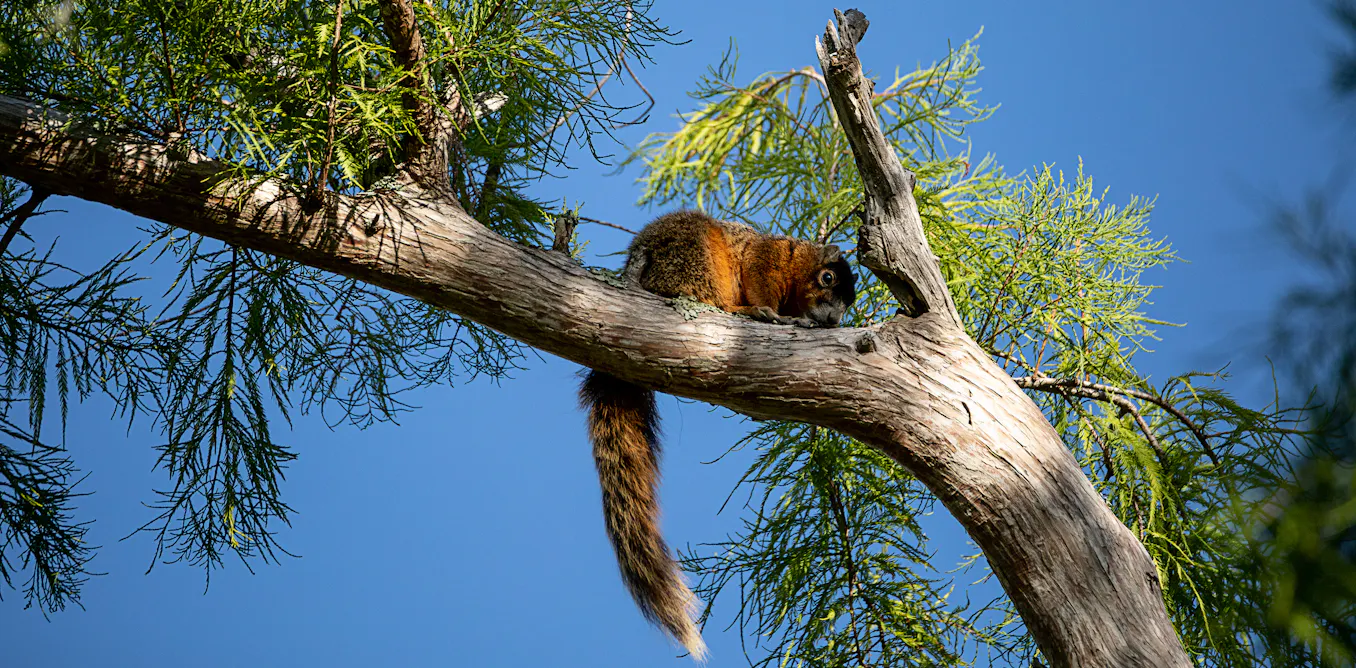
The **Big Cypress fox squirrel** is facing a significant threat to its habitat due to urban and suburban development in Florida. However, researchers like **Eve Bohnett** from the **University of Florida** suggest that better urban design could help save this species. By incorporating **wildlife corridors** and **green spaces** into urban planning, it may be possible to reduce the fragmentation of the squirrel's habitat and promote its survival. This approach could also have benefits for other species and ecosystems. For more information on urban planning and wildlife conservation, see [[urban-planning|Urban Planning]] and [[wildlife-conservation|Wildlife Conservation]]. The **Big Cypress National Preserve** is one area where conservation efforts are underway. The **Endangered Species Act** also plays a crucial role in protecting threatened species like the Big Cypress fox squirrel.
Key Takeaways
- The Big Cypress fox squirrel is a threatened species in Florida
- Urban and suburban development are major threats to the squirrel's habitat
- Better urban design could help reduce habitat fragmentation and promote conservation
- Conservation efforts will require a comprehensive and sustained approach
- Individuals and communities can support conservation efforts through donations, volunteering, and advocacy
Balanced Perspective
The idea of using better urban design to save the **Big Cypress fox squirrel** is an interesting one, but it is not without its challenges. For example, **urban development** is often driven by economic and social factors, and **conservation efforts** may need to be balanced against these competing interests. Additionally, the **Big Cypress fox squirrel** is just one of many species that are affected by urbanization, and a comprehensive approach to conservation will be needed to address the needs of all these species. For more information on urban development and conservation, see [[urban-development|Urban Development]] and [[conservation-efforts|Conservation Efforts]]. The **US Fish and Wildlife Service** is one organization that is working to balance these competing interests.
Optimistic View
The use of better urban design to save the **Big Cypress fox squirrel** is a promising approach that could have significant benefits for the species and the environment. By working together, researchers, policymakers, and community members can create **sustainable urban environments** that support biodiversity and promote ecosystem health. For example, the city of **Miami** has implemented a **green infrastructure** plan that includes the creation of **urban parks** and **wildlife corridors**. This approach could serve as a model for other cities in Florida and beyond. See [[miami|Miami]] and [[green-infrastructure|Green Infrastructure]] for more information.
Critical View
The use of better urban design to save the **Big Cypress fox squirrel** may be a well-intentioned effort, but it may not be enough to address the significant threats facing this species. **Habitat fragmentation** and **urbanization** are complex problems that will require a comprehensive and sustained approach to solve. Additionally, the **Big Cypress fox squirrel** is just one of many species that are affected by human activities, and a broader approach to conservation will be needed to address the needs of all these species. For more information on habitat fragmentation and urbanization, see [[habitat-fragmentation|Habitat Fragmentation]] and [[urbanization|Urbanization]]. The **World Wildlife Fund** is one organization that is working to address these issues.
Source
Originally reported by theconversation.com