
Summary
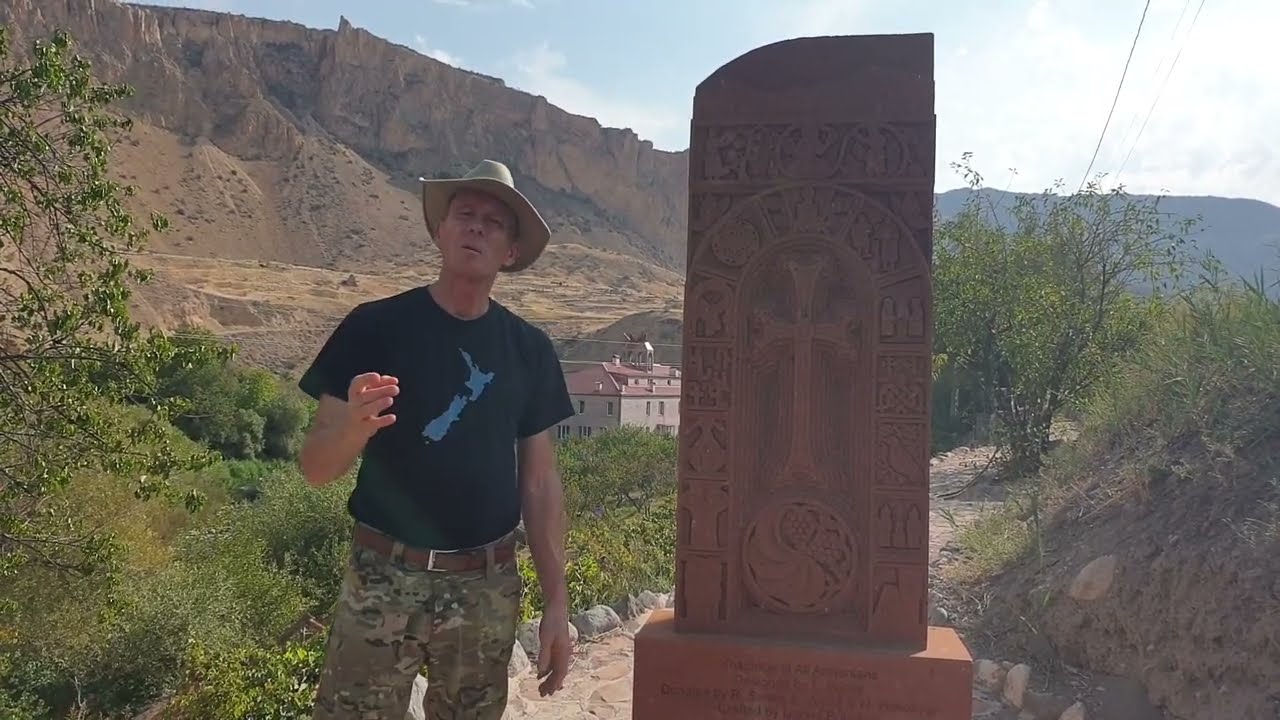
**Azerbaijan**'s recent election to UNESCO's Intergovernmental Committee for Promoting the Return of Cultural Property (**ICPRCP**) has ignited fierce debate. The **Armenian Bar Association** condemns the decision, citing **Azerbaijan's** systematic destruction of **Armenian** cultural sites in **Artsakh** (Nagorno-Karabakh), including the demolition of **khachkars** and religious monuments. [[~1954-hague-convention|1954 Hague Convention]] and [[~1970-convention|1970 UNESCO Convention]] obligations are allegedly violated, per **Cornell University's Caucasus Heritage Watch** and **ACLED** data showing **80+ Armenian sites** destroyed since 2021. [[~international-court-of-justice|ICJ]] ordered Azerbaijan to protect heritage, but compliance remains unmet. [[~unescos-committee|UNESCO's ICPRCP]] now faces credibility challenges. **Armenian** advocates demand UNESCO reconsider its stance, while **Azerbaijan** maintains its position. [[~artsakh|Artsakh]] remains a flashpoint for cultural preservation debates.
Key Takeaways
- Azerbaijan's election to UNESCO's cultural restitution committee is contested due to documented destruction of Armenian heritage in Artsakh
- Cornell University and ACLED have provided empirical evidence of state-sponsored cultural erasure in the region
- The International Court of Justice has ordered Azerbaijan to protect Armenian cultural sites, but compliance remains unverified
- UNESCO faces a credibility crisis if it legitimizes Azerbaijan's actions under the guise of international cooperation
- The issue highlights the intersection of cultural preservation and geopolitical conflict
Balanced Perspective
**Azerbaijan's** election to the **ICPRCP** is a political decision by UNESCO member states, with documented **cultural destruction** in **Artsakh** cited as a key concern. **Cornell University's Caucasus Heritage Watch** and **ACLED** have provided **empirical data** on **Armenian** site destruction, while the **International Court of Justice** has issued binding orders. However, **Azerbaijan's** response to these allegations remains unverified, and **UNESCO's** decision-making process is inherently opaque. The **Armenian Bar Association**'s criticism is rooted in **legal precedents**, but **Azerbaijan's** sovereignty and **national interests** are also legitimate considerations.
Optimistic View
**UNESCO** could leverage this controversy to strengthen its **cultural restitution** framework, using Azerbaijan's election as a catalyst for stricter adherence to [[~1954-hague-convention|1954 Hague Convention]] principles. **Armenian** diaspora groups might gain renewed momentum to push for **international accountability**, while **Azerbaijan** could theoretically reform its policies to align with global norms. The **ICPRCP** might ultimately use this as a case study to refine its **cultural property restitution** protocols, ensuring future elections prioritize **ethical compliance** over political expediency.
Critical View
**Azerbaijan's** inclusion risks normalizing **cultural erasure** under the guise of international cooperation. The **ICPRCP** could become a tool for **Azerbaijan** to legitimize its **territorial claims** in **Artsakh**, while **UNESCO** faces accusations of **political bias**. **Armenian** heritage destruction has been **systematic**, with **state-sponsored policies** documented by **independent researchers**. If **Azerbaijan** continues to ignore **international rulings**, the **ICPRCP** may lose credibility as a **cultural restitution** body, undermining its mission to protect **global heritage**.
Source
Originally reported by oragark.com