
Summary
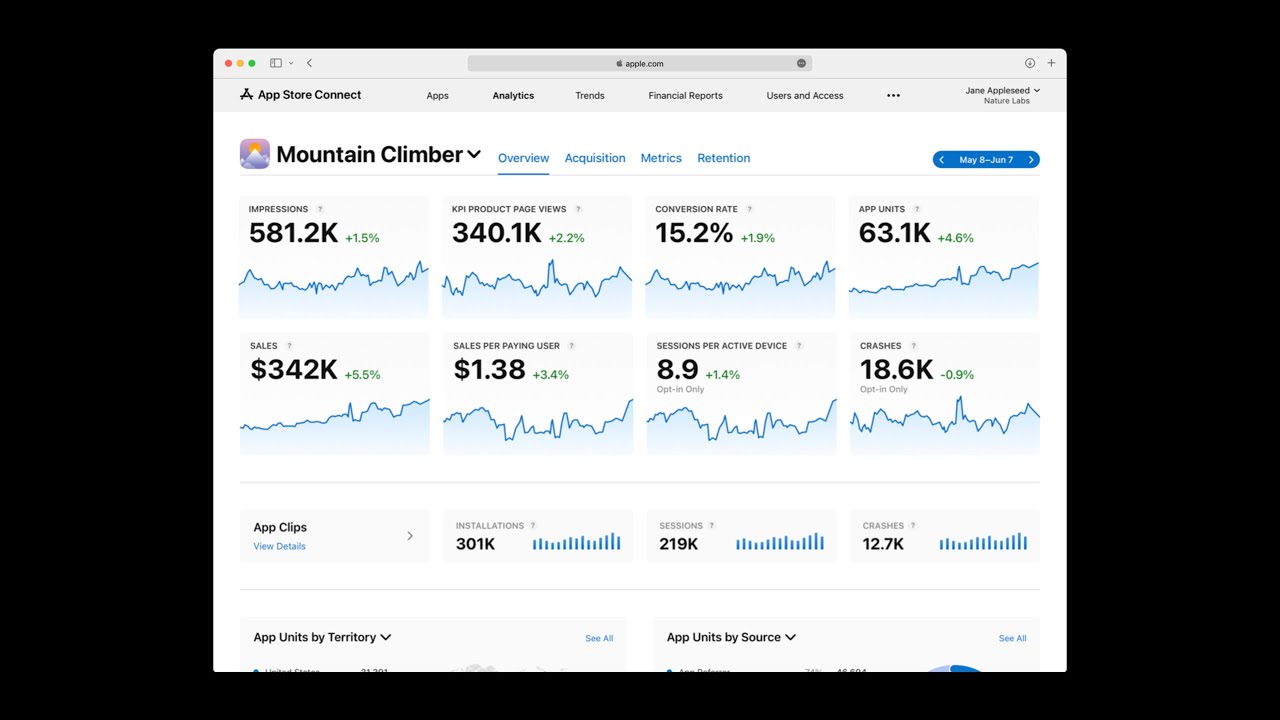
**Apple** has announced over 100 new metrics in App Store Connect, giving developers granular visibility into monetization, subscriptions, and user behavior. The update includes tools for tracking revenue trends, user acquisition costs, and in-app purchase performance. [[~app-store-connect|App Store Connect]] now offers real-time analytics for developers to optimize their apps. [[~developer-tools|Developer tools]] are expanding to include predictive modeling for subscription retention. [[~app-store-policies|App Store policies]] remain unchanged, but the increased transparency could shift power dynamics. [[~monetization-strategies|Monetization strategies]] for indie developers may now be more data-informed. This move aligns with **Apple's** ongoing efforts to balance developer needs with platform control. [[~tech-industry-trends|Tech industry trends]] suggest a growing emphasis on data-driven decision-making in app development.
Key Takeaways
- Apple added over 100 metrics to App Store Connect for deeper monetization insights
- The update includes tools for tracking subscription retention and user acquisition costs
- No changes to App Store policies or commission rates were announced
- Smaller developers may face steeper learning curves to leverage the new tools
- The move aligns with broader tech industry trends toward data-driven development
Balanced Perspective
**Apple** has added over 100 metrics to App Store Connect, focusing on monetization, subscriptions, and user behavior. The update includes tools for tracking revenue trends and in-app purchase performance. [[~app-store-connect|App Store Connect]] now offers real-time analytics, but the exact scope of new metrics isn't fully detailed. [[~developer-tools|Developer tools]] are expanding, though the impact on small developers remains unclear. [[~app-store-policies|App Store policies]] remain unchanged, with no mention of reduced commissions or new revenue-sharing models.
Optimistic View
**Apple's** new metrics could democratize data access for developers, enabling more precise monetization strategies. With tools like subscription retention modeling, indie developers might finally compete with giants. [[~developer-tools|Developer tools]] now include predictive analytics, which could reduce trial-and-error costs. The increased transparency might also pressure **Apple** to address long-standing developer concerns about algorithmic bias in app discovery. [[~app-store-policies|App Store policies]] remain unchanged, but the data empowerment could lead to more informed negotiations.
Critical View
The new metrics may deepen **Apple's** control over developer data, creating new compliance burdens. Smaller developers could face steeper learning curves to leverage the tools. [[~developer-tools|Developer tools]] might prioritize large studios, widening the gap between indie and corporate developers. The lack of policy changes raises questions about whether this update addresses systemic issues like app store fees or discovery algorithms. [[~app-store-policies|App Store policies]] remain unchanged, leaving long-standing concerns unaddressed.
Source
Originally reported by TechCrunch