
Summary
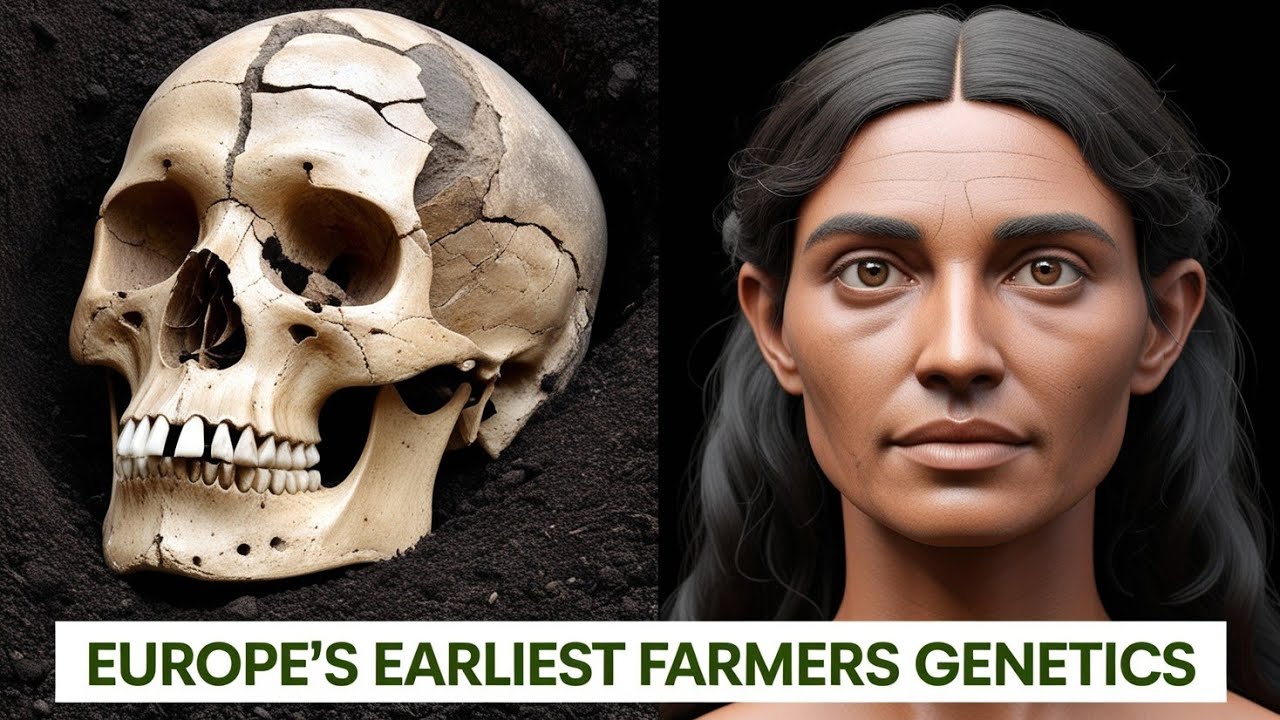
A groundbreaking study, analyzing over 10,000 ancient human genomes, has revealed the profound genetic impact of early farmers on European populations. The research demonstrates that the transition to agriculture was largely driven by the migration of farming communities from Anatolia and the Near East, who interbred with existing hunter-gatherer groups, fundamentally altering the genetic landscape of the continent. This extensive dataset provides unprecedented detail on the timing, routes, and extent of these genetic shifts across Europe.
Key Takeaways
- Over 10,000 ancient human genomes were analyzed, making it the largest study of its kind.
- The spread of agriculture into Europe was primarily driven by the migration of farmers from Anatolia and the Near East.
- These migrating farmers interbred with existing European hunter-gatherer populations, fundamentally changing the genetic makeup of the continent.
- The study provides a highly detailed timeline and geographical map of these genetic shifts across Europe.
- This research offers unprecedented insights into the demographic processes that accompanied the agricultural revolution.
Balanced Perspective
The research, based on an extensive analysis of ancient DNA, confirms that the spread of agriculture into Europe was accompanied by significant population movements and genetic admixture. Farmers from Anatolia and the Near East migrated across the continent, introducing new genetic lineages and agricultural practices. While some hunter-gatherer groups were replaced, others interbred with the newcomers, leading to a mosaic of genetic contributions that shaped modern European populations. The study provides a comprehensive genetic timeline of these interactions.
Optimistic View
This study represents a monumental leap in our understanding of human history, offering an incredibly detailed genetic map of Europe's past. The sheer scale of the data, encompassing over 10,000 genomes, provides an unparalleled resolution to track migrations and interbreeding events, potentially resolving long-standing debates in archaeology and anthropology. This robust genetic evidence can foster a deeper appreciation for the complex, interconnected history of human populations and the transformative power of cultural and technological shifts like agriculture.
Critical View
While the study offers valuable insights, the focus on 'replacement' and 'interbreeding' could be oversimplified, potentially obscuring the nuanced social dynamics and potential conflicts that occurred during the agricultural transition. The narrative, while genetically robust, might inadvertently reinforce a view of history driven solely by migration and genetic dominance, rather than also considering cultural exchange, adaptation, and the agency of indigenous populations. Furthermore, the sheer volume of data, while impressive, requires careful interpretation to avoid deterministic conclusions about identity based on ancient genetic markers.
Source
Originally reported by nature.com