
Summary
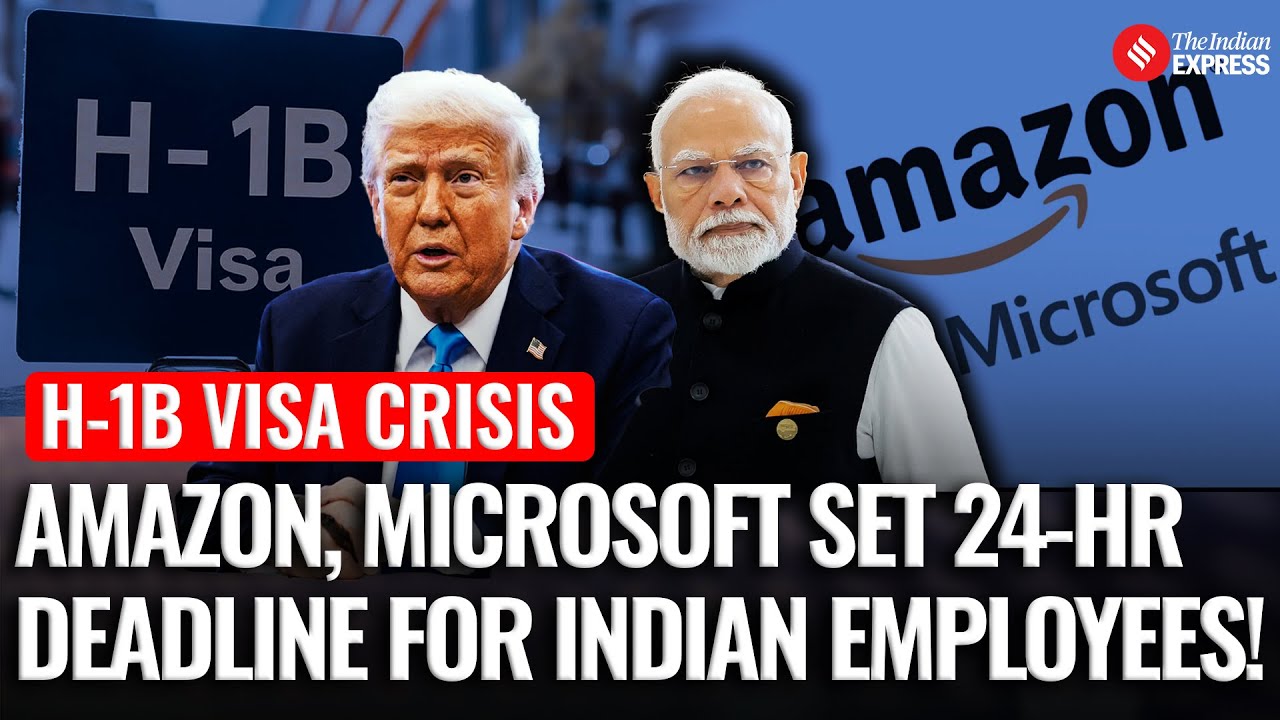
The situation is unfolding rapidly, with the proclamation set to take effect at 12:01 a.m. ET on Sunday. **Karoline Leavitt**, White House press secretary, has stated that **H-1B** visa holders can leave and re-enter the country as they normally would, but the tech companies are advising caution. The move has sparked concerns about the impact on the tech industry, with companies like **Google** and **Microsoft** relying heavily on **H-1B** visa holders for their workforce. For more information on the tech industry, see [[tech-industry|Tech Industry]]. As the situation develops, it remains to be seen how the changes will affect the tech industry and the employees who rely on these visas.
Key Takeaways
- The H-1B visa changes could lead to a brain drain and negatively impact the tech industry
- The fee will only apply to new H-1B visa applicants, not existing holders or renewals
- The tech companies' decision to warn their employees to stay in the US may be seen as a precautionary measure
- The situation is still evolving, and the full impact of the changes is not yet clear
- The changes have significant implications for the tech industry, immigration policies, and the global economy
Balanced Perspective
The situation surrounding the **H-1B** visa changes is complex, with multiple factors at play. While the tech companies' decision to warn their employees to stay in the US may be seen as a precautionary measure, it also highlights the uncertainty and potential disruption caused by the changes. The White House's statement that the fee will only apply to new applicants may provide some clarity, but the impact on the tech industry and **immigration policies** is still uncertain. For more information on **immigration policies**, see [[immigration-policies|Immigration Policies]]. As the situation unfolds, it is essential to consider multiple perspectives and potential outcomes.
Optimistic View
The tech companies' decision to warn their **H-1B** visa-holding employees to stay in the US could be seen as a proactive move to protect their workforce and ensure business continuity. This approach demonstrates the companies' commitment to their employees and their willingness to navigate complex **immigration policies**. With the White House stating that the fee will only apply to new applicants, existing **H-1B** holders may not be directly affected, which could provide some relief to the tech industry. See [[immigration-policies|Immigration Policies]] for more information. However, the situation is still evolving, and the long-term implications of these changes remain to be seen.
Critical View
The **H-1B** visa changes could have significant and far-reaching consequences for the tech industry, particularly for companies like **Amazon**, **Google**, and **Microsoft** that rely heavily on these visas. The $100,000 fee for new applications could lead to a significant increase in costs for these companies, potentially affecting their ability to attract and retain top talent. Furthermore, the uncertainty surrounding the changes could lead to a brain drain, as talented individuals may choose to pursue opportunities in other countries with more favorable **immigration policies**. See [[brain-drain|Brain Drain]] for more information. The tech companies' decision to warn their employees to stay in the US may be seen as a necessary measure, but it also highlights the potential risks and disruptions caused by these changes.
Source
Originally reported by TechCrunch