
Summary
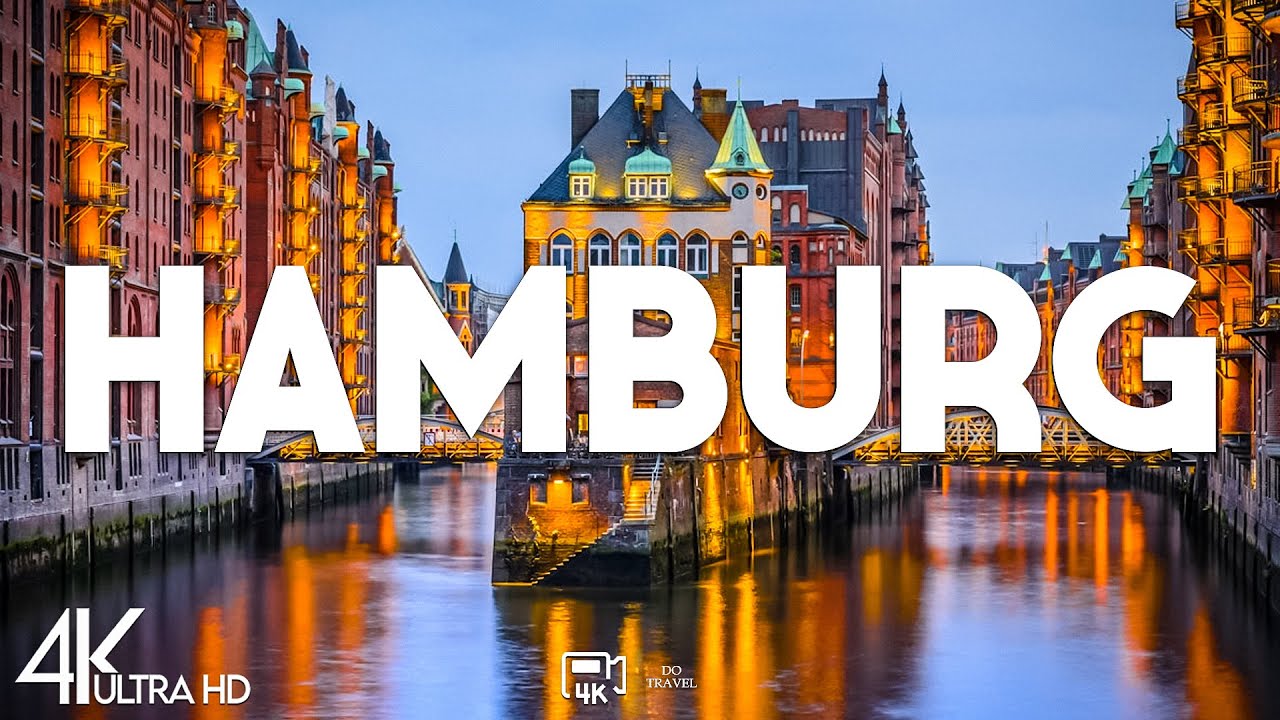
**Hamburg City Hall** (Rathaus) stands on 4,000 oak piles, its 647 rooms costing €80 million to build. The **Port of Hamburg**, Europe's third-largest container port, has operated since 1189. The **Speicherstadt** warehouse complex — a UNESCO World Heritage Site — spans 260,000㎡ and was built after 1,100 homes were demolished. The **Hamburg Fish Market** in St. Pauli has been a hub since the 13th century. [[~hanseatic-league|Hanseatic League]] influence shaped the city's autonomy, while the **Elbe River** remains central to its identity. [[~united-nations-educational-scientific-and-cultural-organization|UNESCO]] recognition highlights Hamburg's global heritage. [[~german-history|German history]] and [[~maritime-trade|maritime trade]] are woven into every stone.
Key Takeaways
- Hamburg's **Speicherstadt** is a UNESCO World Heritage Site spanning 260,000㎡
- The **Port of Hamburg** has operated since 1189 and is Europe's third-largest container port
- Hamburg City Hall's 647 rooms were built at a cost of €80 million between 1886-1897
- The **Hamburg Fish Market** has been a trading hub since the 13th century
- The Hanseatic League's influence shaped Hamburg's autonomy and trade dominance
Balanced Perspective
**Hamburg's historic sites** reflect its 1,000-year history, from medieval trade dominance to modern port infrastructure. The **Speicherstadt**'s 1883 construction was a response to shifting [[~customs-union|customs union]] policies. The **City Hall**'s 1897 opening marked a new era of municipal governance. While the **Port of Hamburg** remains vital, its 2021 status as Europe's third-largest container port underscores its economic importance. [[~united-nations-educational-scientific-and-cultural-organization|UNESCO]] designation in 1997 preserves its architectural legacy.
Optimistic View
**Hamburg's historic sites** are a goldmine for cultural tourism, with the **Speicherstadt** attracting millions yearly. The **City Hall**'s blend of Gothic and Renaissance styles is a masterpiece of 19th-century architecture. The **Port of Hamburg**'s strategic location on the **Elbe River** made it a cornerstone of [[~hanseatic-league|Hanseatic League]] commerce. UNESCO status ensures these sites are preserved for future generations. [[~united-nations-educational-scientific-and-cultural-organization|UNESCO]] recognition boosts Hamburg's global profile as a cultural hub.
Critical View
**Hamburg's historic sites** face threats from urban development and climate change. The **Speicherstadt**'s 19th-century warehouses risk obsolescence in a digital economy. The **Port of Hamburg**'s expansion could erode its historical character. [[~hanseatic-league|Hanseatic League]] autonomy is a fading memory, replaced by [[~german-unification|German unification]] in 1871. Over-tourism risks damaging the **City Hall**'s delicate architecture. [[~united-nations-educational-scientific-and-cultural-organization|UNESCO]] status offers protection but doesn't guarantee preservation.
Source
Originally reported by historyhit.com